Pumps & Valves
Borewell Submersible Pump
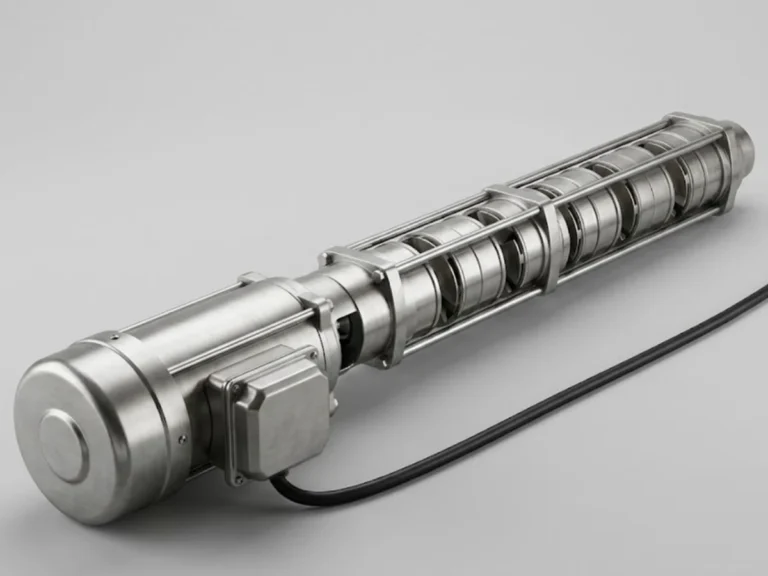
Multistage submersible pumps built to run inside narrow borewells for deep-water lifting.
On request- StandardIS 8034 (submersible pumpsets)
Submersible
Download specification sheet (PDF)
Pumps in chemical-resistant materials for transferring acids, alkalis, solvents and other aggressive liquids.
Every field is optional - tell us what you know and we will confirm the rest in the quotation.
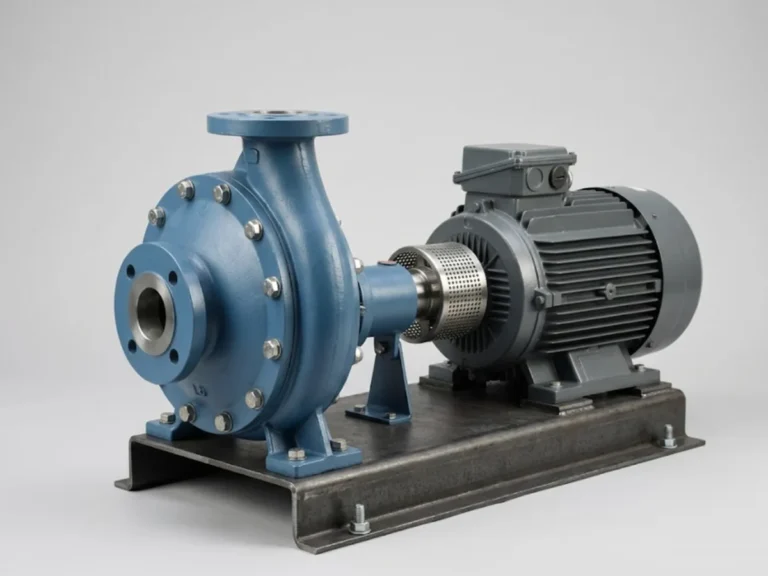
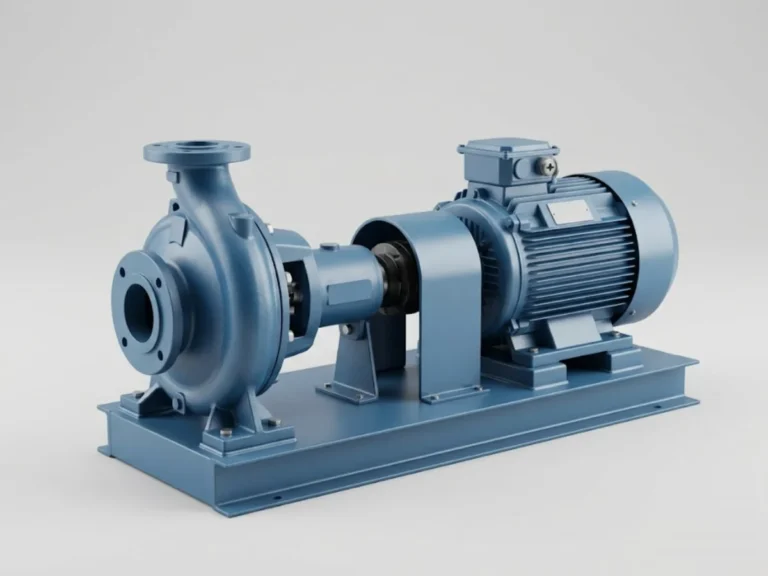
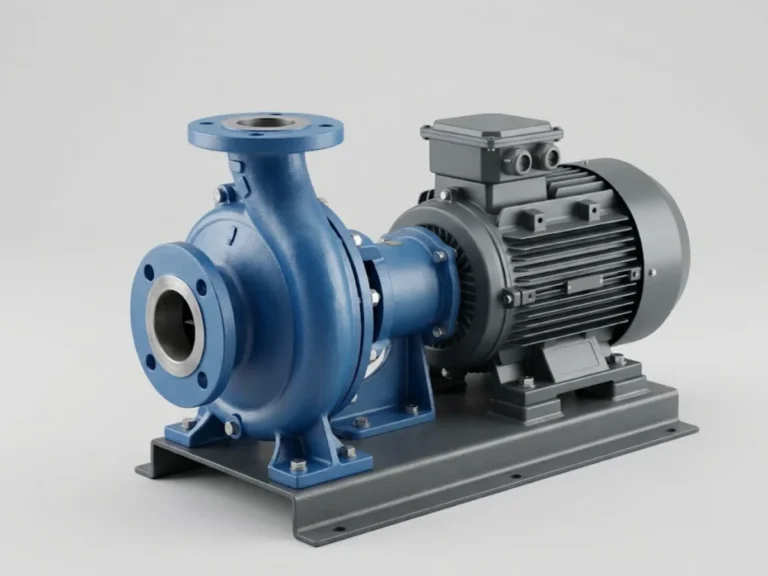
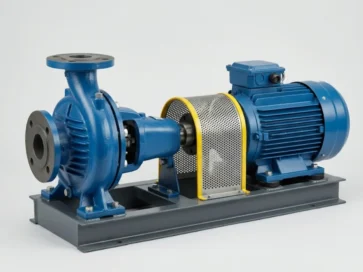
Representative image. The actual product, make and appearance depend on the supplier and your specification.
Also searched as: chemical process pump, acid transfer pump, alkali pump, chemical transfer pump, corrosion resistant pump, chemical duty pump
Name the chemical, but also give its concentration and temperature. A material that handles dilute acid at room temperature may fail in the strong acid at 60 degrees C, so the wetted-parts choice (metallic, lined or plastic) comes from a compatibility check, not from the chemical name alone.
Check the safety data sheet, flange and gasket compatibility, and drain and flushing provision before commissioning. For process duties with milder liquids, compare with the KPD end-suction process pump; for tank-side isolation see valves. Hazardous fluids should be reviewed by a qualified process engineer.
Ratings, dimensions and certification are confirmed against your enquiry. Use Send an enquiry and our engineers will respond within 24 hours.
Only if every wetted part, including seals and gaskets, is compatible with all of them at their actual concentrations and temperatures. Mixed duties often force a compromise material. Share the full list of fluids and we will advise whether a single pump is realistic or separate units are safer.
Magnetic-drive pumps remove the shaft seal, a common leak point, which suits toxic or hazardous liquids. They dislike dry running and abrasive solids. A mechanical seal tolerates more duties and is easier to service, but needs correct face materials and often a flush. Choose by the fluid and the leak risk you can accept.
Pump power is proportional to the density of the liquid pumped. If your fluid is heavier than water, the same flow and head need more kW. Giving the specific gravity and viscosity lets the motor be sized correctly instead of tripping on overload.
A chemical pump transfers aggressive liquids such as acids, alkalis and solvents. It is built in chemical-resistant materials so the wetted parts are not attacked by the liquid being handled.
Common types are centrifugal process pumps, magnetic drive pumps, diaphragm pumps and dosing pumps. The chemical process pumps in this range are horizontal and driven by an electric motor, coupled or monoblock, and suit acids, alkalis and solvents.
Give the chemical name and concentration, temperature, flow, head and any solids. The material of construction and shaft seal are chosen from the chemical, because a wrong material can fail quickly.
Send the liquid and concentration, temperature, flow, total head, specific gravity, viscosity, power supply and preferred materials. Quotations are prepared from the details you send, so share your requirement and SKE Bharat will respond within 24 hours.
| Pump Type | Chemical process |
|---|---|
| Standard | ISO 2858 / ISO 5199 (typical) |
| Typical Service | Acids, alkalis, solvents |
| Orientation | Horizontal |
| Drive | Electric motor (coupled or monoblock) |
Multistage submersible pumps built to run inside narrow borewells for deep-water lifting.
On requestGeneral-purpose centrifugal pumps for transferring clean water and light liquids in industry and buildings.
On requestEnd-suction centrifugal pumps of the CE series for water supply and process duties.
On requestEnd-suction centrifugal pumps of the CPHM series for water transfer and general service.
On requestHow gate, globe and non-return valves differ, where each belongs on a pump line, and how to choose size, rating and type to avoid water hammer…
7 min readPumps, Cables & Buying GuidesA practical method to select a centrifugal pump: define flow and total head, check NPSH, pick materials and seals, then size the motor.
7 min read