Battery Chargers & DC Power Supplies
Battery Chargers & DC Power Supplies
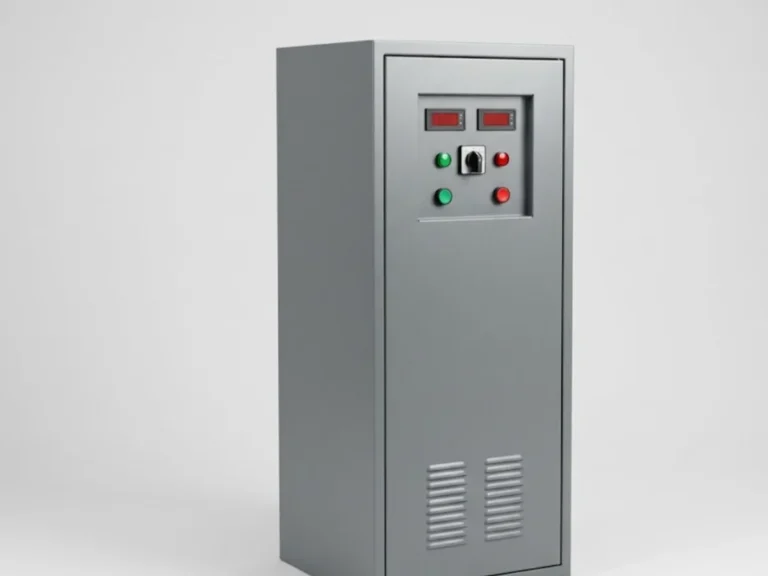
Float-and-boost chargers and DC power supplies for stationary battery banks.
On request- StandardIEC 62040-3 (UPS), IEC 61204 (power supplies)
 Batteries in association with MARC Traders
Home inverter, solar, industrial, telecom and lithium-ion batteries from leading brands, with chargers and racks.
Float-and-boost chargers and DC power supplies for stationary battery banks.
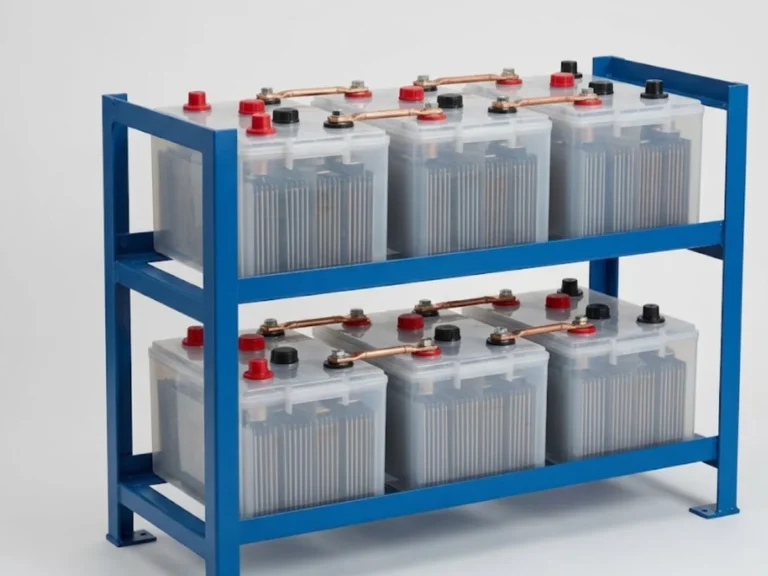
On requestRacks, stands and interconnecting cables for battery banks.
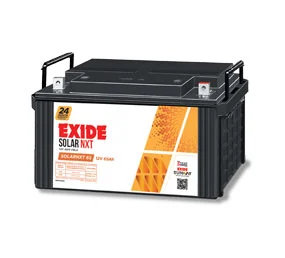
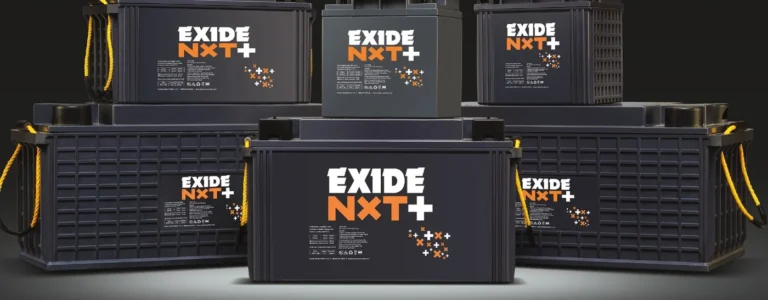
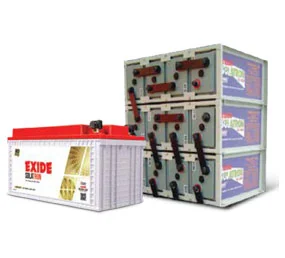
On requestSealed, maintenance-free AGM VRLA solar batteries (12 V monoblocs and 2 V cells) built for cyclic duty and...
On requestLonger-life version of the 6EL range with low-antimony alloy and ceramic vent plugs, stated float life beyond 5...
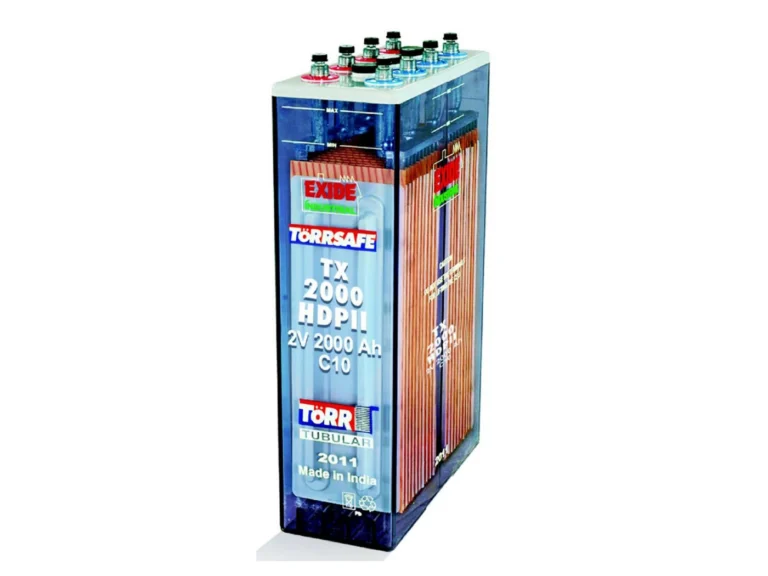
On request12 V flooded tubular monoblocs made with Exide's high-pressure (100 bar) Torr tubular spine casting for UPS, telecom...
On requestTubular gel VRLA 2 V cells in stackable 8 V modules for telecom BTS on-grid and off-grid sites;...
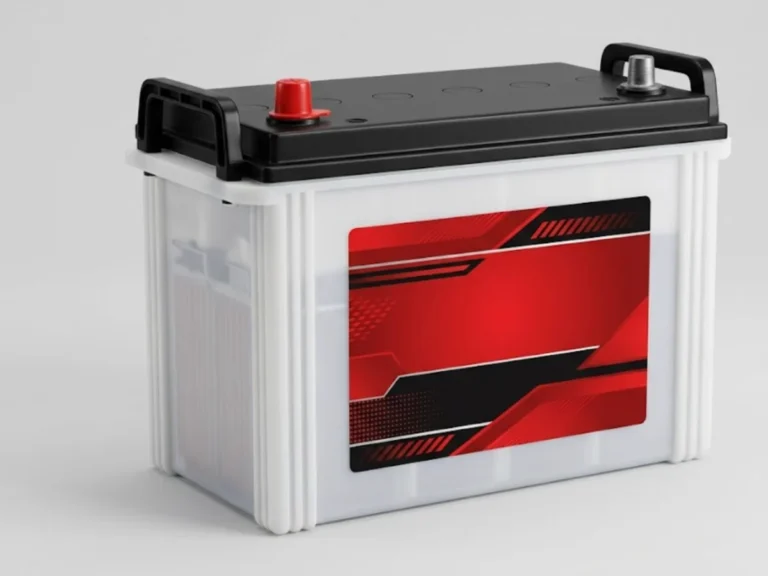
On requestMaintenance-free calcium-calcium starter batteries sized for different genset ratings.
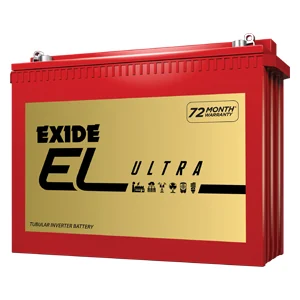
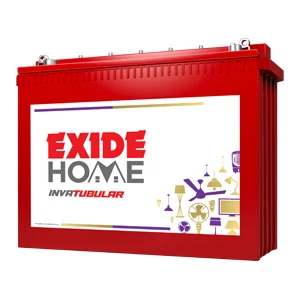
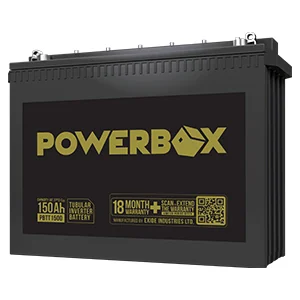
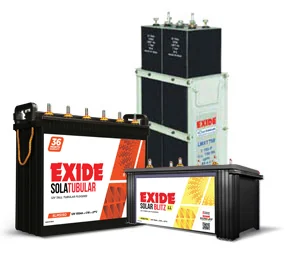
On requestLow-maintenance tubular inverter battery with PLEX technology and fast recharge, rated for up to 800 cycles at 80%...
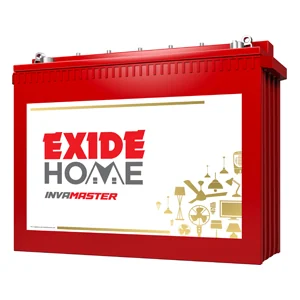
On requestStandard-range tubular inverter battery for everyday home backup, built for deep discharge with up to 1,000 cycles at...
On requestPremium tubular range with thicker plates and extra electrolyte per Ah, rated for up to 1,200 cycles at...
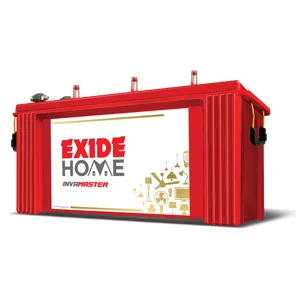
On requestCompact short-container versions of the InvaMaster deep-discharge tubular battery, for places where a tall battery will not fit.
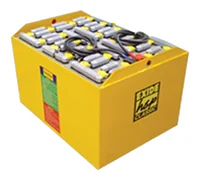
On requestTraction batteries for electric forklifts, golf carts, mining locomotives and electric vehicles: HSP Classic and Gen-X flooded ranges,...
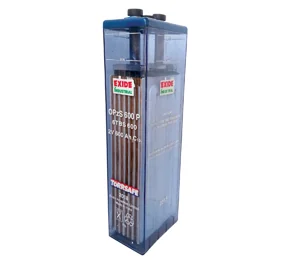
On requestLow-maintenance tubular cells in PP / transparent SAN containers for power, substation and UPS standby duty.
On requestPlante-type 2 V standby cells in transparent SAN containers (99.99% pure lead positive plate) with service life above...
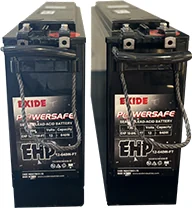
On requestFront-access, high-power-density AGM VRLA batteries for 19-inch and 23-inch rack or cabinet installation in data centres.
On requestTop-terminal extra-high-power-density AGM VRLA batteries for data-centre UPS strings.
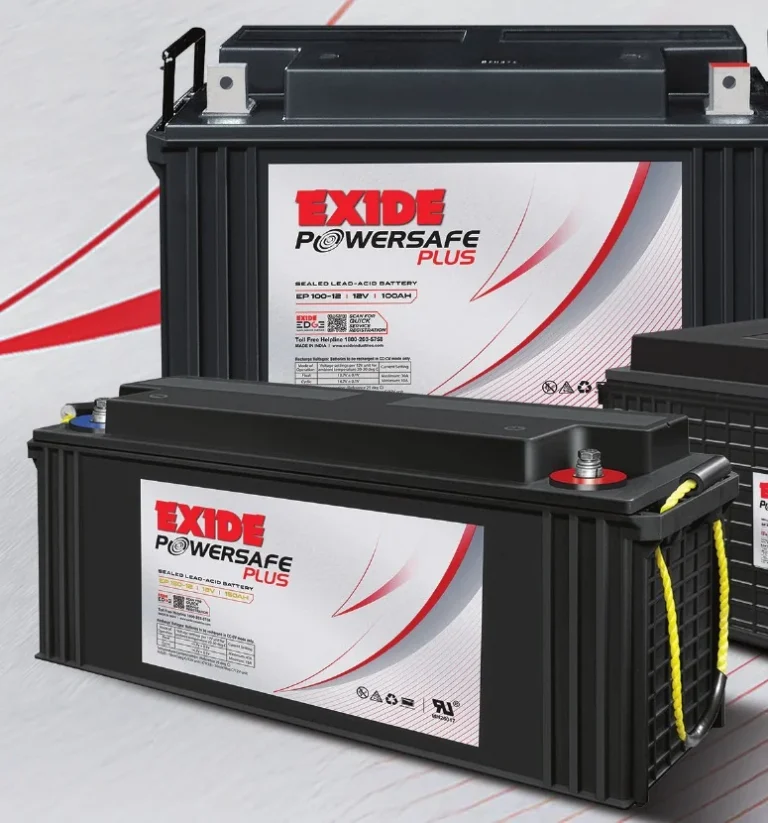
On requestSealed maintenance-free AGM VRLA batteries for UPS and power applications, 12 V in a wide capacity range.
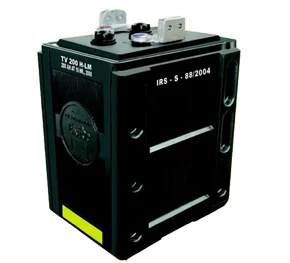
On requestBatteries approved by RDSO for Indian Railways: low-maintenance tubular signalling cells, LMX and MET1100 VRLA for coach lighting/AC,...
On requestHigh cycle-life 12 V flooded tubular solar battery for off-grid storage.
On requestMaintenance-free tubular gel VRLA solar batteries in 12 V monoblocs and 2 V cells assembled in modules.
On requestLow-maintenance flooded tubular 12 V monoblocs for regular deep-cycle solar duty, factory filled and charged.
On requestLow-maintenance flooded tubular 2 V cells (300-1000 Ah) for larger off-grid and hybrid solar plants.
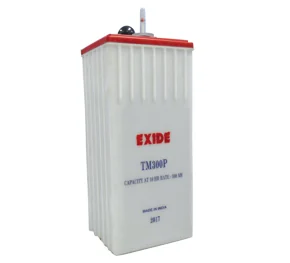
On requestTransparent-container tubular 2 V standby cells with about 15-year service life for power plants, substations, telecom and UPS;...
On requestAntimony-free AGM VRLA 2 V cells for telecom exchanges and towers, 200-6000 Ah, 20-year design life at 27...
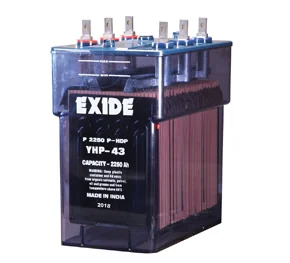
On requestHigh-discharge tubular cells in transparent SAN containers, 100-2200 Ah, about 15-year float life.
On requestNickel-cadmium batteries for harsh environments and long, dependable standby service.
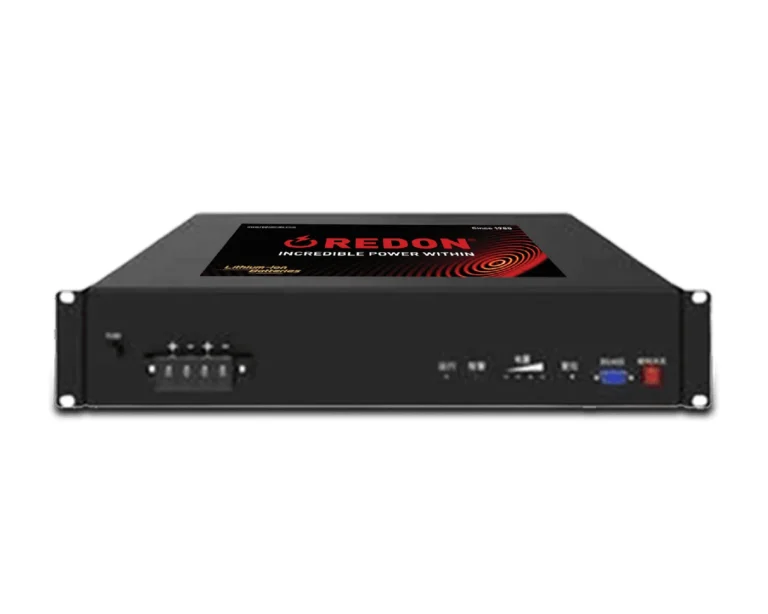
On requestRack-mount 48 V LiFePO4 modules for telecom towers, remote sites, data nodes and UPS setups
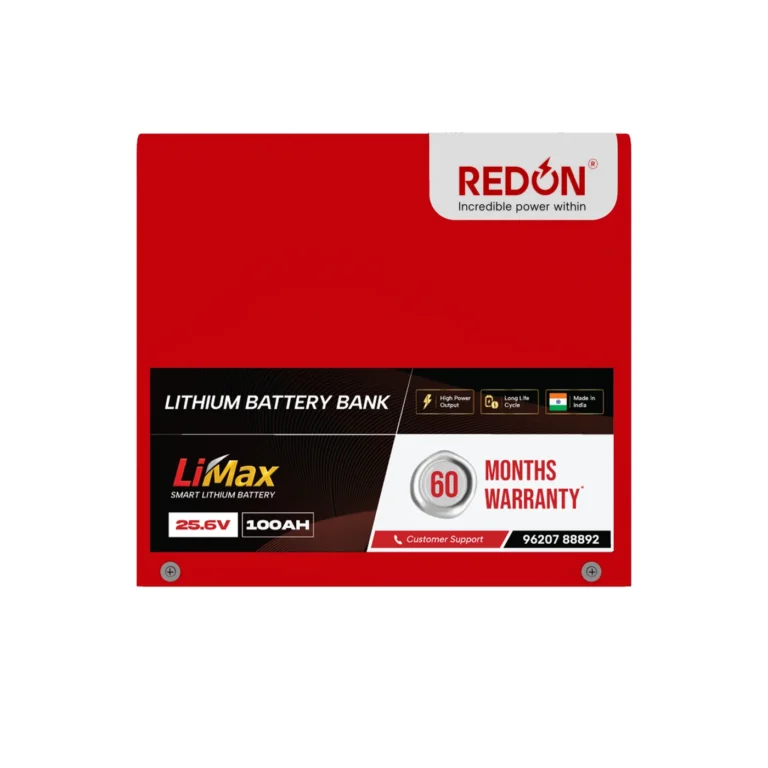
On requestWall-mountable LiFePO4 battery banks that replace lead-acid batteries behind any inverter, in voltages from 12.8 V to 120...
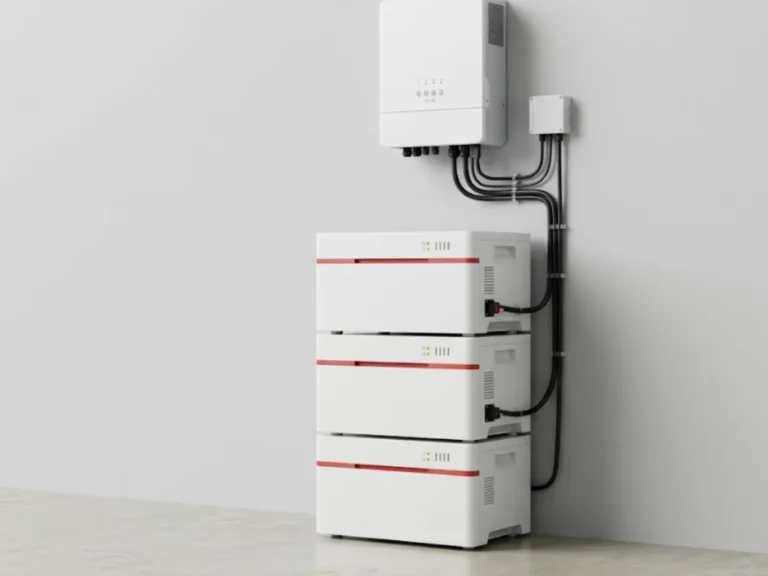
On requestFloor-standing modular LiFePO4 battery stacks built from 51.2 V / 100 Ah / 5.12 kWh modules, scalable from...
On requestSmall 12.8 V lithium-ion packs for street lights, solar fans and residential panels; the website lists five sizes...
On requestNo products match your filters. or ask our engineers.
This range covers batteries for backup and storage across homes, offices, telecom sites, data centres, solar plants, railways and industry. It is organised by use: home inverter batteries, industrial and standby batteries, solar storage batteries, lithium-ion batteries and chargers and accessories. Selected lead-acid ranges are from Exide and selected lithium ranges are from Redon.
The first decision is chemistry. Flooded tubular lead-acid cells are the traditional choice for long life at the lowest cost per Ah, but they need regular water topping and a ventilated room. VRLA batteries, in AGM or gel form, are sealed and need no topping, so they suit telecom shelters, UPS rooms and data centres. Lithium iron phosphate batteries cost more upfront, but they are lighter, accept deeper discharge and give far more cycles, which can lower the cost per cycle on daily-cycling solar or telecom duty.
Points to settle for any battery enquiry:
To estimate Ah for a given load and backup time, use the battery backup calculator. Capacity falls with temperature and with faster discharge, so a qualified engineer should confirm the final sizing for critical systems.
Flooded lead-acid batteries have liquid electrolyte and need periodic topping up with distilled water. VRLA batteries are sealed with the electrolyte absorbed in glass mat (AGM) or gel, so they need no topping. Lithium iron phosphate batteries use a different chemistry with a battery management system, giving higher usable capacity, lower weight and more cycles at a higher purchase cost.
Multiply battery voltage by Ah to get watt-hours, apply the usable fraction (depth of discharge) and inverter efficiency, then divide by load in watts. A 12 V 150 Ah battery stores 1800 Wh; at 50 percent usable and 85 percent inverter efficiency it supplies about 765 Wh, or around 1.5 hours for a 500 W load.
It states the Ah capacity when the battery is discharged over 10 or 20 hours down to a set end voltage. Discharging faster gives less Ah, so a battery rated 150 Ah at C20 delivers less than that at a 5-hour rate. Compare batteries at the same rate and check the discharge table for your backup time.
IS 1651 covers stationary lead-acid cells with Plante positive plates, IS 1652 covers stationary lead-acid cells with tubular positive plates, and IS 15549 covers stationary VRLA batteries. Industrial lithium batteries may be assessed against IEC 62619. The required standard is normally named in the project or tender specification, so confirm it before ordering.
Life depends on type, depth of discharge, temperature, charging quality and maintenance. Heat shortens lead-acid life significantly, and chronic undercharging or deep discharge causes sulphation. Cycle life and design life are stated in the battery datasheet at specified conditions. Treat those figures as indicative and follow the charger settings and maintenance schedule.
Battery life is mostly decided by habits, not luck. A checklist of the routine checks, charging settings and storage practice that keep inverter and industrial batteries…
6 min readBatteries, Inverters & UPSHow tall tubular, flat plate and SMF batteries differ in construction, life, upkeep and cost, and which one fits your inverter and the power cuts you…
6 min read