Cable Cutting & Stripping Tools
Cable Cutting & Stripping Tools
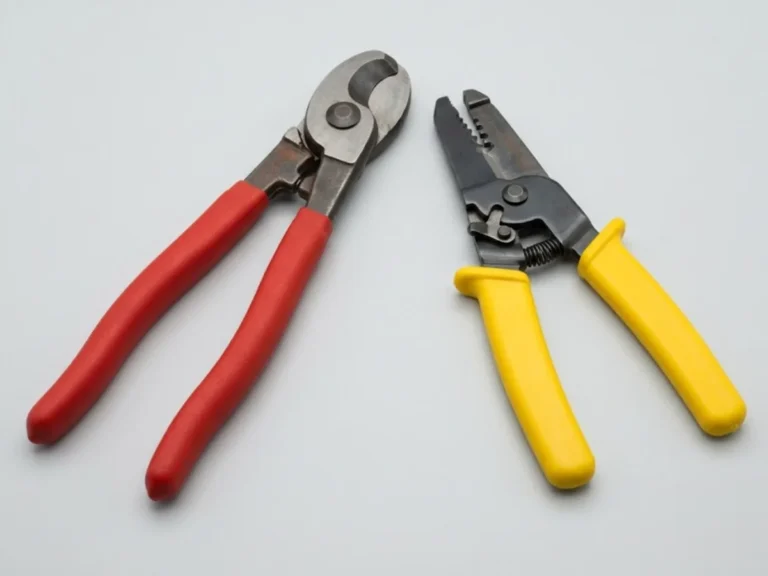
Cutters and strippers for cutting cable and removing insulation cleanly without damaging the conductor.
On request- StandardIEC 60900 where insulated
Insulated
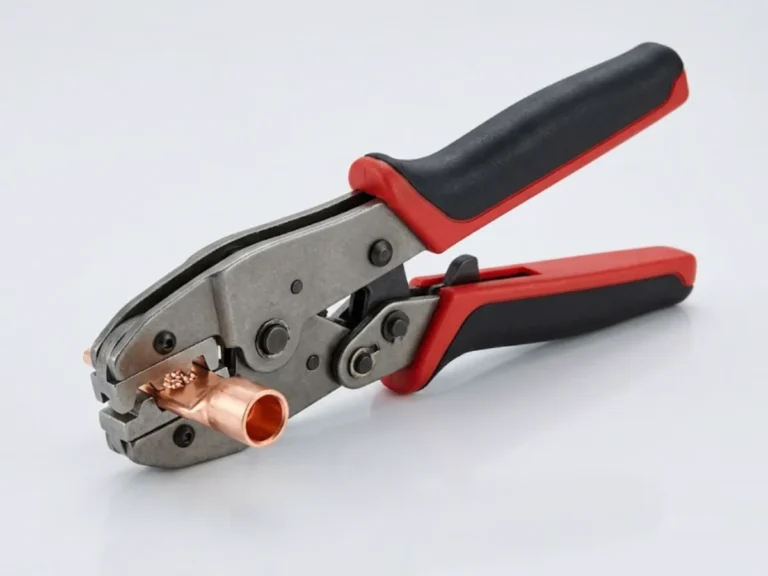
Crimping, cutting and stripping tools.
Cutters and strippers for cutting cable and removing insulation cleanly without damaging the conductor.
On requestHand and hydraulic crimping tools for fitting lugs, ferrules and connectors to cables.
On requestNo products match your filters. or ask our engineers.
Good tools decide the quality of every joint in a panel or cable run. This range covers cable cutting and stripping tools and crimping and termination tools, used by electricians, panel wiring teams, maintenance technicians and cable jointing crews.
Cutting and stripping tools range from hand shears and ratchet cutters for copper and aluminium cable, to precision strippers that remove insulation without nicking the strands. Nicked strands reduce the cross-section and run hot. For control wiring, an adjustable wire stripper or a self-adjusting type gives repeatable results. Crimping tools vary from small ratchet tools for ferrules and pin lugs to mechanical and hydraulic crimpers for heavy power cable lugs. A ratchet that does not release until the full crimp cycle is complete prevents a half-crimped joint, which is a common cause of a hot connection.
Selection pointers:
Use tools with the matching cable lugs and glands, and pair them with insulated hand gloves for live working. Choose cable and lug sizes with the motor current and cable calculator.
Match the tool to the lug type, conductor size range and crimp profile specified by the lug maker. Small control wiring uses ratchet crimpers, while power cable lugs from about 16 to 300 square mm are usually crimped with hydraulic or mechanical heavy-duty tools and matching dies. Always use the die size marked for the cable.
A mechanical tool uses lever action and operator force, which suits smaller lugs and light use. A hydraulic tool uses a pump to apply high force with much less effort, so it is used for large conductors and when many crimps are needed. Hydraulic tools have defined dies, and some have a pressure release to ensure a full crimp.
A ratchet mechanism does not release until the crimp is complete, so every crimp has the same force. This prevents under-crimped joints that overheat. Check that the ratchet is calibrated and not worn, as a worn ratchet gives inconsistent results. Many tools include a calibration or release adjustment.
Use a stripper set to the conductor size, or a self-adjusting stripper, and cut only the insulation. For armoured and large cables, use the correct cable knife or ring-cut tool and follow the termination kit instructions. Nicks and cut strands increase resistance and are weak points for breakage or heating.
Tools marked and tested to IEC 60900 provide insulation for working on or near live parts up to 1000 V AC, when undamaged and used correctly. Inspect them before each use for cracks and damage, and never rely on tools alone. Live work should only be done by trained persons following the safe working procedure of the site.