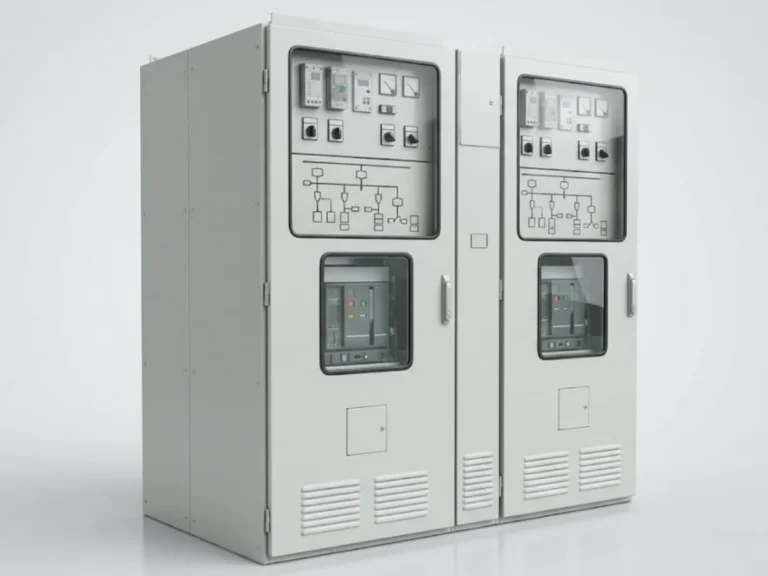
Switchgear Panels
17.5 to 33 KV HT Panels
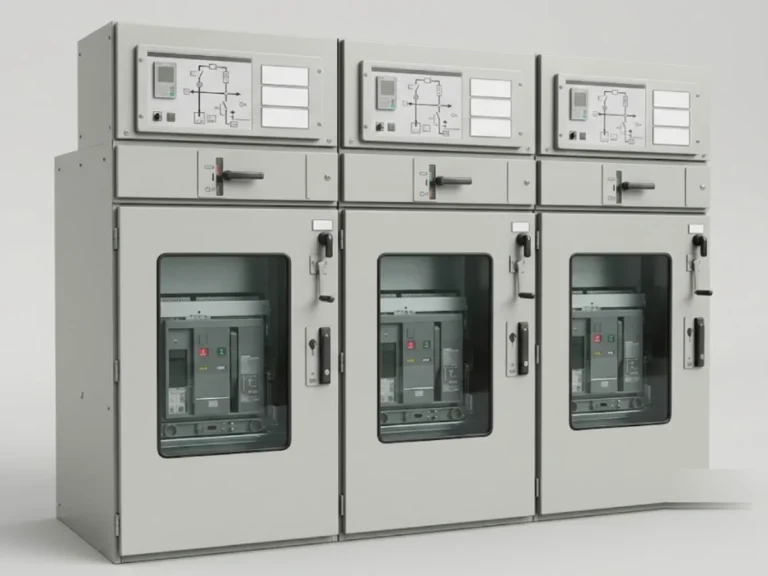
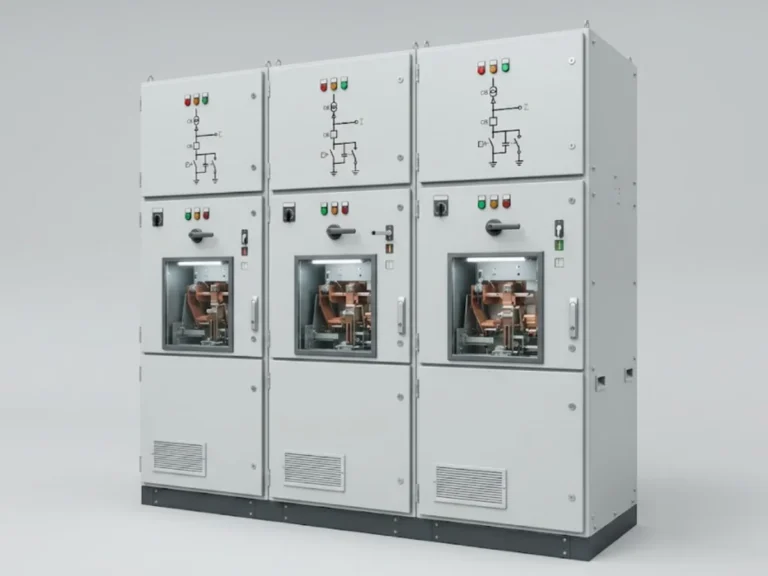
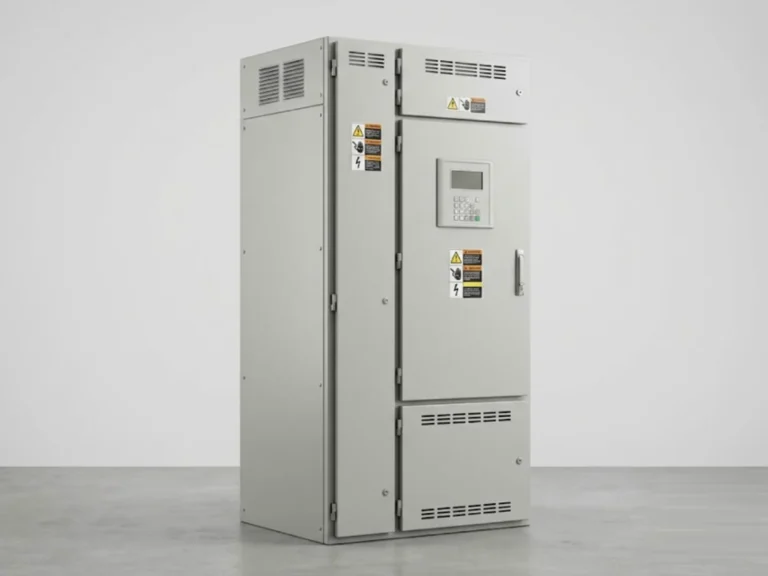
Indoor HT switchgear panels for 17.5 kV to 33 kV class distribution.
On request- StandardIEC 62271-200
- Voltage Class17.5 kV - 33 kV
Made to Order
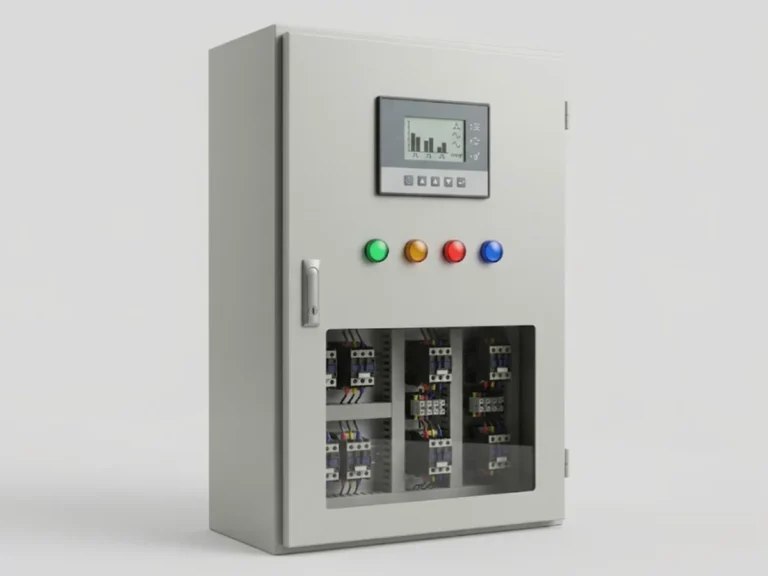
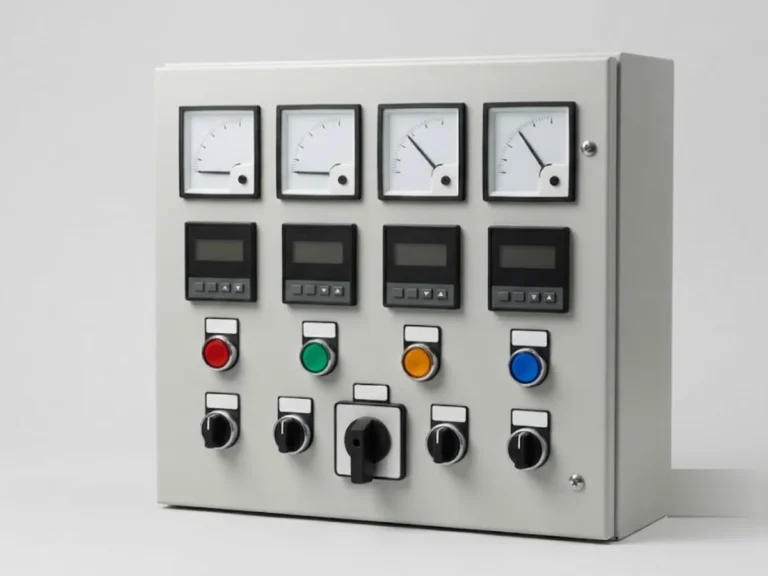
PCC, MCC, APFC, AMF and distribution panels engineered to IEC 61439.
Indoor HT switchgear panels for 17.5 kV to 33 kV class distribution.
On requestMetal-enclosed medium-voltage switchgear for motor starting and distribution from 3.3 kV to 11 kV.
On requestAuto Mains Failure panels that start the generator and transfer the load automatically when mains power fails.
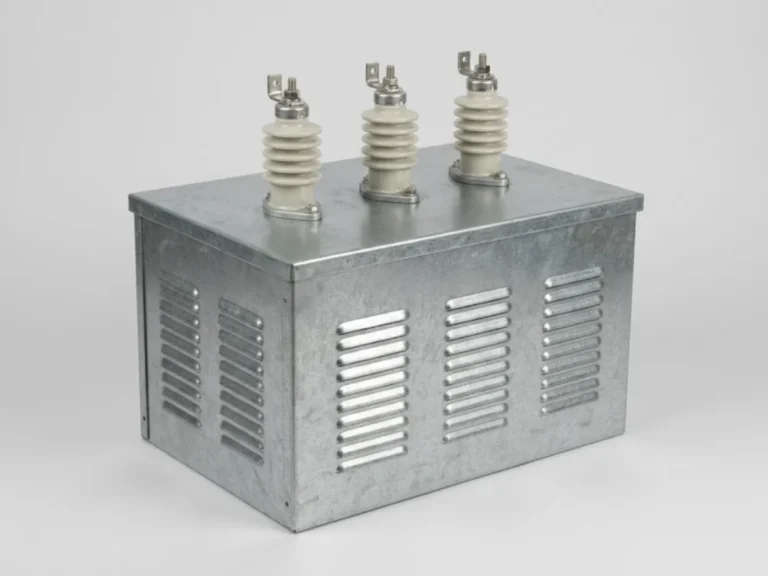
On requestAutomatic Power Factor Correction panels that switch capacitor banks to hold power factor near unity and avoid utility...
On requestPanels that transfer the load between two sources automatically with electrical and mechanical interlocking.
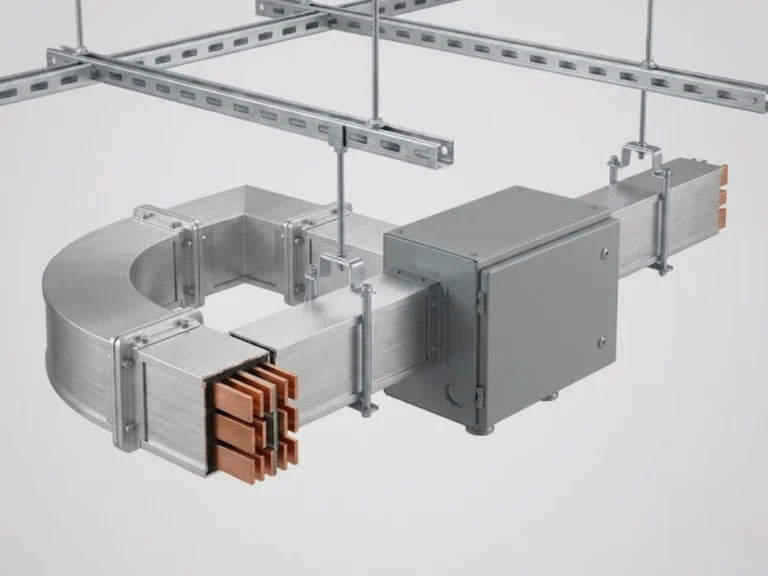
On requestSandwich and air-insulated busway systems carrying heavy current between transformers and panels with low losses.
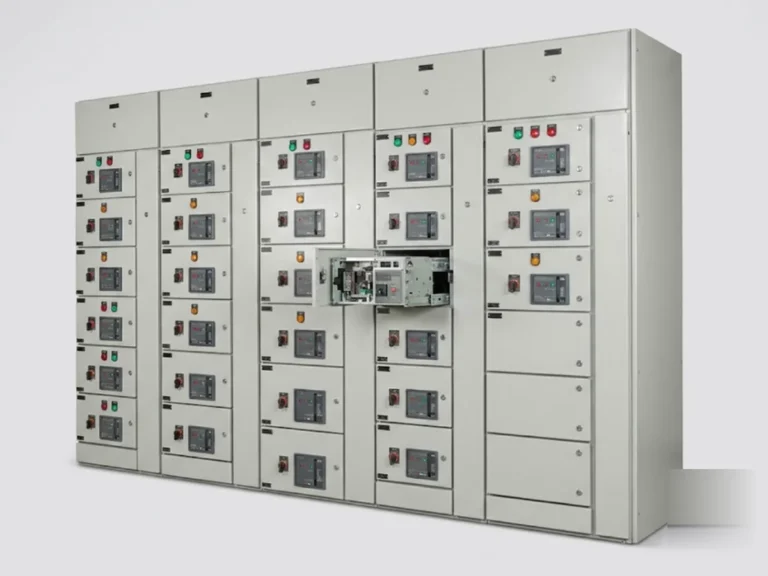
On requestMotor control centres with withdrawable feeder modules for fast replacement without shutting down the bus.
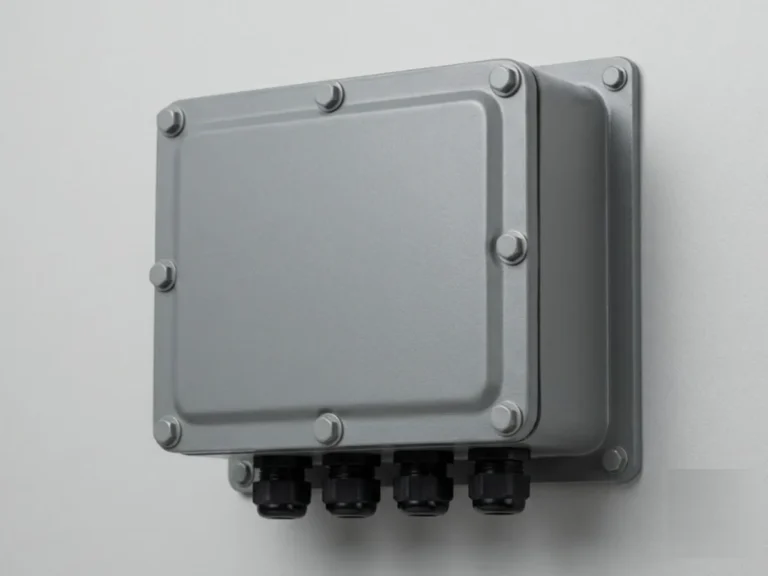
On requestEnclosures for cable terminations, branching and instrument signals in plant and field installations.
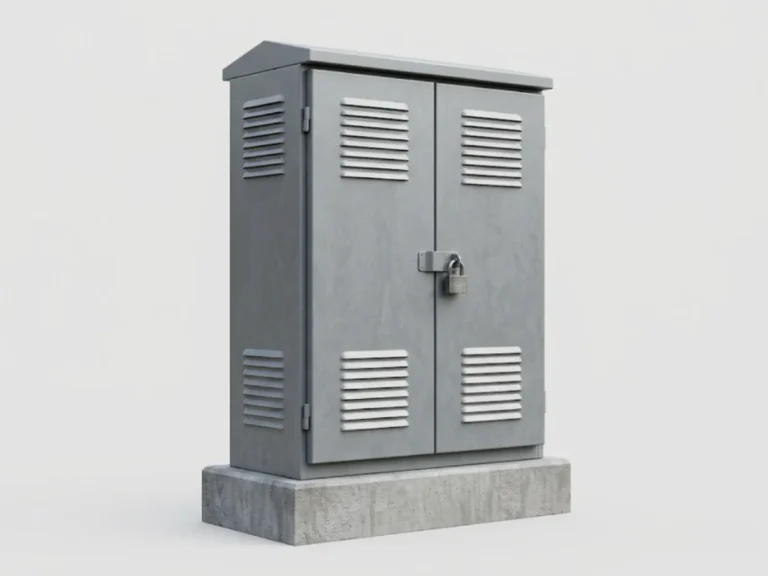
On requestOutdoor distribution pillars that branch cable feeders from a supply point to loads.
On requestNetworked motor control centres with intelligent relays and communication for monitoring and automation.
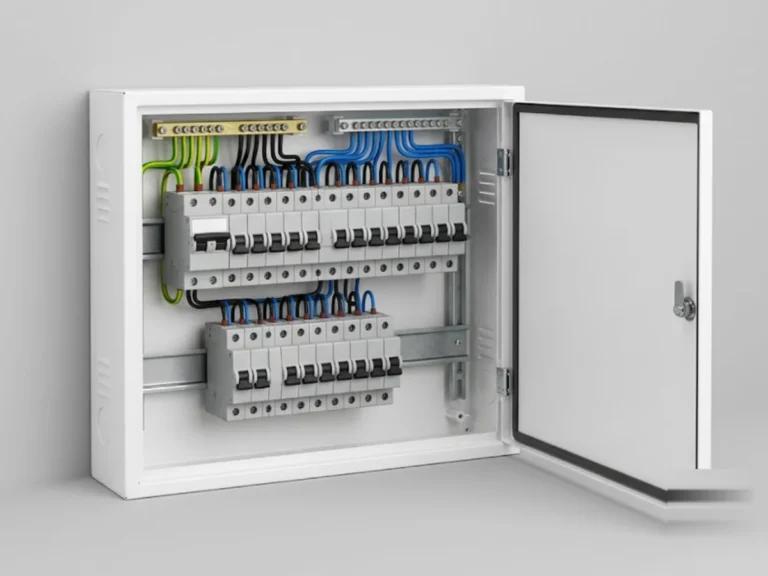
On requestDistribution boards that feed and protect lighting and small-power circuits.
On requestGeneral low-voltage switchboards for incoming, bus-coupler and outgoing feeders.
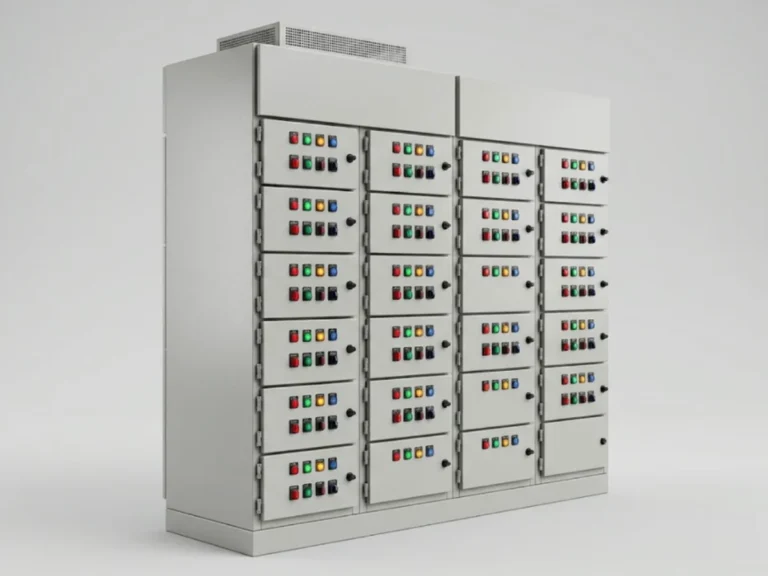
On requestFixed-type motor control centres that group starters for several motors in one assembly.
On requestMedium-voltage switchgear for plant incomers, feeders and HV motors.
On requestMedium-voltage solid-state soft starters for smooth acceleration of large HV motors.
On requestPanels housing energy meters, CTs and test blocks for tariff and sub-metering.
On requestResistor panels that limit earth-fault current at the transformer or generator neutral.
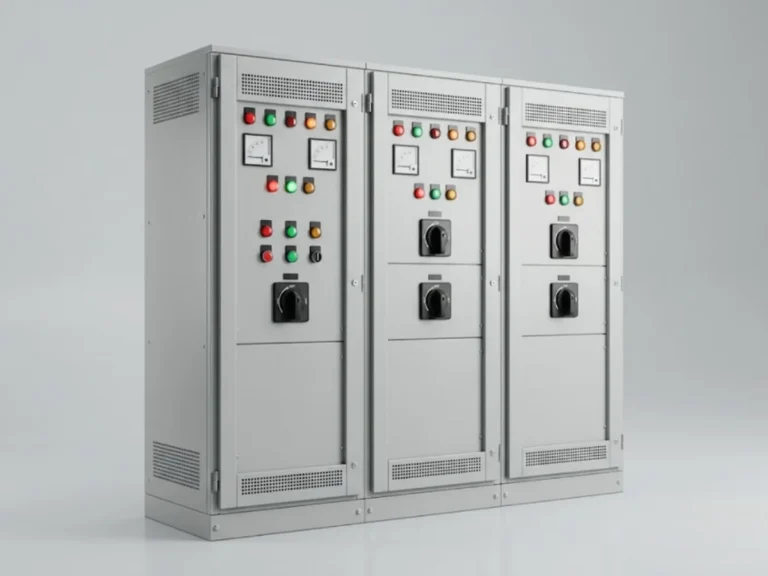
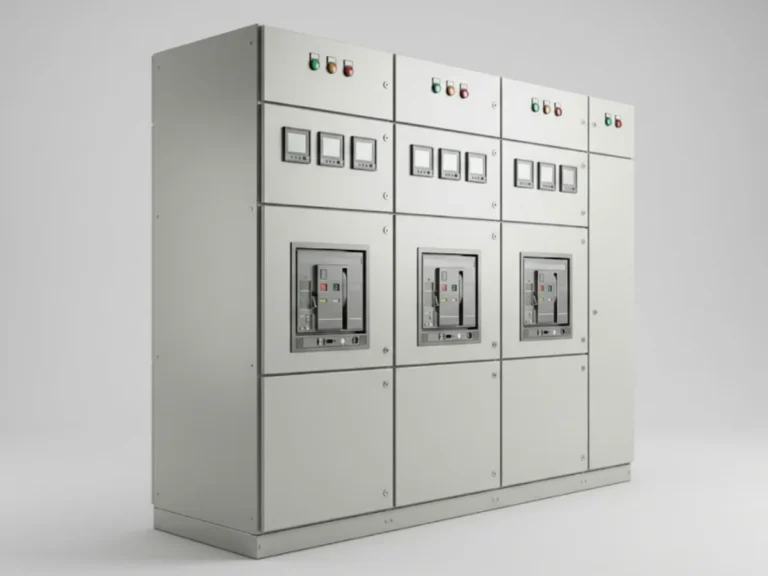
On requestPower control centres - the main LV switchboard fed from the transformer, distributing power to MCCs and large...
On requestDistribution boards for sub-distribution of power to machines and sections.
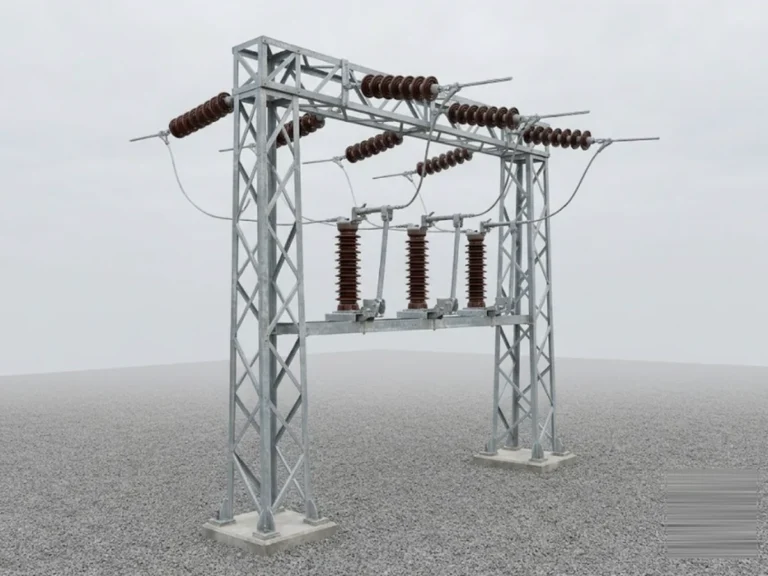
On requestAuxiliary equipment for substations: isolators, CTs, PTs, LAs, earthing and control items.
On requestPanels that match voltage, frequency and phase so generators or sources can be paralleled safely.
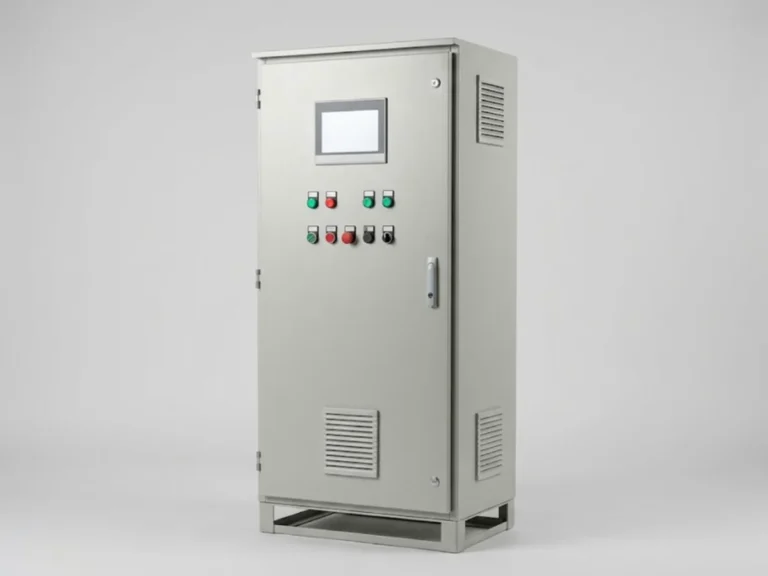
On requestPanels housing variable-frequency drives or soft starters with the associated protection and control.
On requestNo products match your filters. or ask our engineers.
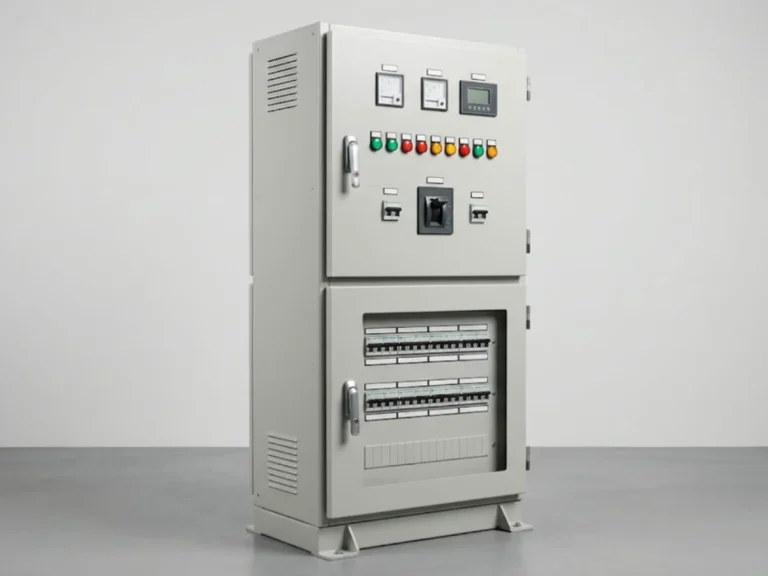
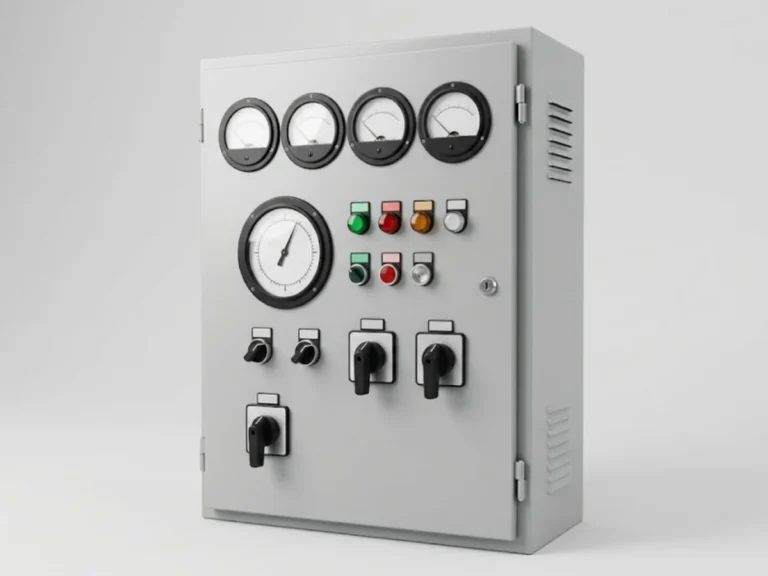
This range covers the panels that receive, distribute and control power in a plant or substation. At the low-voltage end are PCC panels for incomers and main distribution, MCC panels for motor feeders, APFC panels for power factor correction and AMF panels for generator changeover, along with distribution boards, feeder pillars, bus duct and VFD or soft starter panels. Medium-voltage and HT switchgear is listed under medium voltage panels, spanning 3.3 to 33 kV.
The useful way to specify a panel is from the single line diagram, not from a generic list. The incomer rating, busbar current, fault level and the form of internal separation decide the cost and the safety of maintenance far more than the cabinet size. Draw-out construction lets a faulty feeder be removed without shutting down the whole board, which matters in continuous process plants; fixed construction is cheaper and adequate for simple distribution.
Send these details with your enquiry:
Low-voltage assemblies are normally designed to IS 8623 or IEC 61439, and metal-enclosed medium-voltage switchgear to IS 3427 or IEC 62271-200. Ask for the drawings and design verification documents that apply to your project. The matching breakers, contactors and relays are under switchgear components.
A power control centre receives power from the transformer or generator and distributes it to large feeders and sub-distribution boards, usually through ACBs and MCCBs. A motor control centre sits downstream and groups the starters, contactors and protection for many motors. Put simply, PCC distributes power and MCC controls motors.
In a fixed panel the feeder devices are bolted in place, so any maintenance means isolating that section. In a draw-out panel each module or breaker can be withdrawn on guides to a test or isolated position, making replacement quick and safer. Draw-out costs more, so it is chosen for critical feeders and continuous processes.
Low-voltage switchgear and controlgear assemblies follow the IS/IEC 61439 series in India; older designs were built to IS 8623, which was based on IEC 60439. The standard covers temperature rise, short-circuit withstand, clearances and verification. For individual devices inside the panel, such as breakers and contactors, IS/IEC 60947 applies. Ask the supplier which documents support the design verification.
Form of separation, from Form 1 to Form 4, describes how busbars, functional units and terminals are separated by barriers inside the panel. Higher forms limit the spread of an internal arc or contact during maintenance on one unit. Form 3 or 4 is common on MCCs where live maintenance risk matters, but the choice depends on the project specification.
Add the connected load with diversity, allow for planned growth, and choose a standard busbar rating above the maximum demand, at the ambient temperature and enclosure ventilation of the site. The busbar must also withstand the prospective short-circuit current for the specified time. A qualified panel designer should confirm the rating against the single line diagram.
What a compact or packaged substation contains, how it differs from a conventional civil substation, when it makes sense and what to specify before you order.
6 min readTransformers & Power QualityA step-by-step method to size a 11 kV/415 V transformer for a factory or building, with a worked example, standard kVA ratings and the mistakes that…
6 min readSwitchgear, Panels & ProtectionFixed MCCs cost least, drawout MCCs cut downtime, and intelligent MCCs add data. Here is how to decide which construction your plant actually needs.
6 min read