Gearbox
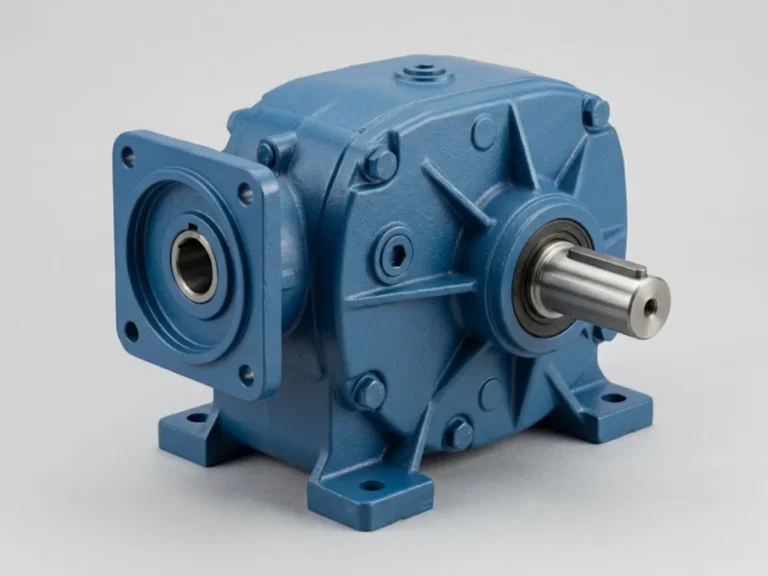
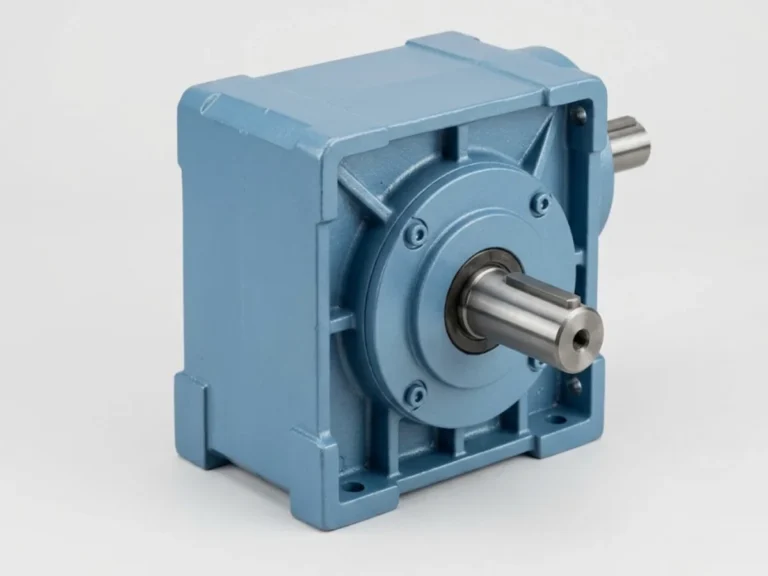
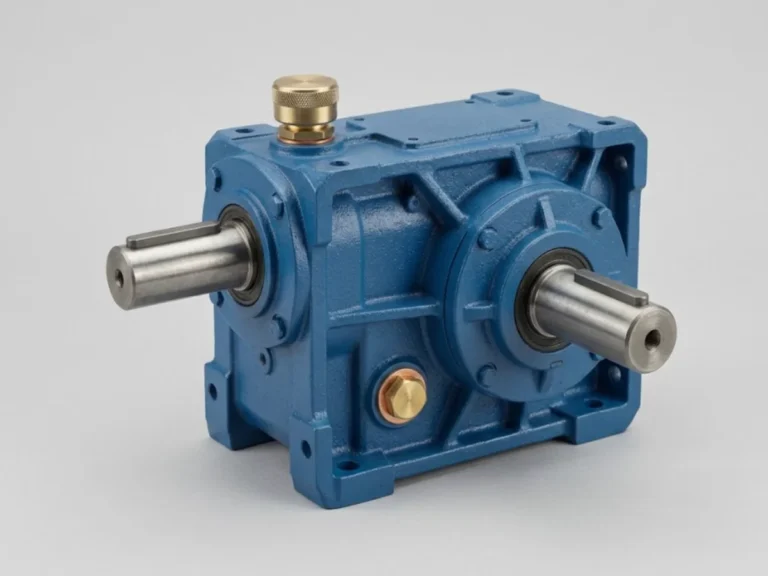
Bevel Helical Gearbox
Right-angle gearboxes combining bevel and helical stages for heavy-duty conveying and mixing.
On request- StandardAGMA / ISO 6336 rating
Helical, bevel-helical, planetary and worm gearboxes for industrial drives.
Right-angle gearboxes combining bevel and helical stages for heavy-duty conveying and mixing.
On requestHelical gearboxes for smooth, quiet, high-load power transmission in industrial drives.
On requestInline helical gear units with coaxial input and output for compact installations.
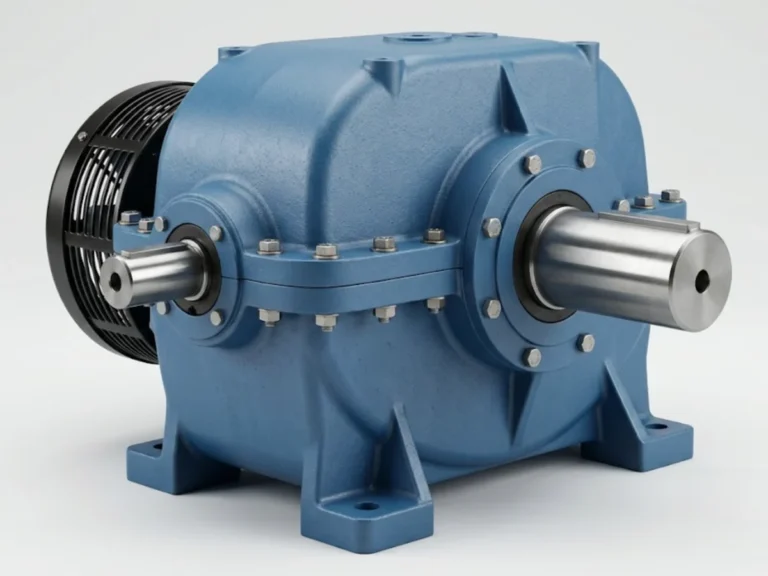
On requestParallel-shaft helical gearboxes for high-torque industrial duty.
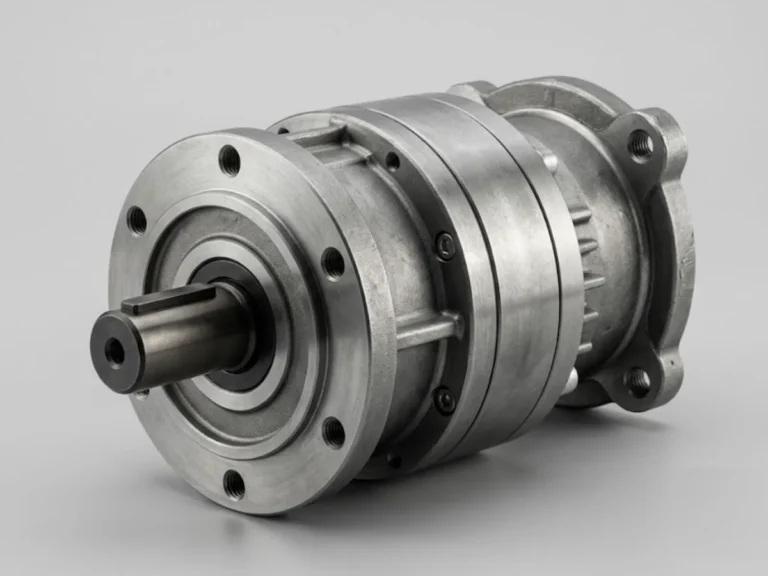
On requestPlanetary gearboxes with high torque density and efficiency in a compact, coaxial package.
On requestWorm gearboxes giving large reduction ratios in a single stage with smooth, quiet operation.
On requestNo products match your filters. or ask our engineers.
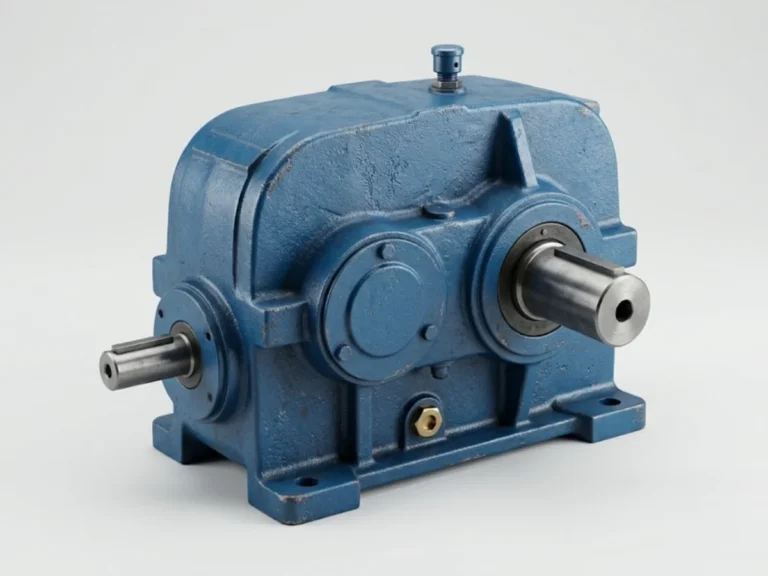
Gearboxes reduce motor speed and multiply torque for conveyors, agitators, mixers, hoists, kilns, crushers and many other machines. The listing covers parallel helical, inline helical, bevel helical, helical, worm and planetary types, each suited to a different shaft layout and torque requirement.
The type is chosen by shaft orientation, ratio, efficiency and space. Helical gearboxes are efficient and suit continuous, heavy duty. Bevel helical units turn the output through 90 degrees, useful on conveyor drives where space is tight. Worm gearboxes give a large single-stage ratio and quiet running in a compact housing, but efficiency is lower and falls as the ratio rises, so they run hotter. Planetary units give very high torque density in a small diameter and suit slewing, winches and mobile or space-limited drives.
How to select:
A geared drive needs a matching motor: see the motors range or ready-made gear motors with brake. If you are rating the motor, the motor current calculator helps with cable and protection.
Helical gears mesh smoothly with high efficiency, often above 90 percent per stage, and carry heavy continuous loads. Worm gears give large reduction ratios in one stage and run quietly, but sliding contact makes them less efficient, particularly at high ratios, and they generate more heat. Worm units suit moderate power and intermittent duty; helical suits continuous, higher power drives.
The service factor is a multiplier applied to the required power or torque to allow for shock loads, starts per hour and daily running time. A smooth conveyor may need a factor near 1, while a crusher or heavy-shock load needs much more. The gearbox catalogue rating must meet or exceed the load multiplied by the service factor.
Divide the motor speed by the required output speed. For a 4-pole motor at about 1450 rpm and a conveyor drum needing 36 rpm, the ratio is about 40:1. Pick the nearest standard ratio from the catalogue, then check that the resulting output speed and torque still meet the machine requirement.
Choose a planetary gearbox when torque density and compactness matter, for example on winches, slewing drives, mixers with limited headroom and drives needing coaxial input and output. They carry load across several planet gears, so they are compact for the torque. They usually cost more than a parallel-shaft helical unit of the same rating.
Use the oil grade and quantity specified on the nameplate or manual, since the viscosity depends on gear type, load, speed and ambient temperature. Worm gearboxes often need specific compounded or synthetic oils. Change oil at the interval specified by the manufacturer, and follow a qualified engineer's advice for extreme temperatures or food-grade needs.