Cable Lugs & Glands
Cable Lugs & Glands
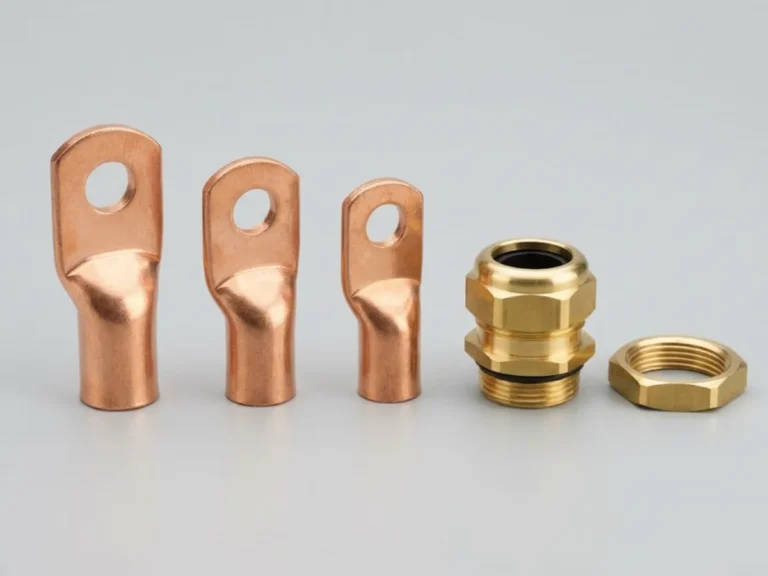
Crimp lugs and cable glands for terminating power and control cables.
On request- StandardIS 8309 (lugs), IEC 62444 (glands)
HT, LT, control and instrumentation cables.
Crimp lugs and cable glands for terminating power and control cables.
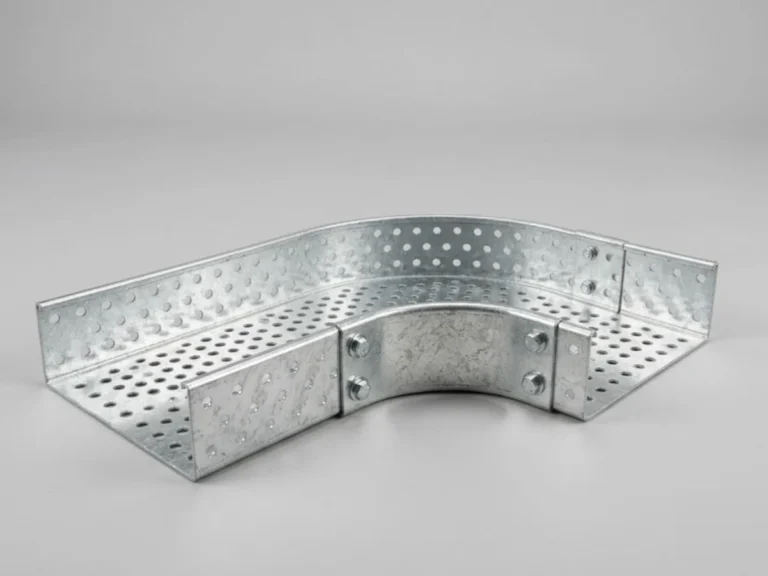
On requestPerforated, ladder and wire-mesh trays with bends, tees and supports.
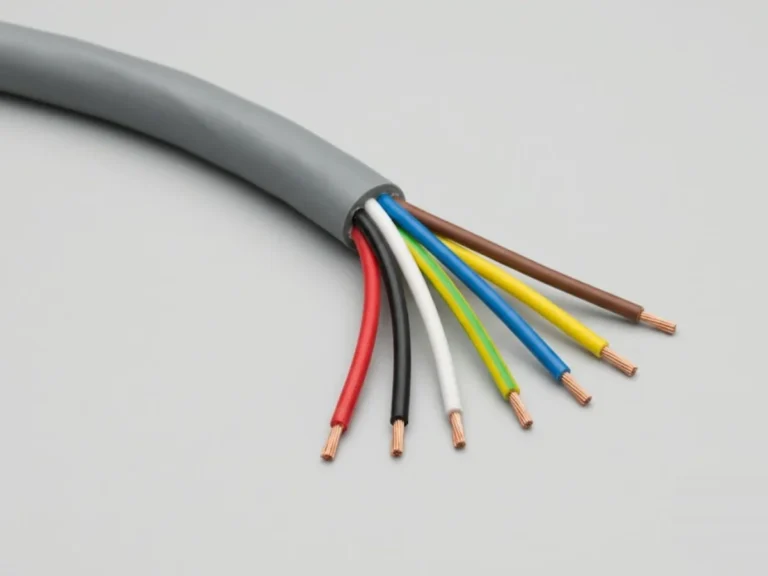
On requestMulticore cables for control, interlock and signal wiring between panels, drives and field devices.
On requestEarthing electrodes, strips, earth pits and accessories for earthing and lightning protection.
On requestPower cables for carrying electricity from supply to loads, in LT and HT grades with copper or aluminium...
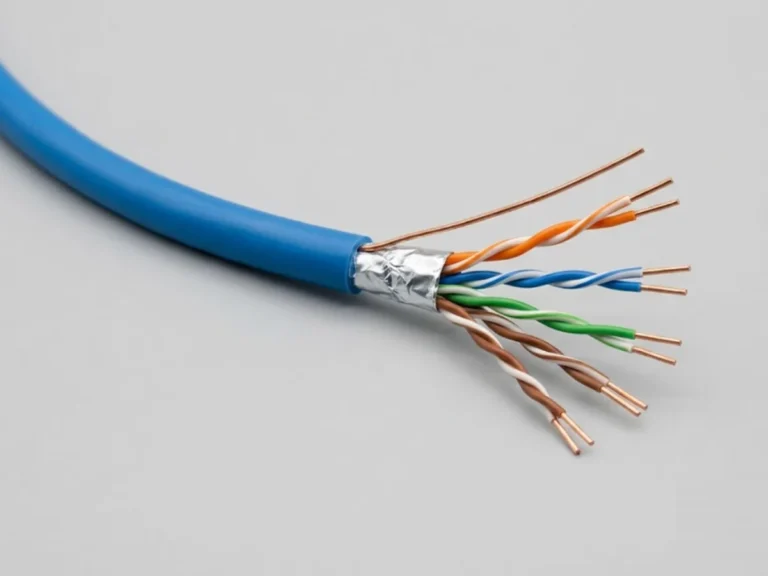
On requestTwisted-pair and triad cables with screening for low-level instrument signals and process control loops.
On requestNo products match your filters. or ask our engineers.
This range covers the cables that carry power, control signals and measurement signals through an industrial installation: HT and LT power cables, control cables and instrumentation cables, along with cable accessories and earthing such as trays, lugs, glands and earth pits.
The right cable depends on voltage, current, installation method and fault level. LT power cables are usually PVC or XLPE insulated, rated 1.1 kV, with copper or aluminium conductors and steel wire or strip armour for direct burial or tray laying. XLPE allows a higher conductor temperature than PVC, so for the same size it carries more current. HT cables for 3.3 to 33 kV add conductor and insulation screens and are available in earthed and unearthed system grades. Control cables are multicore copper, commonly 1.5 or 2.5 mm squared, for coils, interlocks and indications. Instrumentation cables use twisted pairs with screens to keep noise out of low-level analog signals.
When you specify a cable, state:
The motor current and cable calculator gives a first estimate for motor feeders. Relevant standards include IS 1554 for PVC insulated cables and IS 7098 for XLPE insulated cables, and the final choice should be confirmed by an engineer.
PVC insulation is cheaper and common for general LT use, with a maximum conductor temperature of about 70 degrees C. XLPE is cross-linked polyethylene, with a higher rating of about 90 degrees C, better short-circuit performance and lower dielectric loss. XLPE cables carry more current for the same size and are standard for HT cables.
Start from the load current, then pick a conductor size that carries it after derating for ambient temperature, grouping and installation method. Check the voltage drop over the route length and the short-circuit withstand for the fault clearing time. Take the largest size demanded by these three checks, and have an engineer confirm.
Control cables are multicore, usually unscreened, and switch relays and contactor coils at 24 to 230 V. Instrumentation cables use twisted pairs, with individual or overall screens, to carry low-level analog and signal data without picking up noise. Do not use control cable for 4-20 mA loops over long routes.
Armoured cable has a layer of steel wire or strip under the outer sheath for mechanical protection and, in some cases, earth return. It is used for direct burial, tray runs in industrial areas and places where damage is likely. Unarmoured cables suit conduit and protected indoor runs.
The grade indicates the insulation thickness for the system's earthing. An earthed grade, such as 6.35/11 kV, is for solidly earthed systems where a fault is cleared quickly. An unearthed grade, such as 11/11 kV, has thicker insulation for systems that may run with one phase faulted to earth. Check the system earthing first.