Pumps & Valves
Borewell Submersible Pump
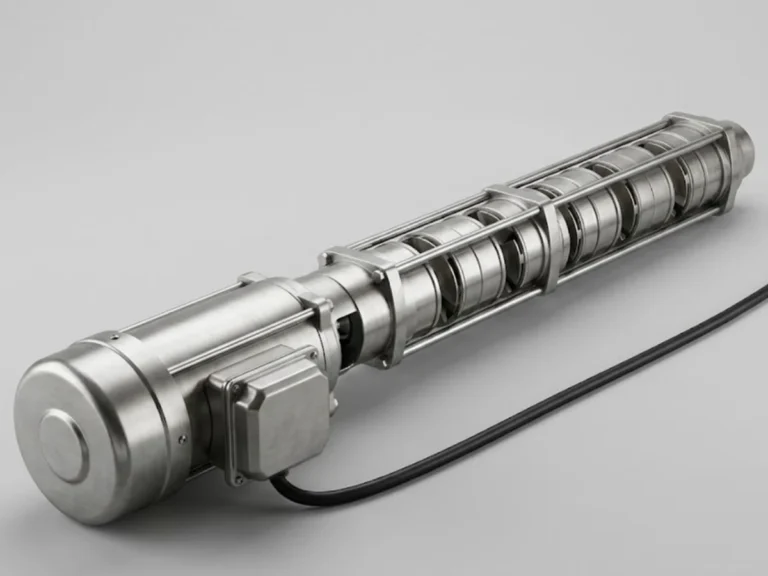
Multistage submersible pumps built to run inside narrow borewells for deep-water lifting.
On request- StandardIS 8034 (submersible pumpsets)
Submersible
Download specification sheet (PDF)
Vacuum pumps that remove air or gas to create negative pressure for process and priming duties.
Every field is optional - tell us what you know and we will confirm the rest in the quotation.
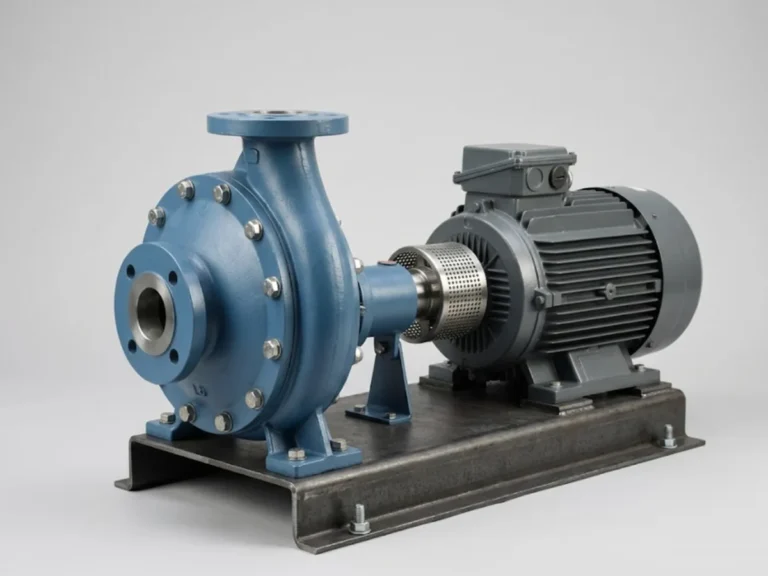
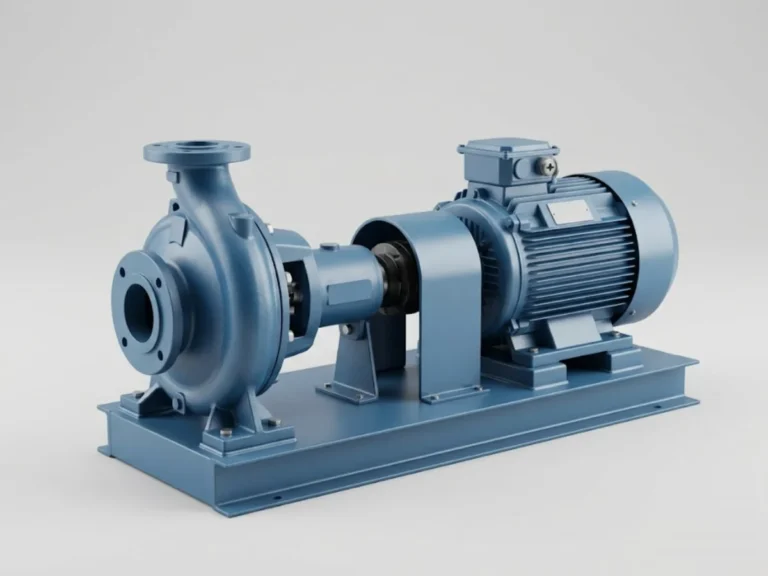
Representative image. The actual product, make and appearance depend on the supplier and your specification.
Also searched as: industrial vacuum pump, vacuum pump for process, priming vacuum pump, degassing vacuum pump, electric motor driven vacuum pump
Two numbers define a vacuum pump duty: how low a pressure you need (the ultimate or working vacuum) and how fast you must reach it. Be careful with units, since vacuum is quoted as absolute pressure in mbar or as a gauge reading in negative bar or mm Hg, and the two are easy to confuse.
A separator on the inlet protects the pump from liquid carry-over. Priming large pumps such as the DSM split-casing pump or the UP split-casing pump is a common use. Check that the exhaust is vented safely, and ask for the cooling or sealing-liquid supply requirements.
Ratings, dimensions and certification are confirmed against your enquiry. Use Send an enquiry and our engineers will respond within 24 hours.
Absolute pressure is measured from perfect vacuum, so a lower number means a deeper vacuum. A gauge reading is shown as negative relative to atmospheric pressure. State which one you mean, with units, when you enquire.
The volume of gas a pump can move reduces as the pressure falls. A figure at atmospheric pressure overstates what you get at deep vacuum, so the capacity should be read at your working vacuum.
Some types tolerate moisture and some do not. Water vapour can contaminate oil or damage dry mechanisms, so say what the gas contains and we will check the suitable type and any separator. A separator or trap on the inlet is often fitted to protect the pump from liquid carry-over.
A vacuum pump removes air or gas from a closed space or system so that the pressure inside falls below atmospheric pressure. Different designs do this in different ways, but all of them take gas out and discharge it at a higher pressure.
Common industrial types include liquid ring, rotary vane and rotary piston pumps. They differ in the vacuum level they reach and in the gas or vapour they can handle. The type is chosen from the duty.
Select on the vacuum level needed, the suction capacity, the gas or vapour handled, and the duty, for example priming, process vacuum or degassing. Also state the operating hours and the power supply.
SKE Bharat is a supplier based in Rajaji Nagar, Bangalore, supplying across India. Quotations are prepared from the ratings you send, so share your requirement and we will respond within 24 hours.
| Pump Type | Vacuum |
|---|---|
| Standard | To specification |
| Typical Service | Priming, process vacuum, degassing |
| Orientation | Horizontal |
| Drive | Electric motor (coupled or monoblock) |
Multistage submersible pumps built to run inside narrow borewells for deep-water lifting.
On requestGeneral-purpose centrifugal pumps for transferring clean water and light liquids in industry and buildings.
On requestPumps in chemical-resistant materials for transferring acids, alkalis, solvents and other aggressive liquids.
On requestEnd-suction centrifugal pumps of the CE series for water supply and process duties.
On requestHow gate, globe and non-return valves differ, where each belongs on a pump line, and how to choose size, rating and type to avoid water hammer…
7 min readPumps, Cables & Buying GuidesA practical method to select a centrifugal pump: define flow and total head, check NPSH, pick materials and seals, then size the motor.
7 min read