Lithium & Integrated Battery UPS
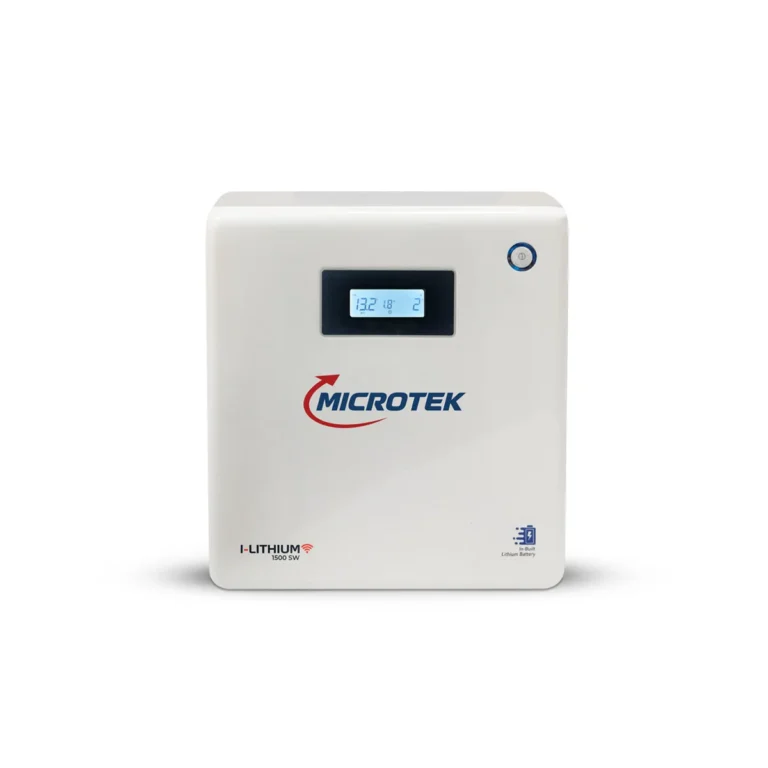
Microtek I-Lithium
Wall-mounted pure sine wave inverter with a built-in lithium-ion battery in a single unit; WiFi monitoring on the...
- BrandMicrotek
- Product TypeLithium & Integrated Battery UPS
Microtek
 Inverters & UPS in association with MARC Traders
Browse the full range. Filter by category or feature, compare specifications and add items to your quote list.
Wall-mounted pure sine wave inverter with a built-in lithium-ion battery in a single unit; WiFi monitoring on the...
Compact wall-mount all-in-one inverter-plus-LiFePO4 battery units for homes, offices and clinics; the website markets them as 'Energy Storage...
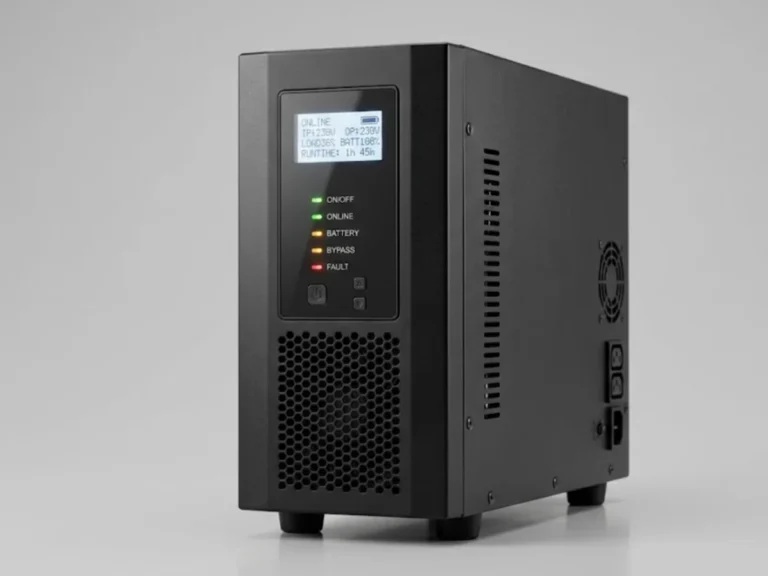
UPS systems from Uniline with lithium-ion batteries, which the company describes as more compact, with longer backup time...
No products match your filters. or ask our engineers.
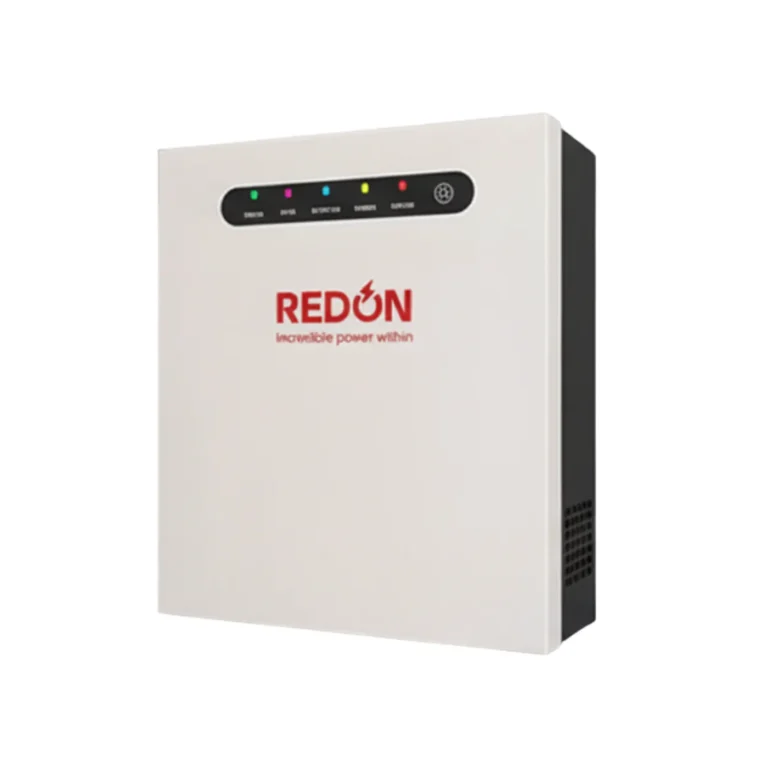
These products combine the inverter or UPS and a lithium battery in one cabinet. The listing has Uniline Lithium-Ion Battery UPS, Microtek I-Lithium and Redon in-built lithium inverters (ESS series). They are aimed at homes, apartments, offices and shops that want backup without a separate battery trolley.
The main attraction of lithium iron phosphate is compactness. It can be discharged deeper than lead-acid, so a smaller battery gives the same usable energy, and it does not need water topping or acid handling. The pack carries a battery management system, which balances cells and protects against over-current, over-charge and temperature extremes. Cycle life is far higher than flooded lead-acid, which pays off if outages are frequent or if the system is also used to shift solar energy. The trade-off is a higher purchase price.
When choosing, check:
Lithium cells at industrial level are tested against IEC 62619, though small consumer products may follow other standards. For standalone lithium banks, see the lithium-ion batteries range, and use the battery backup calculator to confirm that the usable energy covers your load.
Lithium UPS units are smaller and lighter than lead-acid equivalents, need no water topping, use more of the rated capacity, and last for more charge cycles. They suit locations with limited space and frequent outages. The main drawback is higher initial cost, so compare the cost over the expected life.
Lithium iron phosphate is a relatively stable chemistry, and a battery management system adds protection, but a poorly designed or damaged pack can still be hazardous. Choose a product with proper protection circuits and certification, install it as the maker instructs, and avoid heat and physical damage. Lead-acid has its own hazards, such as acid and hydrogen gas.
It depends on the model. Some integrated systems allow a second pack or module to be added for more backup time, while others have a fixed battery. Ask the supplier before buying whether expansion is possible, how many modules can be paralleled, and whether the inverter can handle the extra charging current.
Divide the usable battery energy in Wh by the load in watts and adjust for inverter efficiency, around 85 to 90 percent. For example, a 1.2 kWh usable pack running a 300 W load gives about 3 hours at 90 percent efficiency. Real runtime depends on load changes, temperature and battery age.
It needs less than a flooded lead-acid system, with no water topping. Keep it ventilated and away from heat, check connections and firmware or app alerts, and keep it charged. Lithium batteries age by time and cycles, so check capacity periodically. Follow the maker's manual for storage and charging.