Lithium-ion Batteries
Redon 48V Telecom Battery Modules
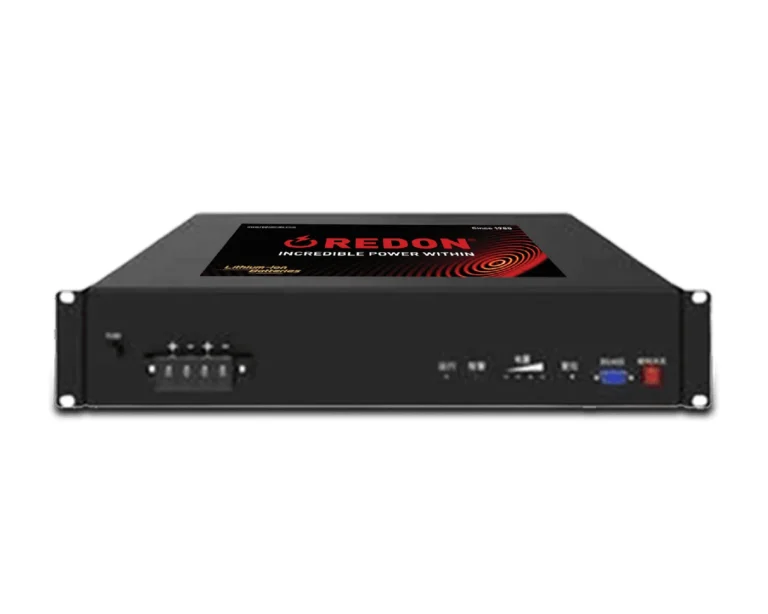
Rack-mount 48 V LiFePO4 modules for telecom towers, remote sites, data nodes and UPS setups
- BrandRedon
- Product TypeLithium-ion Batteries
Redon
 Batteries in association with MARC Traders
Browse the full range. Filter by category or feature, compare specifications and add items to your quote list.
Rack-mount 48 V LiFePO4 modules for telecom towers, remote sites, data nodes and UPS setups
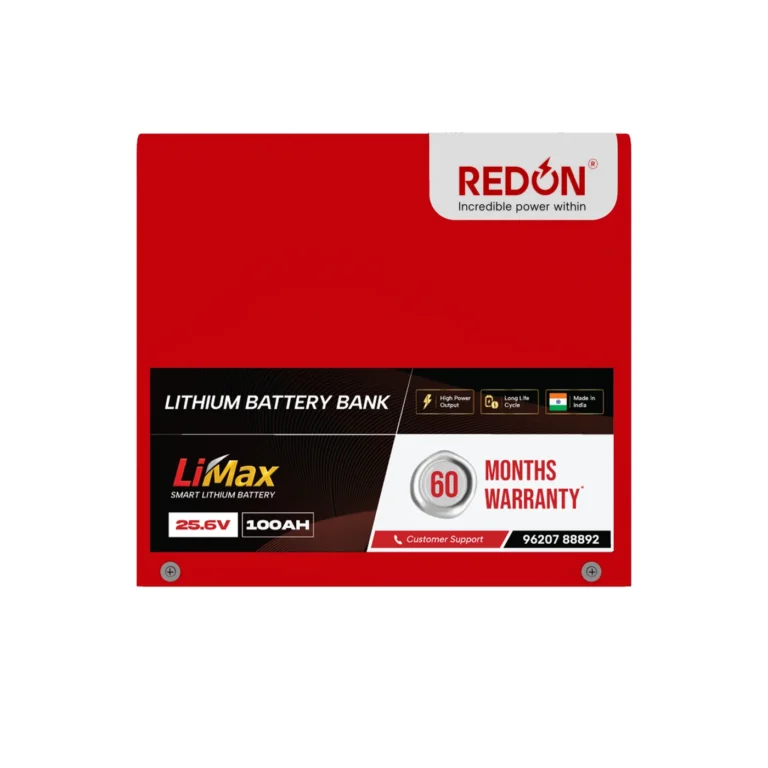
Wall-mountable LiFePO4 battery banks that replace lead-acid batteries behind any inverter, in voltages from 12.8 V to 120...
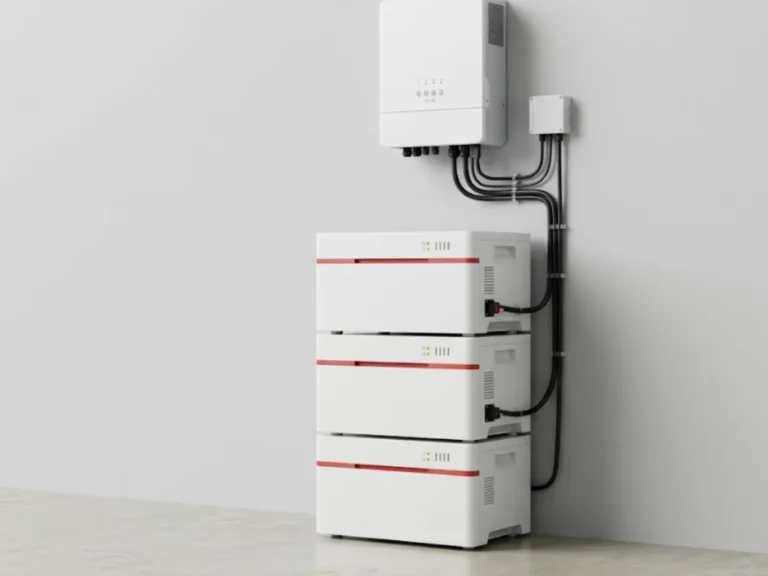
Floor-standing modular LiFePO4 battery stacks built from 51.2 V / 100 Ah / 5.12 kWh modules, scalable from...
No products match your filters. or ask our engineers.
This category lists lithium battery systems from Redon: 48 V telecom battery modules, lithium battery banks and RedONstacK ESS and high-voltage series stacks. They suit telecom sites, solar storage and commercial backup that need daily cycling in a small footprint.
Compared with lead-acid, a lithium iron phosphate (LFP) battery offers a higher usable depth of discharge, lower weight, a flatter voltage curve and a much longer cycle life, so it often wins where the battery is cycled every day. The purchase cost per kWh is higher, so compare cost per delivered kWh over the life. A battery management system (BMS) protects the pack against over-voltage, under-voltage, over-current and temperature extremes, and talks to the inverter or charger over CAN or RS485.
What to check:
Lithium batteries for industrial use are tested against IEC 62619 and related safety standards, and the project specification should name them. Pair them with a compatible lithium and integrated-battery UPS or a hybrid solar inverter, and estimate size with the battery backup calculator.
Lithium iron phosphate batteries can be discharged much deeper, weigh less, hold their voltage better and last for many more cycles. Lead-acid batteries cost less upfront, are well proven and easily recycled, but lose life under deep or daily cycling. The better value depends on how often you cycle the battery.
A battery management system is the electronics that monitor each cell, balance them and protect the pack from over-charge, over-discharge, over-current and temperature extremes. It also reports state of charge and alarms to the inverter or charger over a communication link. A mismatched BMS protocol is the main reason lithium packs do not work with an inverter.
Not always. The inverter or charger must support the lithium battery's voltage range and charging profile, and ideally communicate with its BMS. Some inverters have a lithium mode, others do not. Confirm compatibility before buying, as mismatch may cause shutdowns or unsafe charging. Check the inverter and battery manuals together.
Often yes. LFP packs for 48 V systems use 16 cells in series, each at 3.2 V nominal, giving 51.2 V nominal. The terminology 48 V comes from the lead-acid and telecom convention. Always check the allowed voltage window of the charger or inverter against the pack's full-charge voltage.
Calculate the energy you want to shift into the evening or night in kWh, divide by the usable depth of discharge of the battery and by the inverter efficiency, then add a margin for ageing. Check the inverter's maximum charge and discharge current. The solar calculator on this site gives a first estimate.
MPPT and PWM charge controllers treat panel voltage very differently; here is how each works, how to size one and which suits your battery system.
6 min readBatteries, Inverters & UPSLithium costs more upfront but lasts longer and delivers more usable energy. This guide shows where each chemistry wins for inverters and UPS and the traps…
6 min readBatteries, Inverters & UPSBattery life is mostly decided by habits, not luck. A checklist of the routine checks, charging settings and storage practice that keep inverter and industrial batteries…
6 min read