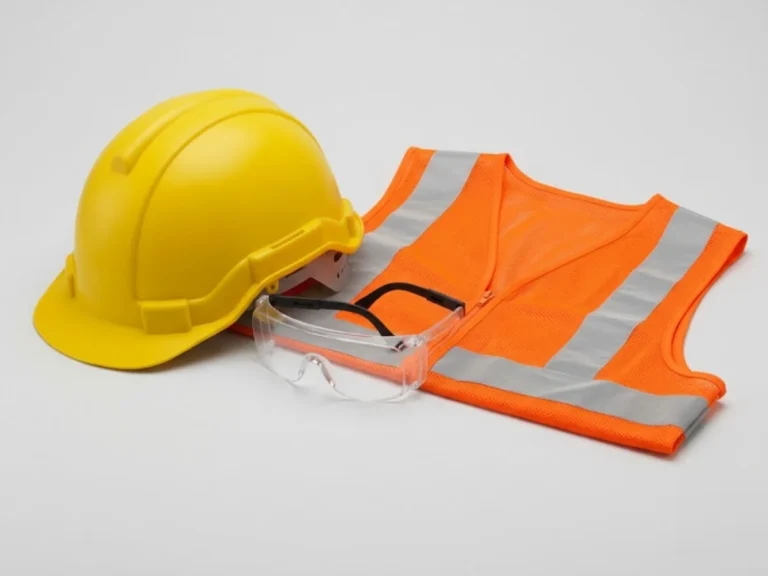
PPE is the last layer of defence against electric shock and arc burns, after isolation, lock-out and proper procedure. It protects only when it is the right grade for the voltage, undamaged, tested in date and worn with the right outer protection. This guide explains how to choose insulated gloves, helmets and related items, and how to match them to the task.
Start with the hierarchy: PPE is not the first control
The preferred order is to de-energise, isolate, lock out, prove dead and earth before work starts. PPE covers what remains: accidental contact, switching operations, live testing and work near energised parts where isolation is not possible. Your site permit-to-work system and safety officer decide whether live work is allowed at all. Nothing here replaces the site’s safety procedure; confirm your choices with a qualified electrical safety engineer.
Insulated gloves: classes and voltage
Rubber insulating gloves are classified by the maximum working voltage they are tested to. International standards for electrical insulating gloves use classes 00 to 4. The commonly quoted maximum use voltages (AC, rms) are:
| Class | Maximum use voltage (AC) | Typical use |
|---|---|---|
| 00 | 500 V | Low-voltage control and instrument work |
| 0 | 1,000 V | LT panels, 415 V distribution and motor control |
| 1 | 7,500 V | Work up to about 6.6 kV |
| 2 | 17,000 V | 11 kV systems |
| 3 | 26,500 V | Up to about 22 kV |
| 4 | 36,000 V | 33 kV systems |
Choose a class whose maximum use voltage is above the highest phase-to-phase voltage you can touch or approach, with a margin. For most LT panel work, Class 0 is typical; for 11 kV switchgear operation, Class 2 is the usual choice. Look at our range of insulated hand gloves and check the class, the marking and the test date on each pair.
Gloves are a system
- Leather protector gloves go over rubber gloves to guard against cuts, punctures and abrasion. A pinhole defeats the insulation, so a protector is normally worn for any live work.
- Size and fit: bulky or tight gloves cause awkward handling; choose a size that lets you do the task without stretching the rubber.
- Air test and visual check before every use: roll the cuff to trap air and look and listen for leaks, and check for cracks, cuts, embedded metal, swelling or tackiness.
- Periodic testing: gloves must be electrically retested at intervals set by the standard or your employer, and removed from service if they fail.
- Storage: store flat or hanging in a bag, away from heat, sunlight, oil, ozone sources and sharp objects. Never fold or crush them.
Safety helmets for electrical work
An ordinary industrial helmet protects the head from impact and falling objects. For electrical work, choose a helmet specified for electrical insulation up to a stated voltage, and without metal parts or open vents that could allow a conductive path. Look for the helmet’s electrical rating on the shell or the data sheet, and check that it carries the marking required by the relevant Indian or international helmet standard. Also check:
- Chin strap fitted when working at height or near moving equipment.
- Shell free of cracks, chemical damage and sun-induced chalking; replace after any heavy impact.
- Service life stated by the manufacturer; harness and shell age even without visible damage.
Browse safety helmets and PPE for helmets, face shields and related items.
Other items that complete the set
- Insulated footwear: electrical hazard shoes or insulating boots rated for the voltage; they give a second layer of insulation from ground.
- Insulating mats: rubber mats in front of LT panels and switchgear, correct thickness for the voltage, kept clean and dry.
- Face shield and arc-rated clothing: for switching and racking operations on higher fault levels, where arc flash is the main hazard. The incident energy and the required protection level come from an arc flash study.
- Insulated tools: screwdrivers, pliers and cutters rated for 1,000 V AC with the proper marking.
- Voltage detectors and earthing sets: to prove dead and to earth before work.
- Safety glasses for any live or arcing risk, and a hard hat with a chin strap for work at height.
Matching PPE to the task
| Task | Suggested minimum |
|---|---|
| Resetting an MCB or changing a fuse in a 415 V panel | Class 0 gloves with leather protectors, insulated shoes, helmet, safety glasses |
| Operating 11 kV switchgear | Class 2 gloves, insulated mat, helmet and face shield, arc-rated clothing as per the arc flash assessment |
| Live testing on control circuits at 24 V DC to 110 V | Class 00 gloves where required, insulated tools |
| Working near an energised panel but not touching | Maintain safe approach distance, helmet, safety shoes; gloves as per procedure |
This table is guidance only. Follow the permit-to-work, the site safety rules and the advice of your safety officer.
Training, records and replacement
PPE only works if people know how to use it. Train staff to inspect gloves, put them on correctly and recognise damage. Keep a register of each pair of gloves, helmet and mat showing issue date, test date and next test due, and tag items clearly. Replace helmets according to the manufacturer’s service life or after any impact, and replace mats that crack, harden or are contaminated with oil. Make sure issued PPE is the right size for each person, because ill-fitting PPE is the kind people stop wearing. Your safety officer should own the inspection schedule.
What to send us for a quotation
Tell us the highest voltage your team will work at, the tasks (operating, testing, cable work), glove sizes and quantities, and any helmet or footwear standards your safety officer requires. Send the list via request a quote or contact us, and we respond within 24 hours.
Frequently asked questions
Which insulated glove class do I need for 415 V work?
Class 0 rubber insulating gloves are rated for a maximum use voltage of 1,000 V AC, so they cover 415 V systems with margin. Wear leather protector gloves over them to prevent punctures, check them by air test before each use, and have them retested at the interval set by the standard or your safety rules. Class 00 is rated only up to 500 V.
Which gloves are suitable for 11 kV work?
Class 2 gloves are rated for a maximum use voltage of 17,000 V AC and are the usual choice for operating 11 kV systems. They are used with insulated mats, rated tools, and often a face shield and arc-rated clothing. Your site procedure and a qualified safety engineer must approve live-work practices; gloves alone do not make live work safe.
Can I use a normal construction helmet for electrical work?
A standard helmet gives impact protection but may have vents or metal parts that are unsuitable near live conductors. For electrical work, use a helmet marked and rated for electrical insulation up to the voltage you face, with a non-conductive shell and chin strap. Check the manufacturer's data sheet and replace the helmet after impact or when its service life ends.
How often should insulated gloves be tested?
Gloves should be checked visually and air-tested before every use, and sent for periodic electrical testing at the interval the applicable standard or your employer's safety rules set. Any glove that fails a test or shows cuts, cracks or swelling must be removed from service. Keep a register with test dates so none are used out of date.