When three suppliers quote for the same electrical item and the prices differ by 40 percent, the cause is usually not the supplier. It is that each one quoted a slightly different product, scope or set of terms. A good request for quotation (RFQ) removes the guesswork, so every quote answers the same question and you can compare them fairly. Here is what to include.
Start with a clear scope
Open the RFQ with a short description of what is needed and for what use. Example: “Supply of 2 numbers 55 kW, 415 V, 4-pole, IE3 AC induction motors for cooling water pumps, indoor, ambient 45 degrees C.” This gives the supplier the context to check that their product is right for the job and to suggest alternatives where the specification is not practical.
Decide what is included: supply only, supply and delivery to site, supply with installation and commissioning, or supply with testing at site. State it explicitly. Many price differences between quotes come from different assumptions about what is in scope.
The technical block
This is the part that makes quotes comparable. Include everything that changes the product:
- Rating: kW, kVA, ampere, voltage, phases, frequency (50 Hz).
- Type and construction: for a motor, frame size, mounting, poles, enclosure, insulation class; for a panel, form of separation, busbar rating, fault level; for a cable, cores, size, conductor, insulation, armour and sheath.
- Standards: the Indian or international standards the product must meet.
- Site conditions: indoor or outdoor, ambient temperature, altitude, humidity, dust, corrosive atmosphere, hazardous area classification.
- Make or approved list: if you only accept certain brands, say so. If equivalents are welcome, state how equivalence will be judged.
- Accessories: glands, lugs, spares, special tools, drawings and manuals.
Attach existing datasheets, single-line diagrams, load lists or cable schedules instead of re-typing them. If you are unsure about a rating, use our motor current and cable calculator or the product finder before you finalise.
Quantities, units and options
List each item with a line number, description, quantity and unit (nos, metres, sets, kg). Write cable lengths in metres with the drum length you can accept. If you want optional items priced separately, such as spares, commissioning spares, or an extended-guarantee option, put them on separate lines so they do not distort the base comparison. Ask for unit prices as well as totals.
Commercial terms to state
Leaving commercial terms unstated forces each supplier to guess. State:
- Price basis: ex-works, free delivery to your site, or other, and whether freight and insurance are included.
- Taxes: GST to be shown separately and the GST rate or HSN code if you know it.
- Payment terms: advance, milestone, against delivery or credit period you can offer.
- Delivery period: required date or a maximum number of weeks from order, and the delivery location.
- Quote validity: how long the price should remain open.
- Warranty and guarantee: what you expect the supplier to cover and from which date.
- Inspection and tests: routine tests, witnessed tests, third-party inspection and the test certificates you want with the dispatch.
Do not expect a supplier to accept terms they have not seen. If you have standard purchase terms, attach them.
Ask for a standard response format
Tell suppliers how to reply. A short table works well:
| Item | Make and model offered | Unit price | Quantity | Delivery weeks | Deviations from specification |
|---|---|---|---|---|---|
| 1 | |||||
| 2 |
The “deviations” column is the most valuable. It makes suppliers declare where their offer departs from your specification, so you see the differences before you place the order rather than after delivery.
Mistakes that make quotes incomparable
- Giving only a kW or kVA rating without voltage, duty, or standards.
- Mixing supply-only and installed prices across suppliers.
- Not saying whether freight and GST are included.
- Asking for “best price” with no deadline, so suppliers quote on different days at different material prices.
- Sending an RFQ to many suppliers without telling them the evaluation criteria.
Comparing quotes means comparing technical compliance first, then commercial terms, then price. A lowest quote on an incompatible product is not the lowest cost.
Quick checklist
- Purpose and scope (supply, delivery, installation, testing).
- Item list with quantities and units.
- Ratings, construction, standards, site conditions.
- Drawings, datasheets and approved makes.
- Price basis, GST, payment, delivery, validity, warranty.
- Inspection and test requirements.
- Response format and last date for quotes.
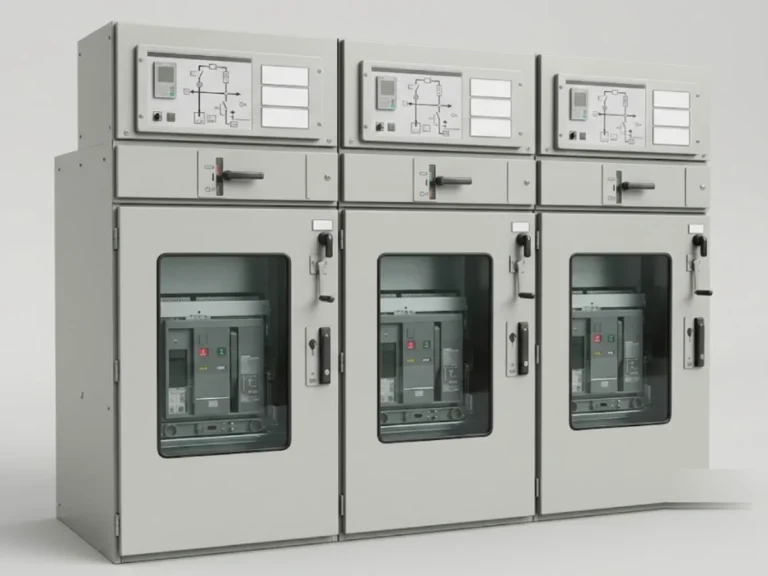
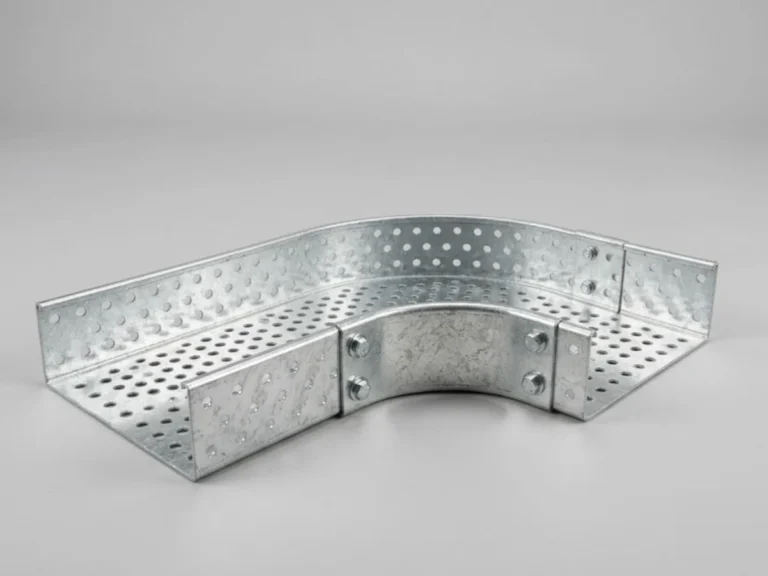
You can browse the range by category, for example switchgear panels or cables and connectors, to see what variants exist before writing your list.
Evaluating the replies
When quotes arrive, check them in three steps. First, technical compliance: does each offer meet every mandatory point, and are the declared deviations acceptable? Second, completeness: are all items, accessories, taxes and freight priced on the stated basis? Third, commercial comparison: normalise delivery, payment and validity, then compare total landed cost. If something is unclear, send the same clarification question to all suppliers so no one is advantaged. Record the reasons for your choice, particularly when the lowest price is not selected. Give every supplier a fair chance to answer queries before the closing date, and tell unsuccessful bidders politely once the order is placed; it keeps the supplier relationship healthy for the next enquiry.
What to send us for a quotation
Send your RFQ as it is: scope, item list, datasheets, drawings, site conditions, standards, delivery location and the date by which you need a response. If any detail is missing, we will ask. Use the request a quote page or contact us; we answer quotation requests within 24 hours.
Frequently asked questions
What should an RFQ for electrical equipment include?
A scope statement, an itemised list with quantity and unit, full technical ratings and construction details, the applicable standards, site conditions, accessories, drawings and datasheets. Add commercial terms: price basis, GST, payment, delivery period and location, validity, warranty, and inspection and test requirements. Include a response format and a last date for quotes so suppliers reply on the same basis.
Why are supplier quotes for the same item so different?
Usually because the quotes are not for the same thing. Differences in make, construction, standards, accessories, included services, freight, taxes and delivery period all change the price. A detailed RFQ with a deviations column makes each supplier declare what they have offered, so you can compare technically first and commercially afterwards.
Should an RFQ name a brand?
If you need a particular make for compatibility or spares, say so and give the reason. Otherwise state the technical requirement and the standards, and allow equivalents with a note on how equivalence will be judged. Naming a brand without allowing equivalents narrows the field, while a vague description invites unlike products. Stating performance requirements clearly avoids both.
How long should quote validity be in an RFQ?
Choose a validity period that suits your approval process, for example a few weeks, and state it clearly. Electrical equipment prices can move with raw material costs, so very long validity may lead suppliers to add a contingency. If your approvals take long, say so up front and ask suppliers to confirm what validity they can offer.