Analogue & Digital Panel Meters
Analogue & Digital Panel Meters
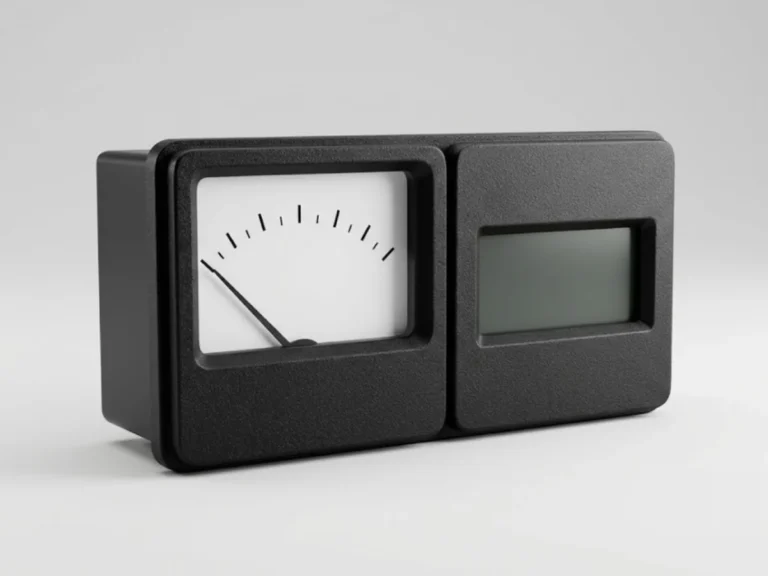
Ammeters, voltmeters, frequency meters and other panel indicators.
- StandardIS 1248 / IEC 60051
Metering
Browse the full range. Filter by category or feature, compare specifications and add items to your quote list.
Ammeters, voltmeters, frequency meters and other panel indicators.
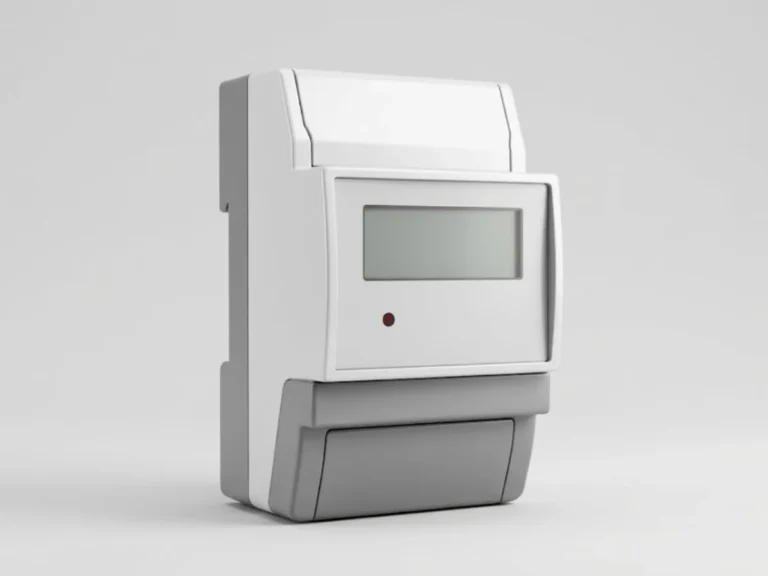
Single- and three-phase energy meters for billing and sub-metering of consumption.
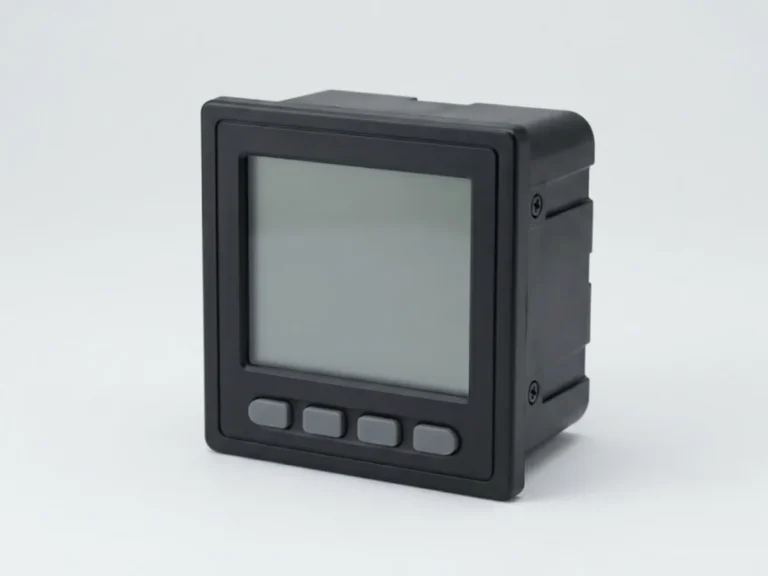
Panel meters that show voltage, current, power, power factor, frequency, energy and harmonics.
No products match your filters. or ask our engineers.
Meters turn electrical quantities into readings for operators, energy managers and billing. This category includes analogue and digital panel meters for voltage, current and frequency, multifunction meters and power analysers that give power factor, demand and harmonics, and energy meters for kWh and kVAh recording.
A simple ammeter on a motor feeder is enough for local indication, but modern plants usually want more. A multifunction meter replaces a bank of separate meters, records maximum demand and can send data over Modbus to a SCADA or energy management system. A power analyser goes further, with harmonic content and event recording, which helps in tracing nuisance trips and capacitor problems. For energy accounting, a kWh/kVAh meter at each incomer and large feeder shows where the energy is going.
Selection checklist:
Static energy meters are covered by IS 13779 for classes 1 and 2 and by IS 14697 for classes 0.2S and 0.5S. For power factor trends, pair the data with the power factor correction equipment, and use the power factor calculator to estimate capacitor requirements.
A digital panel meter shows one or a few quantities, such as voltage or current, on a display. A multifunction meter measures many parameters at once, including power, power factor, frequency, energy and demand, and usually has a communication port. It replaces several meters and gives data for monitoring and energy audits.
A kWh meter records real energy used. A kVAh meter records apparent energy, which includes the reactive component, so a poor power factor increases the reading. Some tariffs bill on kVAh, which rewards good power factor. Check your tariff order to see which basis applies to your connection.
For internal monitoring a class 1.0 or 0.5S meter is usually adequate. For tariff or revenue metering at HT consumers, the DISCOM normally specifies 0.5S or 0.2S with matching CTs and VTs. The overall system accuracy also depends on the instrument transformers, so match all of them.
The meter measures the small secondary current and multiplies it by the programmed CT ratio to display primary values. For example, a 600/5 A CT needs the ratio 120. If the ratio is set wrongly, every current, power and energy reading is wrong by the same factor, so check it during commissioning.
Many multifunction meters show total harmonic distortion of voltage and current up to a limited harmonic order, and power analysers give detailed spectrum and waveform capture. Harmonics matter when drives, UPS or LED lighting form large share of load. A quality analyser is better for diagnosis. Share your measurement need to select the right model.