A fire fighting pump set is the one pump in a building that must start the first time, every time, possibly with the grid already down. That is why its specification is driven by the fire code and the authority having jurisdiction (AHJ), not by normal pump selection practice. This article gives general guidance on how the pieces fit together and what to put in your enquiry; it does not replace the applicable code, your fire consultant or the local fire authority’s requirements.
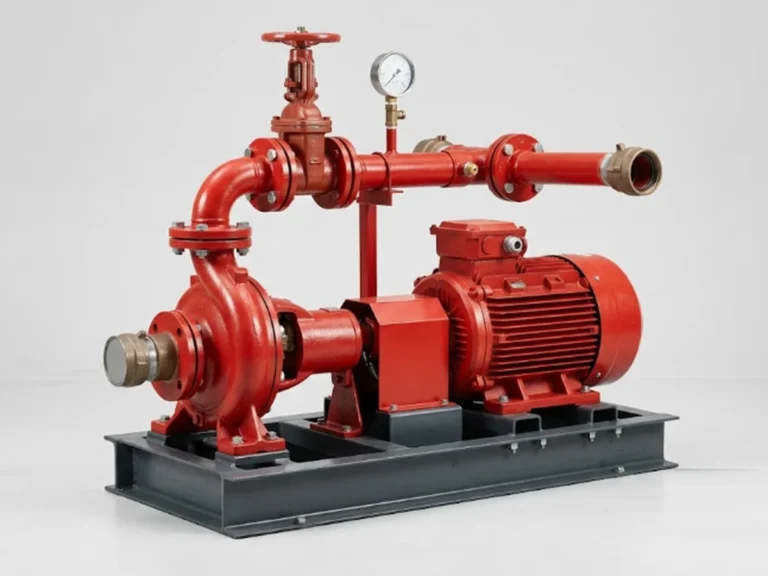
The usual pump set arrangement
Most hydrant and sprinkler installations use a combination of three pumps. The exact combination, ratings and number of pumps depend on the occupancy, the hazard classification and the code the project follows (for example the National Building Code of India, insurer or NFPA-based requirements).
- Main electric pump: the primary pump, driven by an electric motor on a dedicated power feeder.
- Diesel engine pump (standby): a pump driven by a diesel engine so that fire protection still works if electrical power fails.
- Jockey pump: a small pump that holds system pressure and makes up minor leakage so the main pumps do not start for every pressure dip.
Some designs add a second electric pump or a sprinkler-specific pump. Ask the fire consultant for the number, duty and standby philosophy; do not guess it from a similar building.
Duty: flow and head from the design, not the catalogue
The required flow and pressure come from the hydraulic design of the hydrant and sprinkler network. Provide the supplier with the rated flow, the rated head or pressure at that flow, and any overload point the code demands (the pump must typically deliver more flow at a lower head, within limits set by the code). Pump curves for fire duty are checked against these points, and the shut-off head is also limited. These details come from the code and the design, so request them in writing from the consultant.
Common pump types include horizontal split-casing, end-suction and vertical turbine pumps for tank or sump suction. Explore the fire fighting pumps range, and see related pumps such as horizontal axially split casing pumps and vertical turbine pumps. The choice between those constructions follows the suction source and the available sump or tank.
Electric pump set: points to specify
- Motor: rating with a margin above the maximum power on the pump curve, so the motor is not overloaded at any point on the curve.
- Power supply: a reliable dedicated feeder, normally taken ahead of the main building switch, with protection set so that it does not trip on motor overload in an emergency. Follow the code on what protection is permitted.
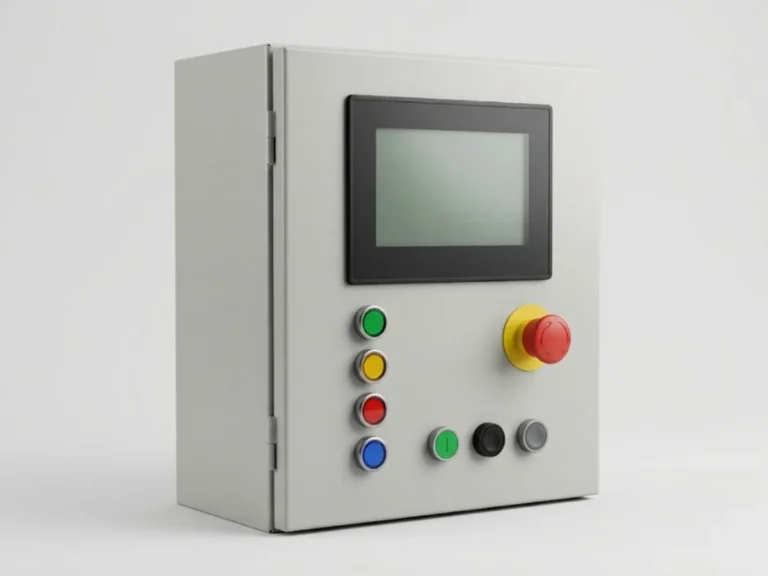
- Controller: a dedicated fire pump controller or starter panel with automatic start on pressure drop, manual start, and status indications. Check which starting method your code or insurer permits.
- Cable: choose cable routes and types that keep the circuit alive during a fire, as required by the project specification.
Pressure-switch or transmitter-based automatic start settings, pump start sequence and test provisions should all be in the specification. The supply side, including the main and standby sources, is usually discussed with the electrical consultant; for related equipment see switchgear panels and the AMF panel that handles generator changeover.
Diesel engine set: points to specify
- Engine rating: sized at the site conditions (altitude and ambient temperature derate engine output) to cover the pump’s maximum power demand.
- Starting: electric start with batteries and charger, sometimes with a second battery bank. Our Exide Genplus genset batteries are an option for the starter bank; the specification should state the number of banks and the automatic charging requirement.
- Fuel tank: capacity for the running time the code requires, with day tank arrangement if needed.
- Cooling: radiator or heat exchanger, and the exhaust arrangement, including silencing.
- Controller: engine control panel with automatic start on pressure drop, manual and test start, and alarms for low oil pressure, high coolant temperature, overspeed and failure to start.
Plan for the engine room too: ventilation, exhaust routing, vibration mounts, fuel storage rules and access for refuelling.
Jockey pump and accessories
The jockey pump is usually a multistage pump such as a vertical inline multistage pump with a pressure switch or transmitter, sized for a small flow and a head slightly above the main pump’s start pressure. Accessories to include in the enquiry:
- Pressure gauges, pressure switches or transmitters, and test headers.
- Non-return valves and isolating valves of the right pressure class, from our valves range.
- Relief valve, flow test line and flow meter arrangement for periodic testing.
- Baseplate, flexible couplings and guards.
Approvals, testing and documentation
Ask which approvals, listings or inspections the project requires: some projects need pumps that are listed or approved for fire service, others need factory test certificates and a witnessed performance test. Request test curves at rated, overload and shut-off points, and a commissioning plan. A regular weekly or monthly run schedule for the pumps and controllers should be set with the plant’s safety team.
Confirm every point above with your fire consultant and with the local fire authority before ordering. Fire pump packages should be reviewed by a qualified engineer familiar with the applicable code.
Plan how the pump room is inspected, tested and kept free of obstruction. Weekly run tests under no flow and periodic flow tests against the rated curve reveal worn bearings, blocked strainers and weak batteries before an emergency does. Keep a log of start pressures, run times and fuel level for every test. These practices are normally set by the code and the facility safety team, so confirm the frequency with them.
What to send us for a quotation
Send the fire consultant’s pump schedule or specification: rated flow, rated head, overload point, number of pumps and duty, suction arrangement (tank, sump or town main), supply voltage, and any approval requirements. Include drawings if the layout is fixed. Use request a quote or contact us, and we respond within 24 hours.
Frequently asked questions
Why do fire systems use both electric and diesel pumps?
The electric pump is the primary duty pump. The diesel engine pump is the standby that works if grid or generator power fails, so the fire system does not depend on a single power source. A small jockey pump keeps pressure stable so the main pumps only start when there is real demand. The exact combination is set by the code and the fire authority for your building.
What does a jockey pump do?
A jockey pump is a small pump that maintains system pressure and covers minor leakage, so the large fire pumps do not start every time pressure dips slightly. It runs from a pressure switch or transmitter and is sized for a small flow at a head slightly above the main pump's cut-in pressure. It is not a substitute for the main pumps.
Which standard should my fire pump follow?
The standard depends on the project: the National Building Code, the insurer's rules, NFPA-based requirements or the local fire authority's rules may apply, sometimes together. Ask your fire consultant to state the governing code and the authority having jurisdiction in the specification, and send that to the supplier so the pump set, controller and tests are quoted against the right requirements.
What should I include in a fire pump enquiry?
Include rated flow, rated head, overload point, the number and type of pumps (main, standby, jockey), suction source and levels, supply voltage, engine and fuel details for the diesel set, controller requirements, required approvals and any witnessed test. Attach the consultant's schedule if available. The more of the code requirement you state, the less back-and-forth you will have.