Net metering is the arrangement that lets a rooftop solar plant feed surplus power into the utility network and be credited for it. Almost every buyer of a grid-connected solar plant hears the term, yet the rules behind it are set state by state and DISCOM by DISCOM, and they change over time. A policy that applies in one state may not apply across the border, and what a friend in another city told you may be out of date.
This article does not quote state rules, limits or dates, because those must come from your DISCOM and your State Electricity Regulatory Commission. What it gives you is a list of questions to ask before you finalise equipment. SKE Bharat supplies solar electrical equipment such as inverters, junction boxes, distribution boards and metering components. We do not handle solar installation or utility approvals, so please confirm every point with your DISCOM and your solar designer.
Net metering, gross metering and net billing
These terms describe how energy is counted and paid for. Different states use them differently, so ask for the definition your DISCOM uses.
- Net metering: a bidirectional meter records energy imported from the grid and exported to it. Your bill is usually based on the difference, subject to the state’s rules on carrying forward surplus.
- Gross metering: all solar output is exported and sold to the utility at a set rate, while your consumption is billed separately.
- Net billing: imports and exports are valued at different rates, and settlement happens in money rather than units.
Which of these apply to your consumer category, such as residential, commercial, industrial, institutional or government, is a state decision.
Checklist: what to confirm with your DISCOM
| Question | Why it matters |
|---|---|
| Is my consumer category eligible? | Some categories may be treated differently from others. |
| What is the maximum solar capacity relative to my sanctioned load and the distribution transformer? | It sets the upper limit of the plant you can connect. |
| Which scheme applies: net metering, gross metering or net billing? | It decides how savings are calculated. |
| How is surplus handled and for how long can credit be carried forward? | It affects how large a plant makes sense for your load pattern. |
| Are there any fees, charges or deposits for the connection? | It changes the total project cost. |
| Who supplies the bidirectional meter and to what specification? | Many utilities specify meter type or require their own approved meter. |
| What are the inverter and protection requirements? | Utilities may specify standards, approvals or isolation arrangements. |
| What are the application steps, documents and inspection process? | Avoids delays after the equipment has been bought. |
| Is the process online and which vendors or empanelled agencies are accepted? | Some states restrict who can submit applications. |
Equipment points that decide approval
Inverter
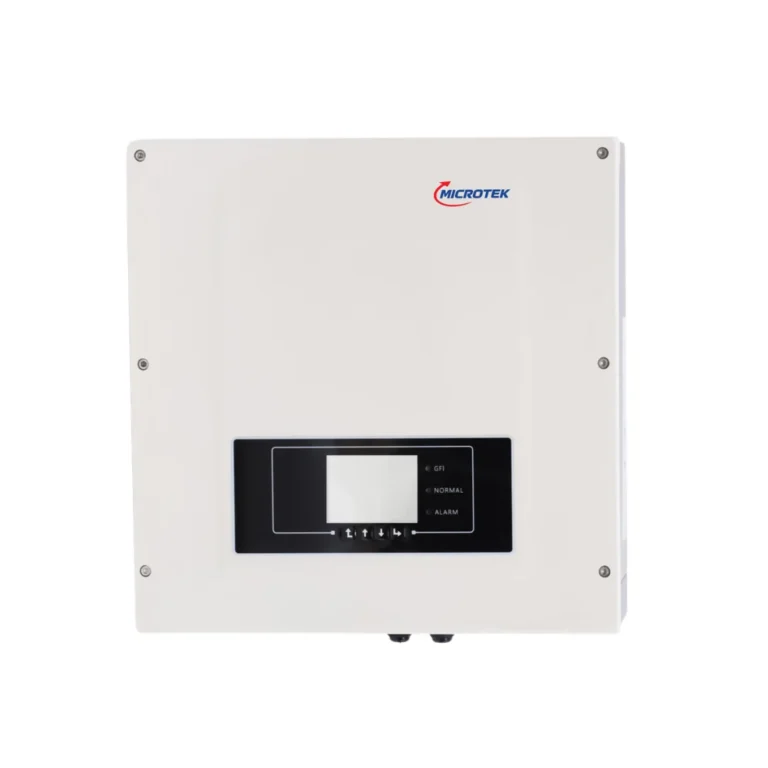
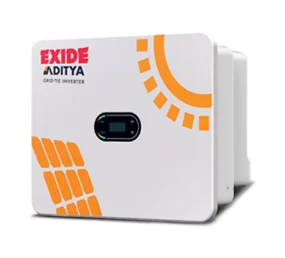
For net metering you need a grid-tied or hybrid inverter that synchronises with the grid and has anti-islanding protection, so that it shuts down when the grid fails. A battery-only PCU is not designed for export. See solar inverters and PCUs, including three-phase grid-tied inverters and Exide Aditya GTI. Ask your DISCOM whether it requires specific test certificates or an approved list. Our guide to inverter types explains the differences.
Metering
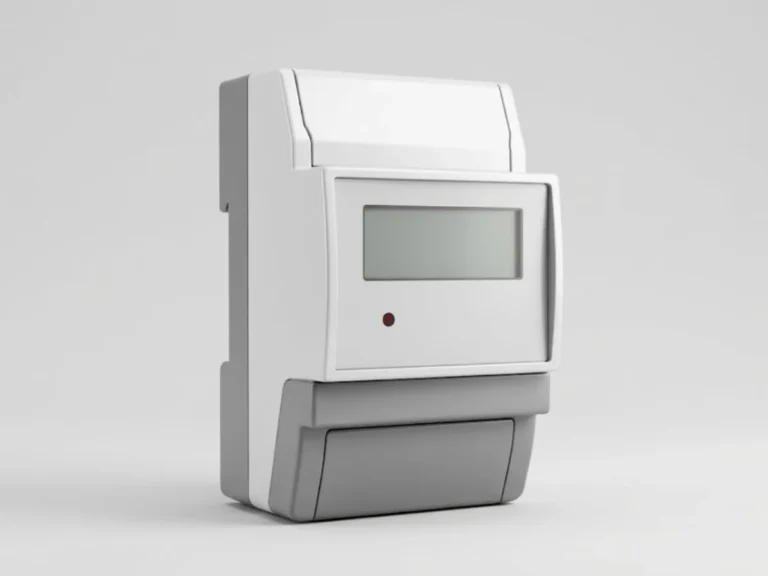
The bidirectional meter is normally specified or supplied through the utility. In larger installations, metering uses current transformers and a meter panel. Make sure the meter class, CT ratio and the location match the utility’s requirement. Related products are energy meters (kWh and kVAh), current transformers and meter panel boards. Also consider a separate solar generation meter on the ACDB for your own tracking.
Protection and isolation
The AC side normally needs a breaker, surge protection and a lockable isolation point that the utility can reach. This is the job of the AC distribution board; see ACDB, DCDB and junction boxes explained. Protection relays for larger plants may need to match utility settings; engage your electrical consultant.
Special points for commercial and industrial consumers
- Billing structure. If your tariff includes kVAh billing, maximum demand charges, or time-of-day rates, solar will not simply cut every component of the bill. Ask your designer to model the actual tariff, using your past bills.
- Power factor. A grid-tie inverter delivers close to unity power factor, but the plant’s own reactive load remains. Review your power factor correction after commissioning, and use the power factor calculator.
- Maximum demand. Cloud cover can bring maximum demand back during a peak. Do not assume solar reduces demand charges as much as it reduces energy.
- Generator interlock. If you have a standby genset, confirm with the inverter maker how the solar plant behaves when the genset supplies the building.
Timeline and sequencing
A sensible order is:
- Collect past bills and the sanctioned load details.
- Ask the DISCOM about eligibility, capacity limits and the application route.
- Fix system size; use the solar calculator and read how to estimate system size.
- Select equipment that meets utility requirements, then apply.
- Install, inspect and commission under the DISCOM’s process. Do not export before approval.
Subsidies or incentives may exist for some categories and states. Treat any subsidy as something to verify with the official source before it enters your project budget. For our solar range overall, see the solar solutions page.
What to send us for a quotation
For the equipment side, send the system size you plan, phase, the DISCOM name and any list of required inverter approvals or meter specifications they gave you. Send it through request a quote or contact us, and we will respond within 24 hours.
Frequently asked questions
Is net metering the same in every Indian state?
No. Eligibility, capacity limits, how surplus is credited, applicable charges and the application process are set by each State Electricity Regulatory Commission and implemented by each DISCOM, and they change over time. Always check the current rules with your own DISCOM before you buy equipment or sign a contract.
Do I need a special meter for net metering?
Yes, generally a bidirectional meter that records both import and export. Who supplies it and the specification it must meet are decided by your DISCOM. Ask for the requirement in writing before purchase, because some utilities install their own meter and others accept an approved make.
Can I use a hybrid or battery inverter for net metering?
Only if the inverter can synchronise with the grid and export, and your DISCOM allows it. A battery-based PCU designed for off-grid use cannot export. Check the datasheet for grid-tie operation and anti-islanding protection, and ask your DISCOM whether it needs particular test certificates.
Does solar reduce maximum demand charges for industry?
Not reliably. Solar cuts energy consumption in daylight, but on cloudy intervals the plant output drops and your demand from the grid can rise to its earlier level. Maximum demand charges depend on your tariff and load pattern, so model them with your past bills before expecting savings.