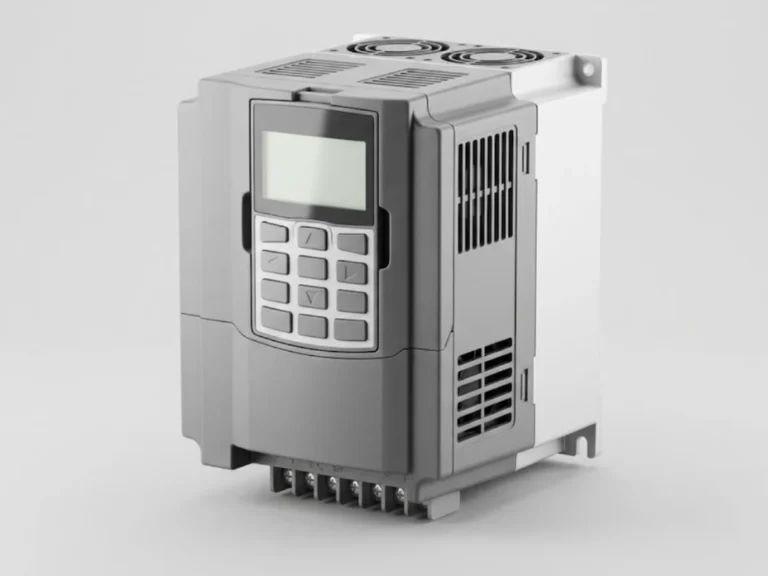
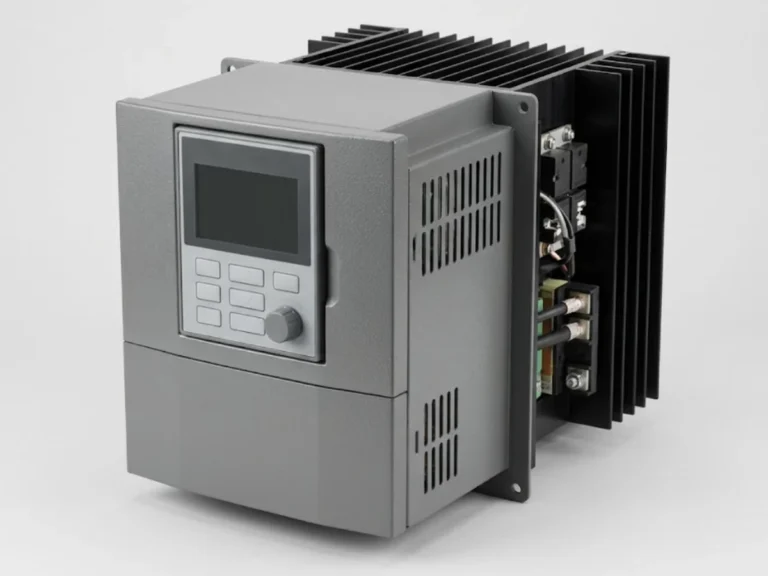
Drives & Motor Starters
DC Drives
Thyristor DC drives for speed control of DC motors in rolling mills, cranes and process lines.
- StandardIEC 61800-1
DC Drive
Browse the full range. Filter by category or feature, compare specifications and add items to your quote list.
Thyristor DC drives for speed control of DC motors in rolling mills, cranes and process lines.
Electronic starters that ramp motor voltage for smooth starting and reduced mechanical and electrical stress.
AC drives that control the speed of induction motors for process control and energy saving.
No products match your filters. or ask our engineers.
This category covers the three main ways to start and speed-control a motor electronically: variable frequency drives (AC drives), soft starters and DC drives. They are used on pumps, fans, compressors, conveyors, crushers, mills and winders.
Pick the device by what the load needs. A soft starter ramps voltage up so the motor starts gently, which cuts starting current to a few times full-load current (against 6 to 8 times for direct-on-line) and reduces mechanical shock, but the motor still runs at full speed. A VFD varies frequency and voltage, giving speed control and soft starting together. On centrifugal pumps and fans, power falls roughly with the cube of speed, so reducing speed by 20 percent cuts shaft power by about half, which is where VFDs repay their cost. DC drives control DC motors and are still found on mill and winder lines.
How to choose:
Estimate savings with the VFD energy savings calculator and cables with the motor current and cable calculator. Compatible AC motors are in our motors range.
A soft starter controls only the starting and stopping of an AC motor by ramping voltage, after which the motor runs at line speed, usually through a bypass contactor. A VFD changes frequency and voltage continuously, so it can run the motor at any speed. A VFD costs more but also saves energy on variable-flow loads.
Under the affinity laws, power varies roughly with the cube of speed for centrifugal loads, so a 20 percent speed reduction can cut power to about half, ignoring losses. Real savings depend on the system curve, static head and how many hours the load runs below full flow. The VFD savings calculator gives an estimate.
Match the VFD output current to the motor full-load current, with allowance for overload duty and ambient temperature, rather than selecting only by kW. Choose between variable torque and constant torque ratings. For high altitude or hot panels, derate. A qualified engineer should confirm the sizing for critical or heavy-starting loads.
A line reactor reduces harmonic current drawn from the supply and protects the drive from supply spikes, and is often recommended on weak supplies or with several drives. An output filter or dV/dt filter helps when the motor cable is long. The drive manual gives recommended cable length limits for your model.
DC drives are used where a DC motor is already installed, such as on rolling mills, winders and some cranes, and where the plant prefers not to replace the motor. New installations normally use an AC motor with a VFD, which avoids brush maintenance. The decision depends on the existing motor condition and downtime for conversion.
A practical overview of overcurrent, earth fault and motor protection relays: what each function does, how IDMT curves and grading work, and what to specify when…
7 min readSolar & Energy EfficiencyFactory energy monitoring starts with the right measurements: kWh, demand, power factor, load profile and machine-level data. Here is what to measure and how.
6 min read