AC Motor from SKE Bharat
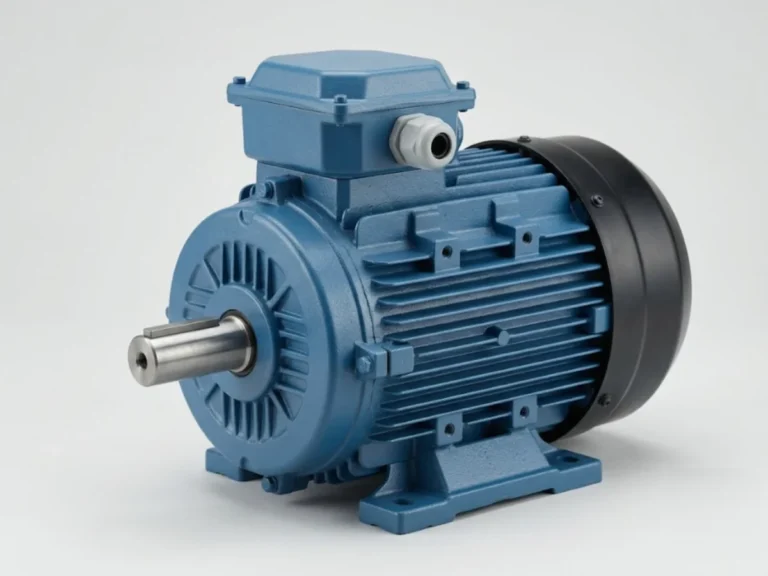
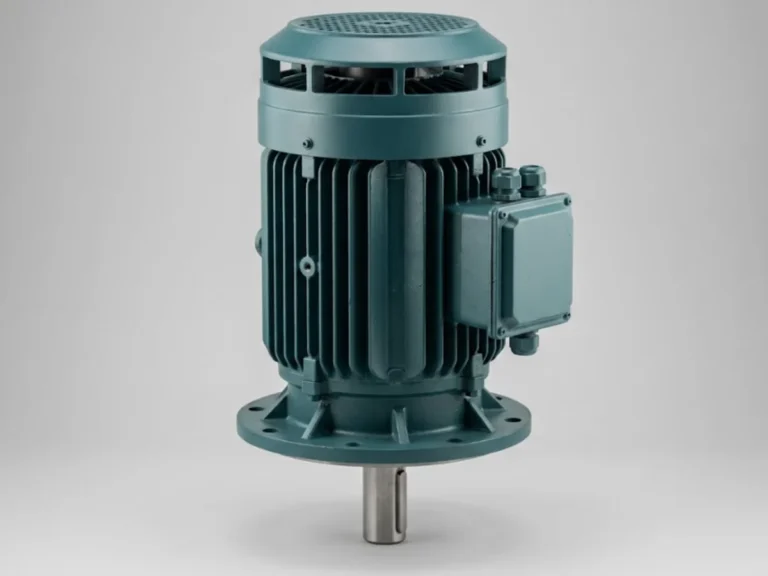
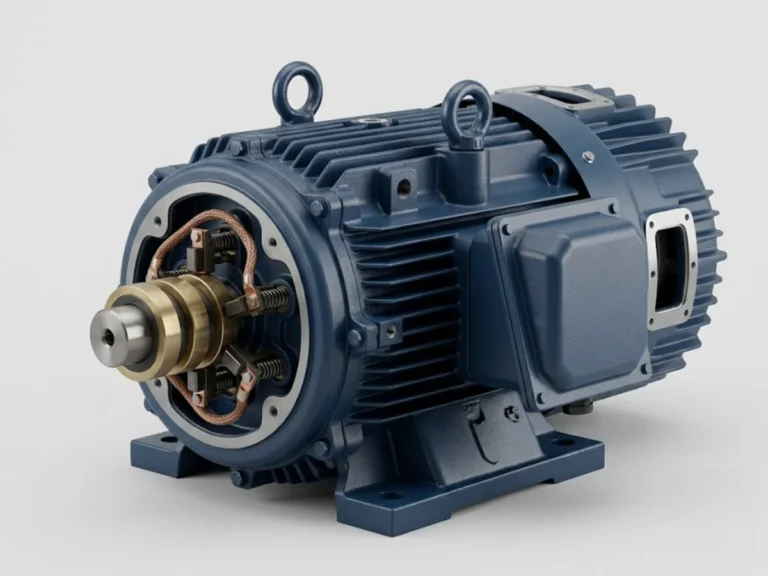
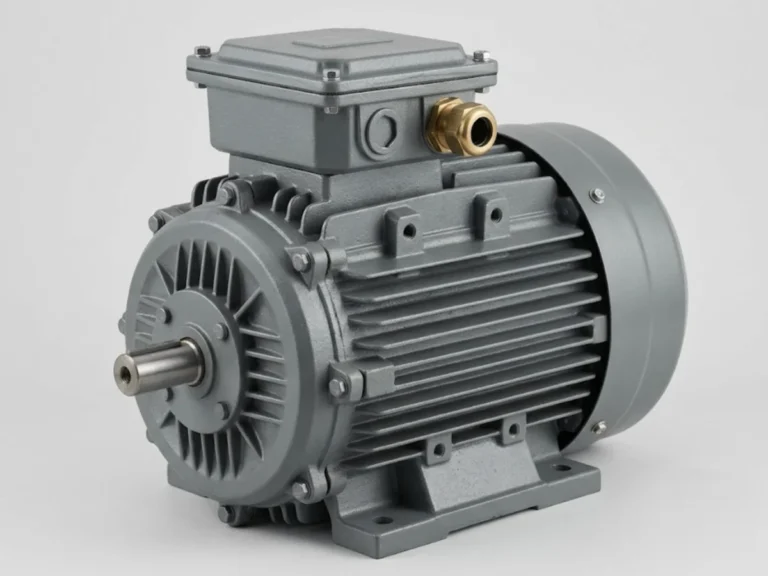
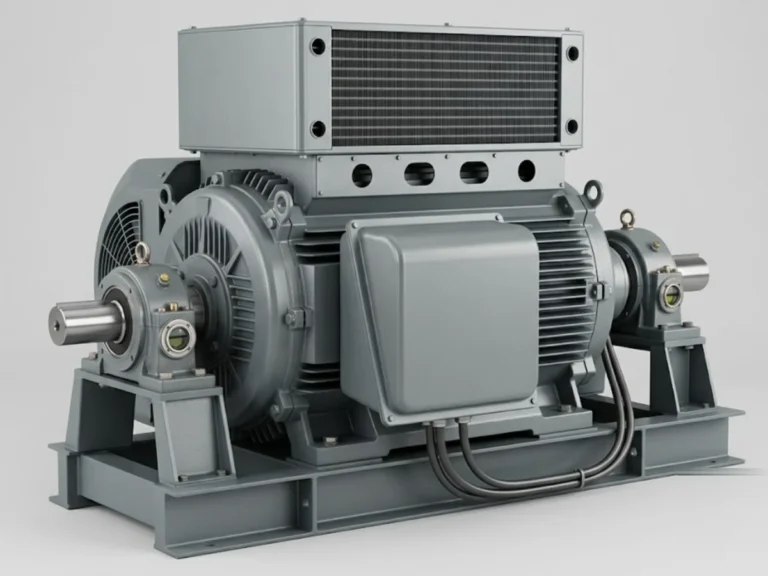
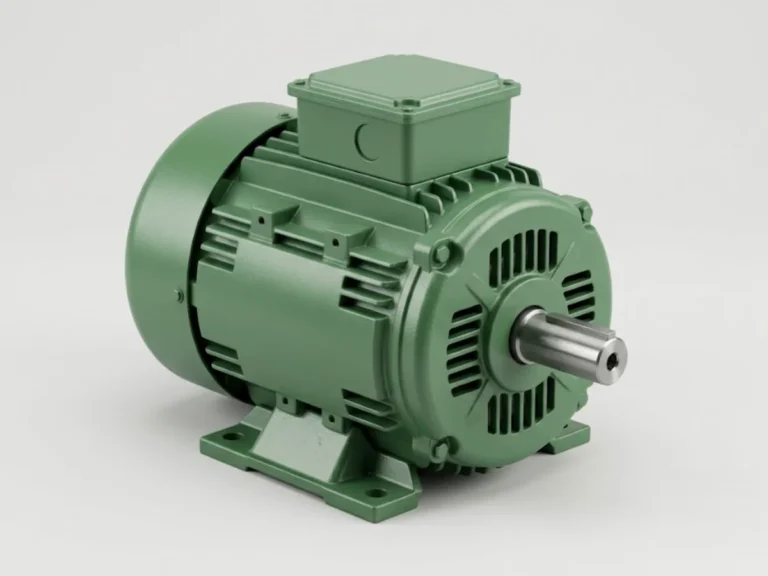
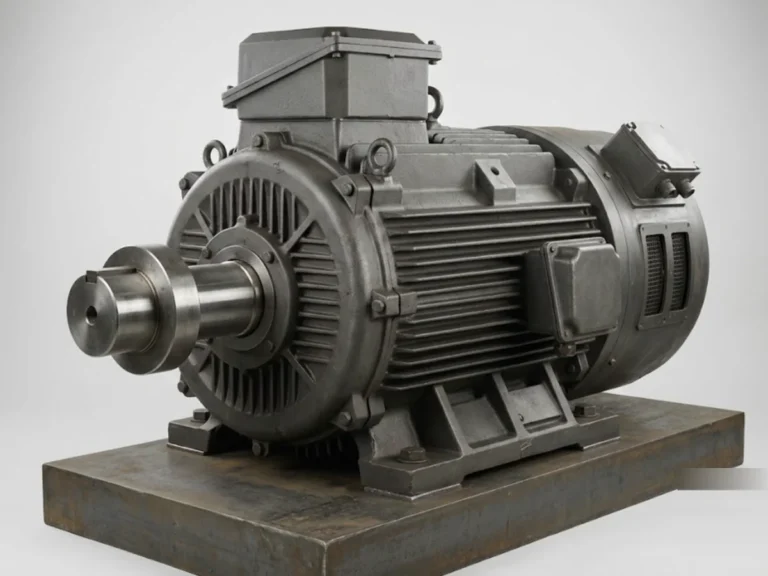
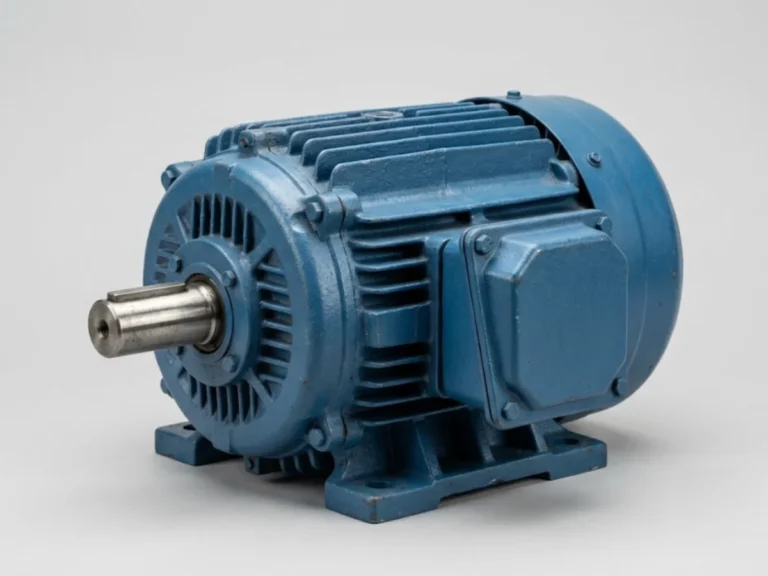
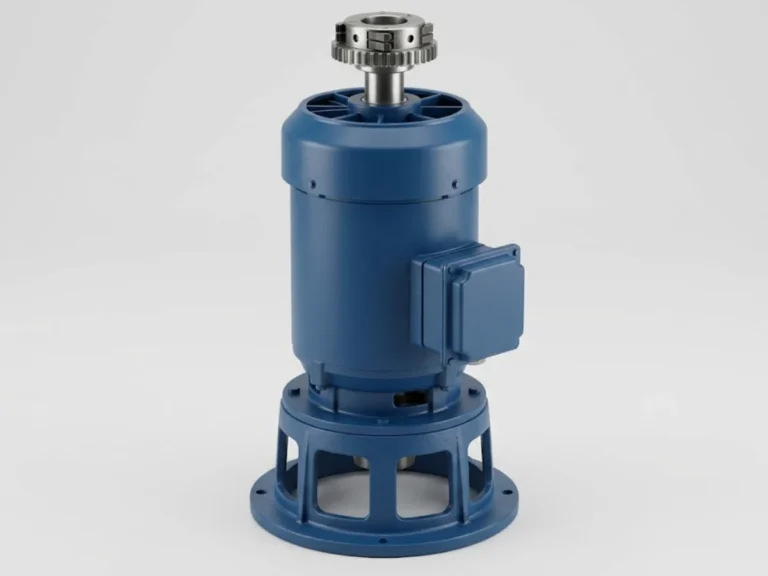
These AC motors cover the full spread of industrial duties, from open and closed cage motors for pumps and fans to slip-ring machines for crane and rolling-mill work. The range includes flameproof motors and non-sparking motors for hazardous areas, high-voltage motors for large compressors and pumps, vertical hollow shaft motors for vertical turbine pumps, and cooling tower, roller table and rerolling mill duty machines.
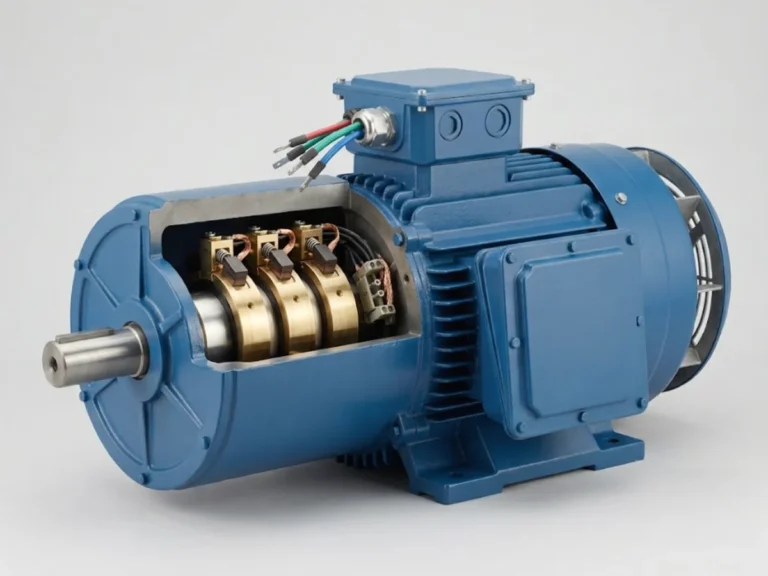
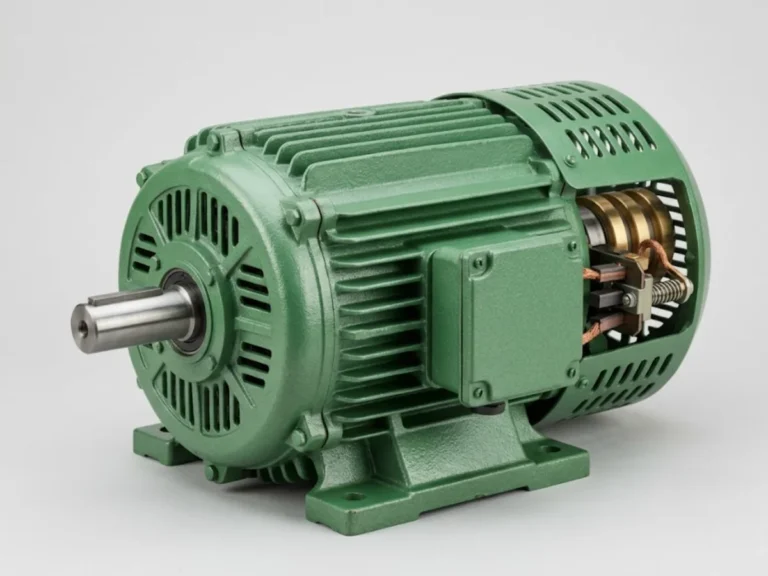
The split that matters most is cage versus wound-rotor. A cage motor is the simplest and cheapest to keep running, but its starting current is high and its starting torque fixed by the rotor design. A wound-rotor (slip-ring) motor lets you add external resistance to cut starting current and raise starting torque, which suits heavy, frequently started loads such as cranes and some mills. Open types breathe site air for cooling and suit clean rooms and indoor halls; closed (TEFC) types keep dust and moisture out.
How to choose:
- Match the enclosure to the site first: open drip-proof for clean indoor spaces, closed fan-cooled for dust, damp or outdoor locations.
- For hazardous areas, state the gas group and temperature class so the flameproof or non-sparking construction is correct.
- For intermittent duty, give the duty cycle and starts per hour, not only the kW.
- For vertical pump drives, confirm the non-reverse ratchet and thrust requirement.
Use the motor current and cable calculator to size supply cable, and compare with the wider motors range if you also need DC or brake types.
Frequently asked questions
What is the difference between a squirrel-cage and a slip-ring motor?
A squirrel-cage motor has a fixed, short-circuited rotor, so it is simple and low maintenance but draws a high starting current. A slip-ring (wound-rotor) motor brings the rotor winding out to slip rings so external resistance can be added, reducing starting current and increasing starting torque. It needs more maintenance on rings and brushes.
When do I need a flameproof motor instead of a non-sparking motor?
A flameproof motor (Ex d) is built so an internal explosion cannot ignite the outside atmosphere, and is used where flammable gas can be present in normal operation or during faults. A non-sparking motor (Ex n type) is meant for areas where gas is unlikely in normal operation. The area classification drawing decides, and a qualified engineer should confirm it.
How do I choose between open and closed type motors?
Open motors are cooled by drawing room air through the windings, so they run cooler for the frame size but need clean, dry surroundings. Closed fan-cooled motors keep dust and water out and are the safer default for foundries, cement, textile and outdoor pump houses. Choose the IP rating to match the dust and water exposure at site.
What is crane duty rating on a motor?
Crane duty motors are rated for intermittent, high-start-frequency duty, commonly stated as S3 with a cyclic duration factor such as 40 percent, with high overload torque and robust rotor construction. A continuous-duty motor of the same kW will overheat on a crane. Give the duty class, starts per hour and load inertia when ordering.
Which motors suit vertical turbine or borewell pump drives?
Vertical hollow shaft motors are normally used, because the pump shaft passes through the rotor and is held at the top by a coupling nut. They typically include a non-reverse ratchet to stop reverse spin on shutdown and a thrust bearing sized for the pump's axial load. Share the pump thrust figure and shaft diameter for selection.