Cable Lugs & Glands
Cable Lugs & Glands
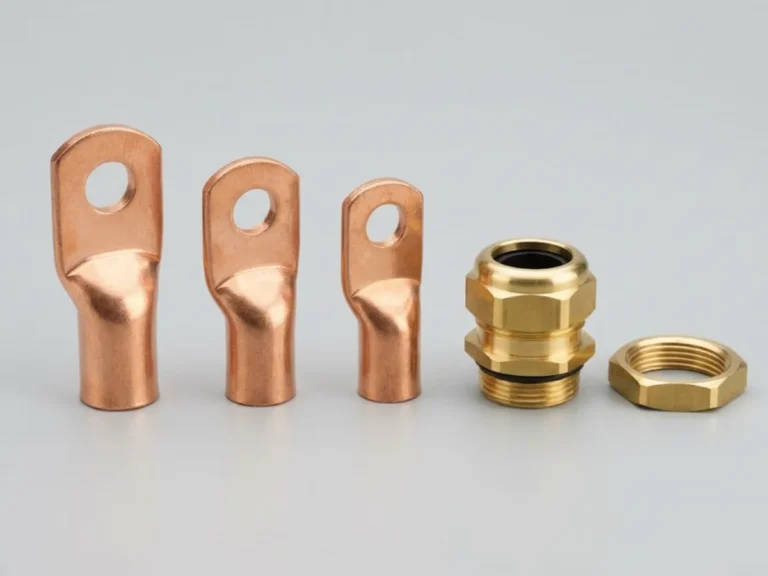
Crimp lugs and cable glands for terminating power and control cables.
- StandardIS 8309 (lugs), IEC 62444 (glands)
Browse the full range. Filter by category or feature, compare specifications and add items to your quote list.
Crimp lugs and cable glands for terminating power and control cables.
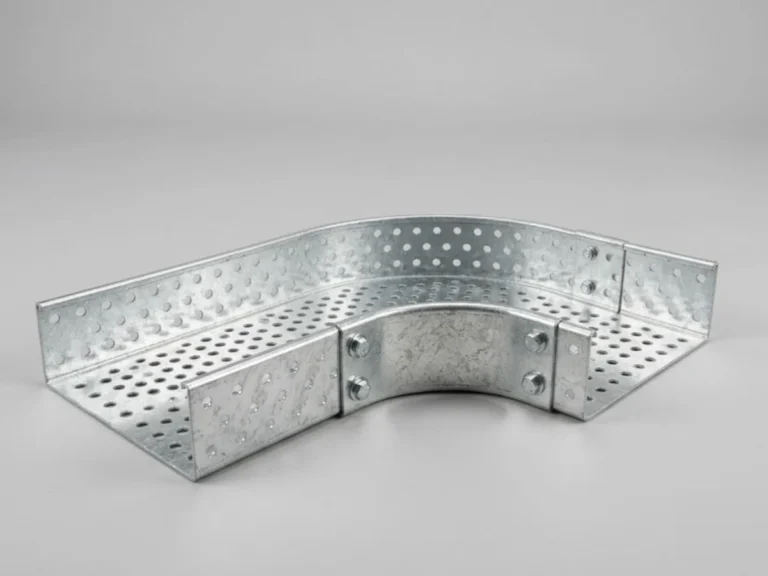
Perforated, ladder and wire-mesh trays with bends, tees and supports.
Earthing electrodes, strips, earth pits and accessories for earthing and lightning protection.
No products match your filters. or ask our engineers.
Cables are only as good as their terminations, supports and earth. This category lists cable trays and accessories for routing, cable lugs and glands for terminating, and earthing materials, including earth pits, electrodes and strips, for the grounding system.
Trays come perforated, ladder and solid-bottom types, in hot-dip galvanised or painted steel, and are chosen by cable weight, span between supports and the number of layers. Lugs must match both the conductor size and the stud or terminal: a copper lug on an aluminium conductor, or the wrong crimp die, gives a hot joint that fails months later. Glands hold the armour, seal the entry and maintain the enclosure's IP rating, and they must suit the cable outer diameter and thread of the box. Earthing is a design in its own right, covered by IS 3043, with the number of electrodes and the strip route depending on soil resistivity and fault current.
What to specify:
These accessories pair with power and control cables. For crimping, the right tools are in crimping and termination tools, and a qualified engineer should design earthing for the site.
A cable tray is an open support that carries many cables with good heat dissipation and easy additions, and is used in plants and substations. Conduit is a closed pipe that protects a few cables from damage and is common for final runs to equipment. Large power installations usually use trays for the main routes and conduits for drops.
Match the gland to the cable's outer diameter, armour type, the thread size and type on the enclosure, the required IP rating and, for hazardous areas, the Ex certification. Armoured cables need a gland that grips the armour for earth continuity, usually a double-compression type. Measure the cable over its outer sheath before selecting.
Common causes are the wrong lug size, the wrong die or too little crimp pressure, a damaged conductor, and mixing aluminium and copper without a bimetallic lug. A loose joint heats up, oxidises and heats further. Use the correct tool, check the crimp by pull and visual inspection, and torque bolted joints to specification.
The required value comes from the project specification and the type of installation. Substations and large power systems normally target a very low value, often 1 ohm or below, while smaller installations accept a few ohms. Soil resistivity, fault current and touch voltage limits decide the design. Follow IS 3043 and the advice of a qualified engineer.
Pipe earthing uses a galvanised iron or copper-bonded pipe driven or buried in a pit, with salts or backfill compound to hold moisture. Plate earthing uses a buried copper or GI plate. Pipe electrodes are the more common choice because they reach deeper, moister soil layers. The choice depends on soil and space.
A practical guide to earthing in industrial plants: electrodes, earth pits, strips and conductors, resistance testing and what the IS 3043 code of practice covers in…
7 min readTransformers & Power QualityDecode the vector group on a transformer nameplate: what Dyn11, Dyn1 and YNyn0 mean, how the 30 degree phase shift works and why it matters for…
7 min readPumps, Cables & Buying GuidesHow to match lugs to conductors, glands to cable types and trays to the route, so terminations stay tight and cable runs stay safe and tidy.
7 min read