Cable Lugs & Glands
Cable Lugs & Glands
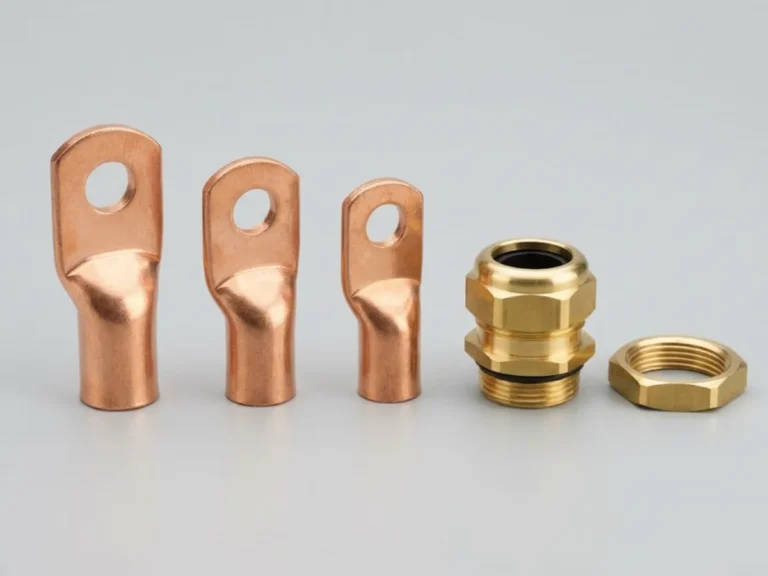
Crimp lugs and cable glands for terminating power and control cables.
On request- StandardIS 8309 (lugs), IEC 62444 (glands)
Download specification sheet (PDF)
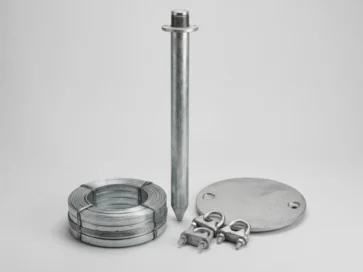
Earthing electrodes, strips, earth pits and accessories for earthing and lightning protection.
Every field is optional - tell us what you know and we will confirm the rest in the quotation.
Representative image. The actual product, make and appearance depend on the supplier and your specification.
Also searched as: earth pit, earthing pit, chemical earthing, earthing electrode, earthing strip, copper bonded earth rod
Start from the soil, not the catalogue. Earth resistance depends on soil resistivity, moisture and how deep the electrode reaches, so a rocky or dry site may need chemical or maintenance-free electrodes, deeper boring or several electrodes in parallel, while wet clayey ground often manages with a plain pipe or plate electrode.
Common mistakes: buried joints left unprotected, no inspection chamber, and no test link, which makes periodic resistance testing impossible. On site, measure resistance with an earth tester in dry weather and keep records. See also cable lugs and glands and the wider cable accessories and earthing range.
Ratings, dimensions and certification are confirmed against your enquiry. Use Send an enquiry and our engineers will respond within 24 hours.
It depends on the resistance you must achieve, the fault current and the layout. A single pit is rarely enough for a substation, which usually has a buried grid with several interconnected electrodes. The count comes from soil tests and the earthing design, so share the soil data and fault level with your enquiry.
Yes. Check resistance with an earth tester at regular intervals, preferably before and after the dry season, tighten and inspect connections, and top up moisture or treatment where the design requires it. Maintenance-free electrodes reduce the work but still need periodic testing to confirm the value has not drifted.
An earth pit is an electrode, such as a pipe, plate or rod, buried in the ground and connected to the equipment earth. It gives fault current a low-resistance path to earth, so protective devices operate and dangerous voltage on metal parts is limited.
Common types are pipe, plate and chemical earthing. Electrodes are made of GI, copper or copper-bonded steel. The choice depends on the soil resistivity, space available, the resistance you need to reach and the number of pits.
The value depends on the installation and on the standard and project specification, with IS 3043 as the earthing code. Resistance is checked with an earth tester and depends on soil, moisture and the electrode arrangement.
SKE Bharat is a supplier based in Rajaji Nagar, Bangalore, supplying across India. Send the electrode type, size and material, strip size, number of pits and accessories such as chamber covers, and a quotation follows within 24 hours.
| Product Type | Earthing material |
|---|---|
| Standard | IS 3043 (earthing code) |
| Selection Basis | Type (pipe / plate / chemical), size, material (GI / copper / copper-bonded), soil resistivity target, number of pits |
| Typical Use | Earthing and lightning protection |
Crimp lugs and cable glands for terminating power and control cables.
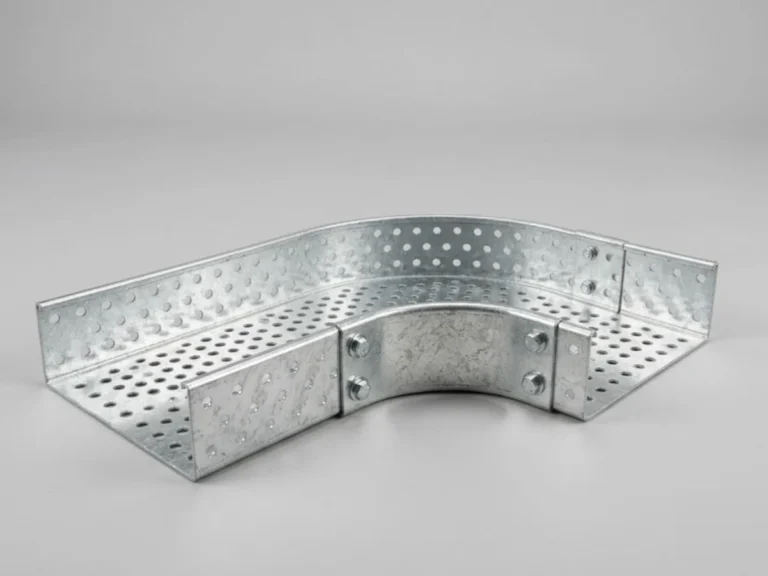
On requestPerforated, ladder and wire-mesh trays with bends, tees and supports.
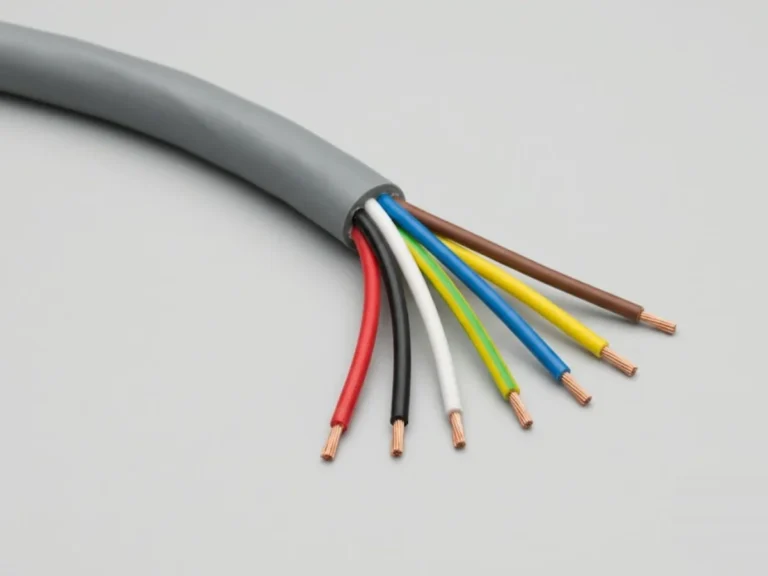
On requestMulticore cables for control, interlock and signal wiring between panels, drives and field devices.
On requestPower cables for carrying electricity from supply to loads, in LT and HT grades with copper or aluminium...
On requestA practical guide to earthing in industrial plants: electrodes, earth pits, strips and conductors, resistance testing and what the IS 3043 code of practice covers in…
7 min readTransformers & Power QualityDecode the vector group on a transformer nameplate: what Dyn11, Dyn1 and YNyn0 mean, how the 30 degree phase shift works and why it matters for…
6 min readPumps, Cables & Buying GuidesHow to match lugs to conductors, glands to cable types and trays to the route, so terminations stay tight and cable runs stay safe and tidy.
7 min read