Battery Chargers & DC Power Supplies
Battery Chargers & DC Power Supplies
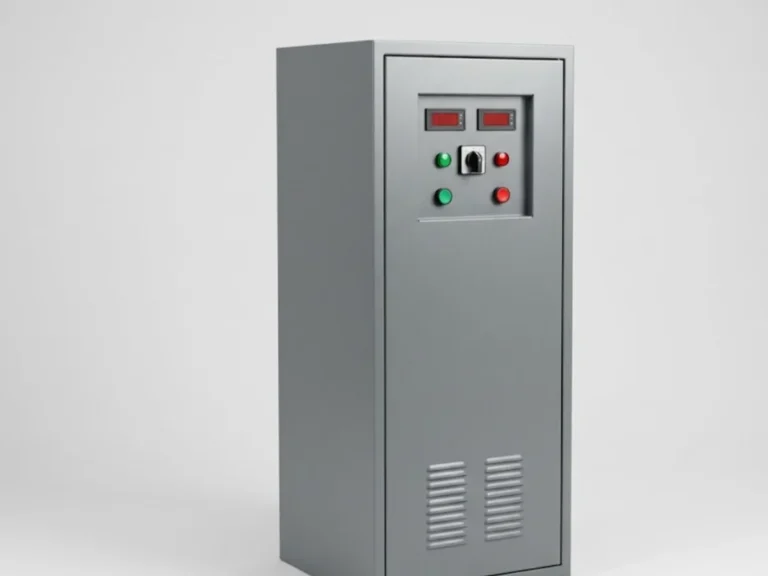
Float-and-boost chargers and DC power supplies for stationary battery banks.
- StandardIEC 62040-3 (UPS), IEC 61204 (power supplies)
 Batteries in association with MARC Traders
Browse the full range. Filter by category or feature, compare specifications and add items to your quote list.
Float-and-boost chargers and DC power supplies for stationary battery banks.
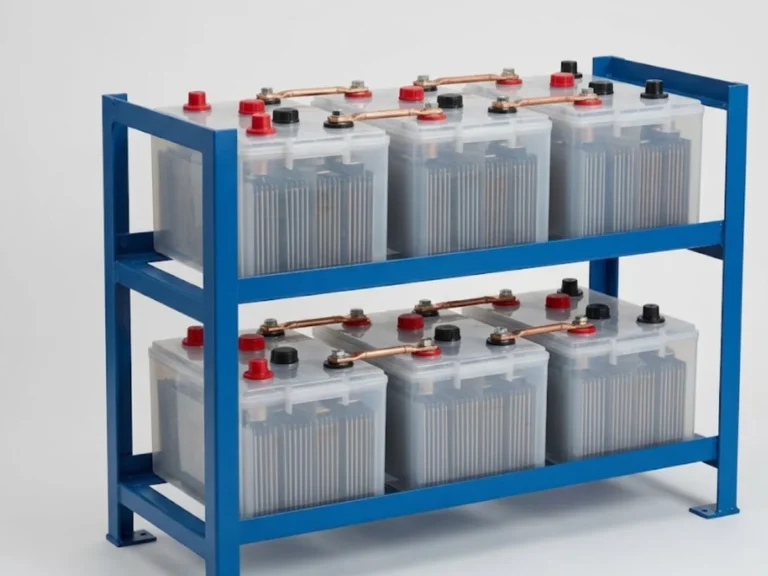
Racks, stands and interconnecting cables for battery banks.
No products match your filters. or ask our engineers.
A battery bank is only as dependable as its charger and its installation. This category covers battery chargers and DC power supplies, and battery racks, stands and cables for stationary banks in substations, power plants, telecom rooms and industrial control rooms.
The charger must suit both the battery type and the load. For switchgear control and tripping supplies, a float-cum-boost charger holds a flooded or VRLA bank at float voltage, supplies the DC load directly and recharges the battery after a discharge. The float voltage per cell is different for flooded, VRLA and Ni-Cd cells, and it should be temperature-compensated for VRLA. Setting it wrongly is the most frequent cause of early battery failure: too low causes sulphation, too high dries out VRLA cells.
Selection checklist:
Racks should leave clear access for inspection, and cable sections should limit voltage drop at peak discharge current. The batteries themselves are in the industrial and standby batteries range, and the battery backup calculator helps estimate capacity.
A battery charger is built to charge a battery with a controlled voltage and current profile. A DC power supply gives a regulated DC output for equipment. Many industrial units combine both: a charger-cum-DC supply feeds the load and keeps the battery on float, so equipment keeps running during a mains failure.
Add the continuous DC load current to the current needed to recharge the battery in the required time. As a rough guide, charging current of 10 to 20 percent of the battery Ah rating is common, but follow the battery maker's limit. For example, a 200 Ah bank and 20 A load would need about 40 to 60 A charger.
Float voltage is the constant voltage that keeps a battery fully charged without overcharging. It differs for flooded, VRLA and Ni-Cd cells, and drops as temperature rises. Too low a voltage causes sulphation and loss of capacity, while too high a voltage causes gassing and drying out. Set it as recommended by the battery maker.
Racks give a stable, level support, keep cells off a damp floor, allow inspection and ventilation and keep the intercell connectors short. Stationary cells are heavy, so the rack must be designed for the load and the floor must support it. For seismic and safety needs, follow the site specification.
Many users check voltage, electrolyte level (for flooded cells), terminal tightness and room temperature at regular intervals such as monthly, with a fuller capacity test annually or as specified. The schedule depends on the criticality and the battery maker's maintenance manual, so follow those and keep records.
Float, boost, equalise and trickle are the four stages of stationary battery charging. Learn what each does, typical voltages per cell, how to size a charger…
6 min readBatteries, Inverters & UPSBattery life is mostly decided by habits, not luck. A checklist of the routine checks, charging settings and storage practice that keep inverter and industrial batteries…
6 min readBatteries, Inverters & UPSHow tall tubular, flat plate and SMF batteries differ in construction, life, upkeep and cost, and which one fits your inverter and the power cuts you…
6 min read