Industrial & Standby Batteries from SKE Bharat
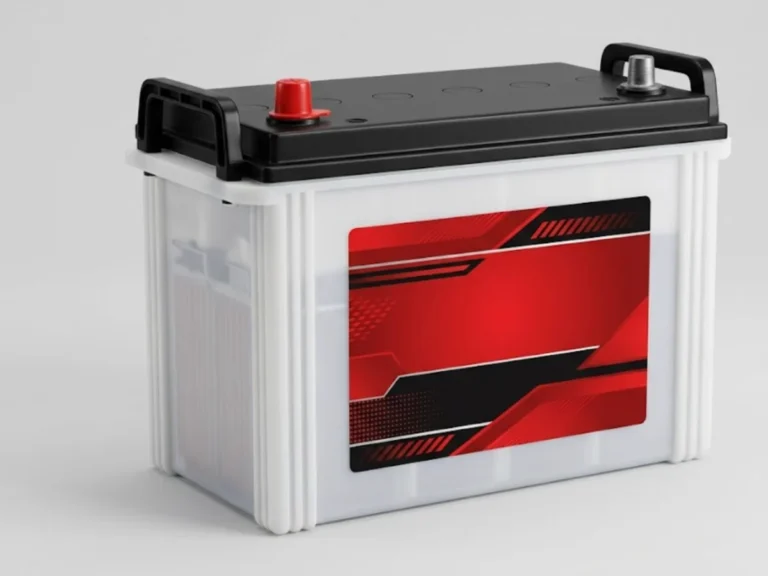
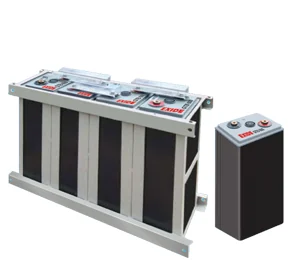
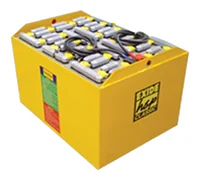
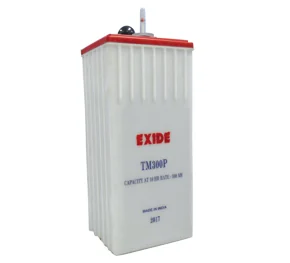
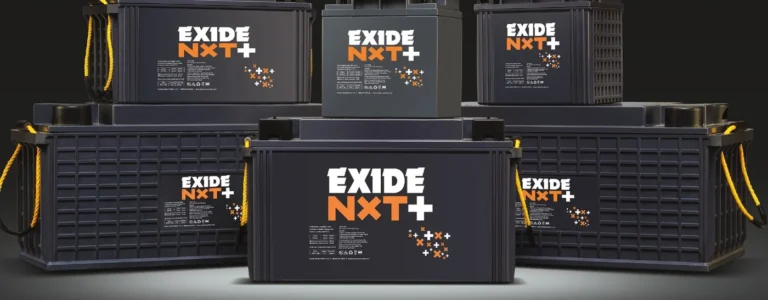
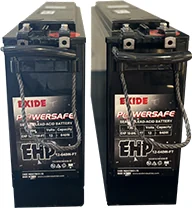
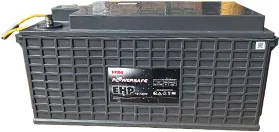
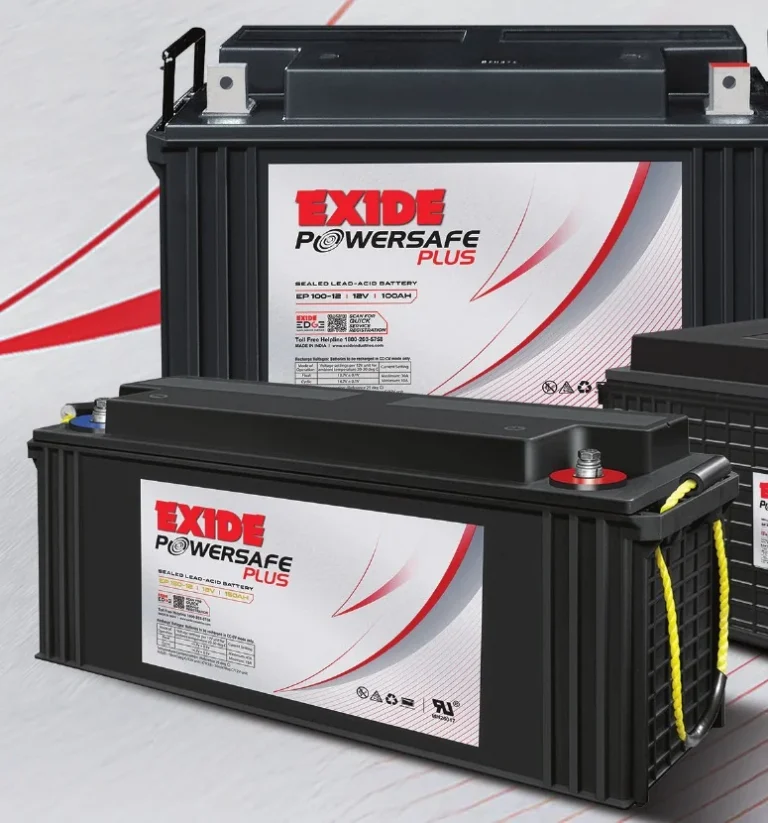
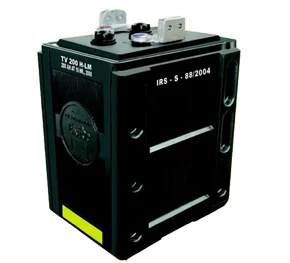
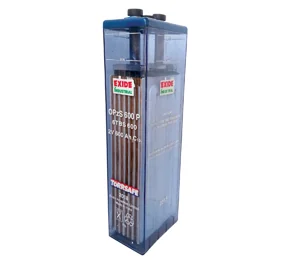
These batteries keep critical loads running when mains power fails: switchgear control and tripping supplies, telecom exchanges and towers, data centres, substations, power plants, railways and genset starting. The listing includes Exide ranges such as TBS and OPzS tubular standby cells, Plante batteries, Powersafe VRLA for data centres, telecom VRLA, motive power for forklifts, railway and genset batteries.
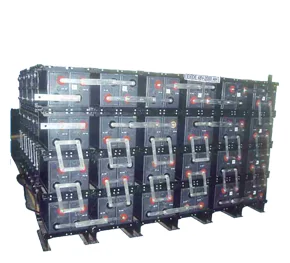
Most standby systems are 2 V cells connected in series to reach 24, 48, 110 or 220 V DC. Tubular flooded cells give a long design life but need a ventilated, acid-resistant room. VRLA cells save floor space and maintenance, and front-terminal designs fit telecom and data centre racks. Plante cells are used where very long life matters. If you want a different chemistry, Ni-Cd batteries are an alternative for harsh temperatures and switchgear duty.
When selecting:
- DC bus voltage, capacity in Ah at a stated discharge rate and end-of-discharge voltage per cell.
- Autonomy time and load profile, not just the average load; a heavy load for a short period needs checking against the discharge table.
- Design life, ambient temperature at the battery room and ageing factor.
- Flooded or VRLA, terminal position and rack or stand layout.
- A suitable charger and DC power supply with float and boost charging.
Standards include IS 1651 for stationary cells, IS 1652 for Plante cells and IS 15549 for VRLA batteries. Use the battery backup calculator as a first estimate, and let a qualified engineer finalise the bank size.
Frequently asked questions
What is the difference between a flooded and a VRLA standby battery?
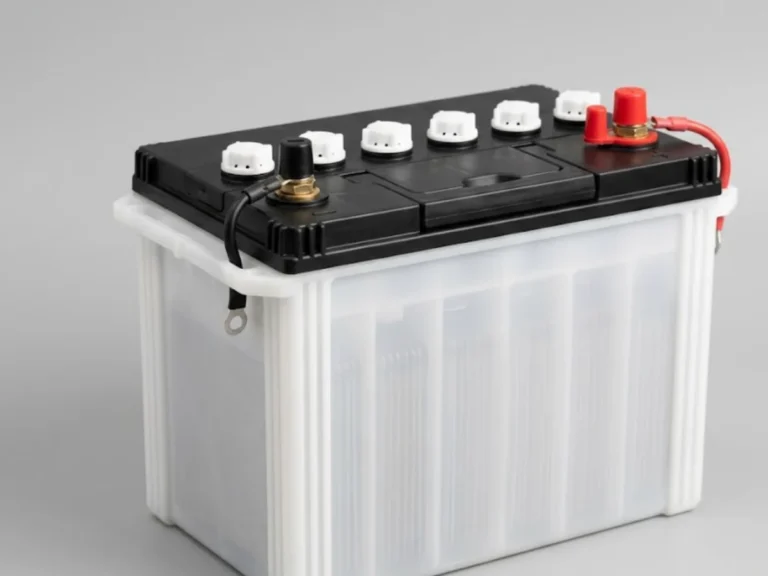
A flooded battery has liquid electrolyte, needs water topping, vents gas and needs a separate ventilated room, but is long-lived and tolerant. A VRLA battery is sealed, recombines gas, needs no topping and can sit in the same room as equipment, but is more sensitive to high temperature and overcharging. Choose on environment and maintenance capability.
What is an OPzS cell?
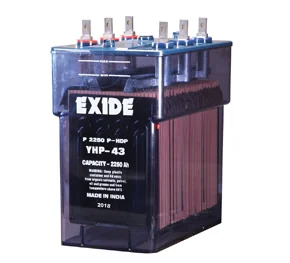
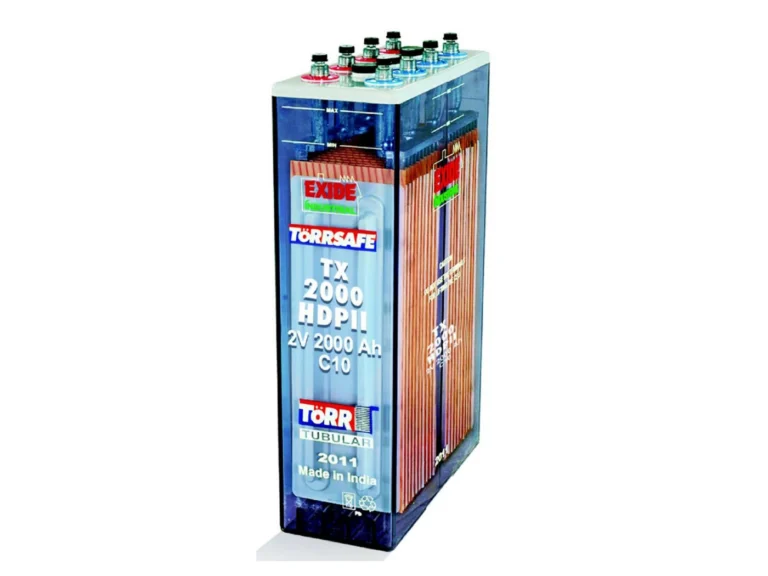
OPzS is a type of flooded 2 V stationary cell with tubular positive plates, a transparent container for visual level inspection, and a long design life. It is used in power plants, substations and telecom where reliability matters. The related OPzV is the gel, valve-regulated form. Check the exact ranges available for your requirement.
How do I size a battery bank for a substation or control supply?
List all DC loads with their duration (continuous and short-time such as breaker closing), build the load profile, then find the capacity from the cell discharge tables for the required end voltage. Apply factors for ageing, temperature and design margin. Most utilities specify the method, so follow the project specification and have an engineer sign off.
What is float and boost charging?
Float charging holds the battery at a constant voltage that keeps it full without overcharging, so it is ready when needed. Boost charging uses a higher voltage to recharge quickly after a discharge. The correct voltages per cell depend on battery type and temperature, so set the charger according to the battery maker's guidance.
What is the difference between standby and traction batteries?
Standby batteries are built for long periods on float and occasional discharge. Traction or motive power batteries power forklifts and electric vehicles and are built for daily deep cycling, with thick tubular plates and robust containers. They are not interchangeable: using a standby cell in cycling duty shortens its life.