Selection notes
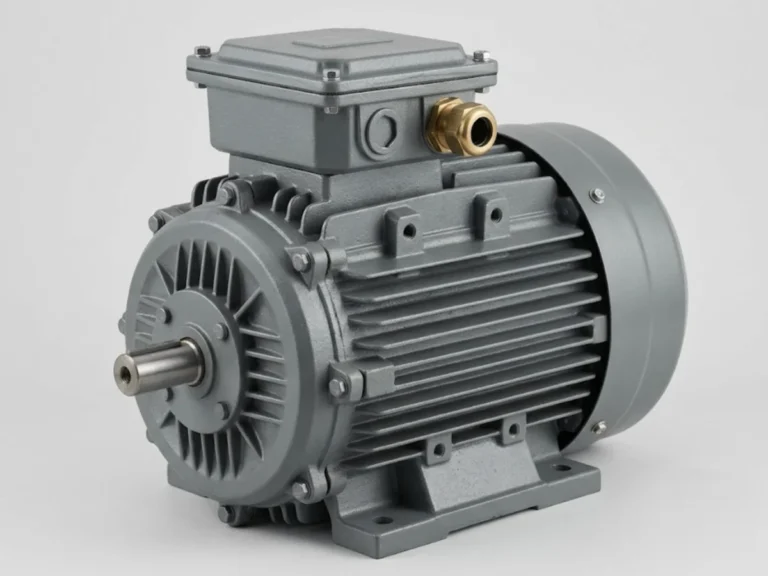
Non-sparking motors are built so that arcs, sparks and hot surfaces are avoided in normal service, which is why they are limited to Zone 2 areas. If a hazardous atmosphere could appear in normal operation, this is not the right protection, and a flameproof motor is needed.
- Area classification: confirm the zone, gas group and temperature class with the site safety documents before choosing. This decides whether Ex nA is acceptable.
- Temperature class: motor surface temperature must stay below the ignition temperature of the gas; with a VFD, ask whether the certificate covers inverter feeding.
- Cost and maintenance: simpler than flameproof construction, but repairs must preserve the certified design.
- Accessories: glands, terminal box and earthing must also be suitable; see cable glands.
Mistakes include assuming a standard motor is acceptable, reusing an old certificate for a rewound motor, and ignoring dust hazards. For a higher protection level, see flame proof motors. Hazardous-area equipment choice should be reviewed by a qualified engineer. Our team can help with documents for the applicable zone.
Frequently asked questions
When is a non-sparking motor acceptable?
Only where the area classification allows Zone 2, meaning an explosive atmosphere is unlikely in normal operation and short-lived if it occurs. If the classification is Zone 1, you need a higher protection concept such as flameproof. Check with your safety officer.
Can a non-sparking motor be used with a VFD?
Only if the certification explicitly covers inverter-fed operation and the temperature class is verified for that duty. Not all certificates do. Tell us the drive and speed range so the right documents can be requested.