Selection notes
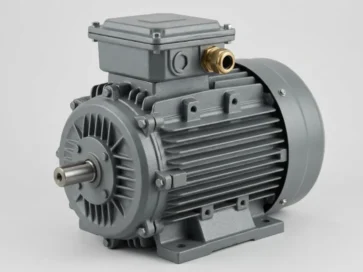
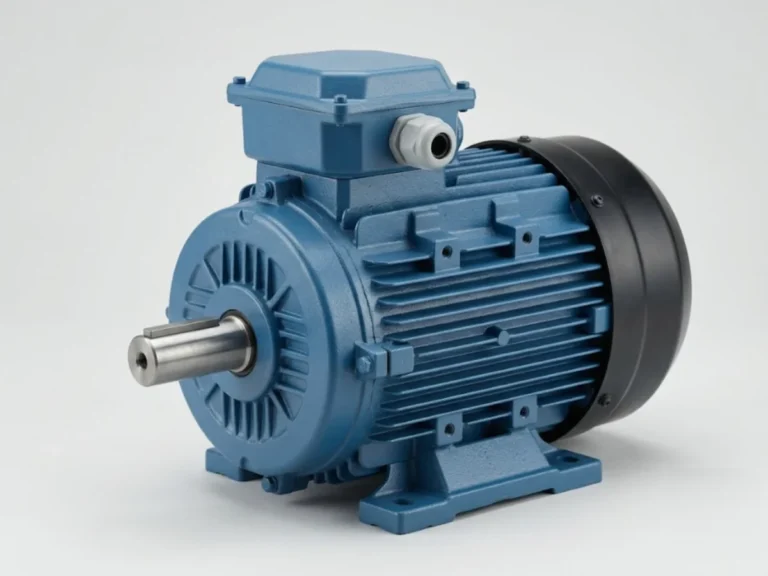
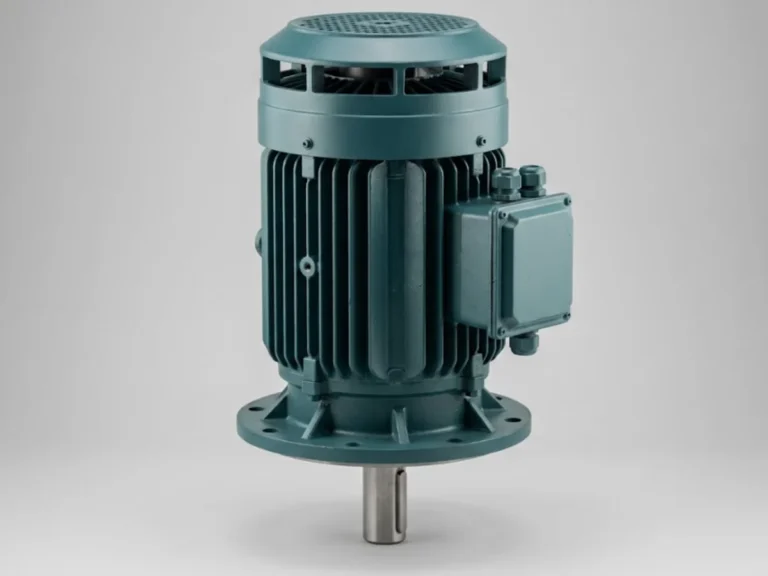
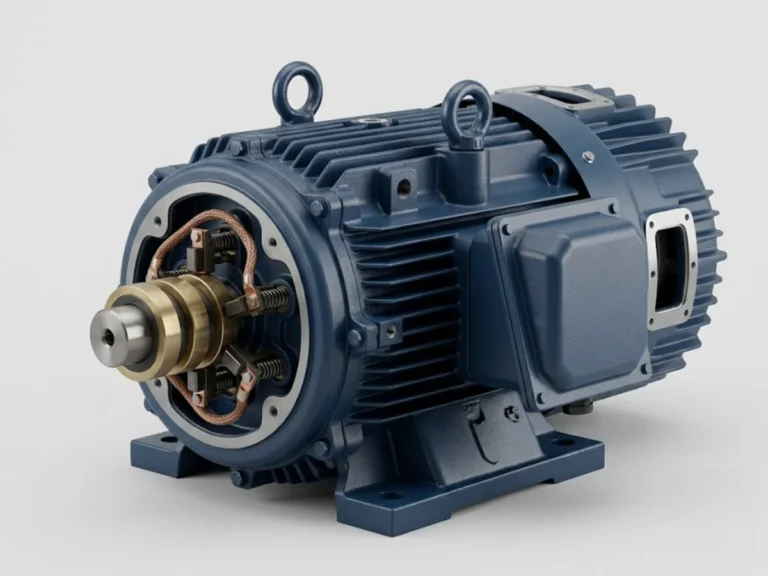
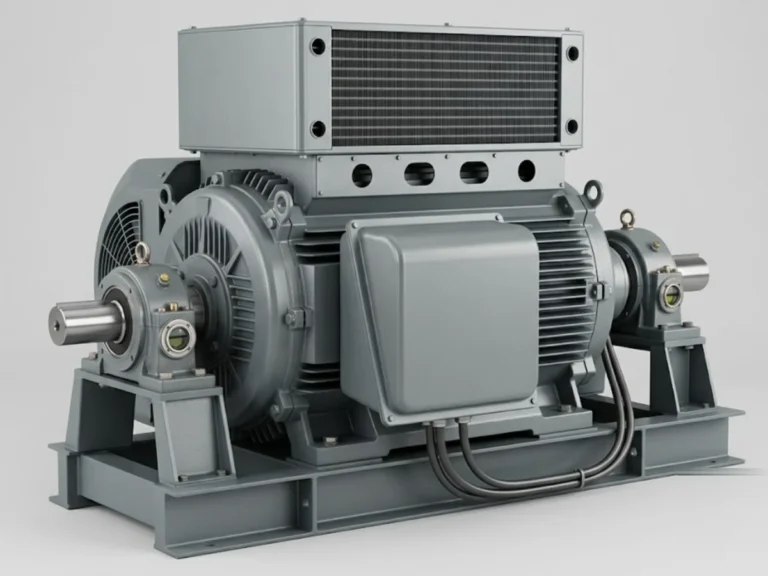
Flameproof (Ex d) construction lets an explosion occur inside the enclosure without igniting the atmosphere outside, so certification details matter more than anything else. Get the area classification: zone, gas group (such as IIA, IIB or IIC) and temperature class.
- Match the certificate: the gas group and temperature class on the nameplate must be at least as demanding as the site requires. A group IIC area needs a motor certified for IIC.
- Frame, voltage and kW: flameproof frames are heavier and the ratings for each frame are limited, so check availability.
- Cable entry: use certified glands and stopping boxes, and do not alter flamepaths. Read about cable glands.
- VFD operation: the certificate must permit it, often with sensors.
Mistakes include painting over flamepaths, opening a motor after energising, and repairs by workshops without hazardous-area experience. Document the installation for inspection. For hoists, see flame proof motor with brake; for lower-risk Zone 2 there is also a non-sparkling motor. A qualified engineer should confirm selection.
Frequently asked questions
What does the gas group on a flameproof motor mean?
Gas groups (IIA, IIB, IIC) classify gases by how easily they ignite and how narrow a gap a flame can pass. The motor's flamepath must suit the group. A motor certified for a more demanding group can usually serve a less demanding one.
Can I repair a flameproof motor in an ordinary workshop?
Repairs must keep flamepaths, clearances and certification intact, so use a workshop experienced with hazardous-area equipment. Incorrect repairs can make the motor unsafe, even if it runs. Records of repairs should be kept for inspection.