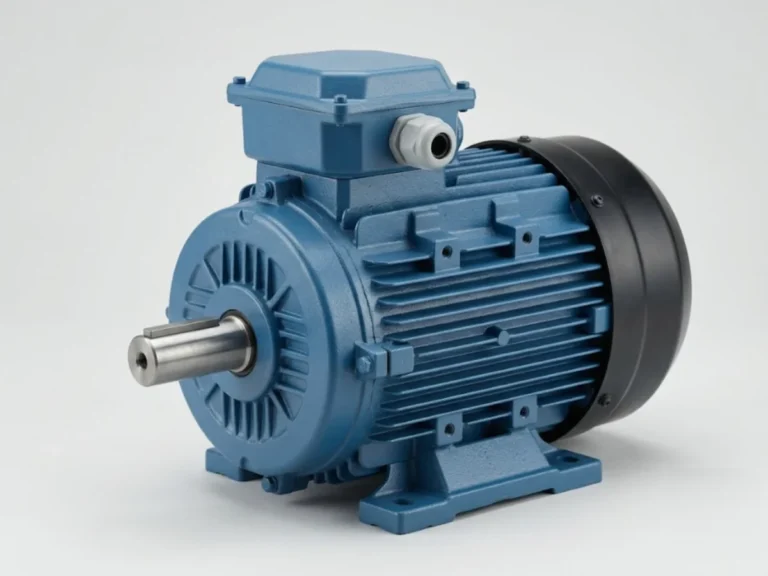
Crane Duty/Slipering Motors

Download specification sheet (PDF)

AC MotorSKU SKE-MOT-004

Crane Duty/Slipering Motors

Reference price
₹25,000 excl. GST
*For reference only, based on market listings for similar products. The actual price is confirmed in our quotation. Please send an RFQ for an exact price.

Slip-ring crane and hoist motors built for intermittent duty with frequent starts, reversals and braking.

On request

Choose your specification

Every field is optional - tell us what you know and we will confirm the rest in the quotation.

WhatsApp

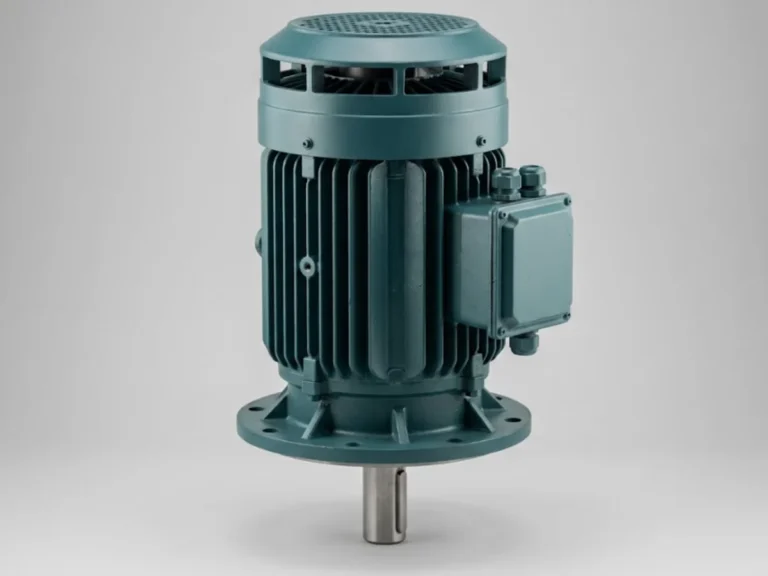
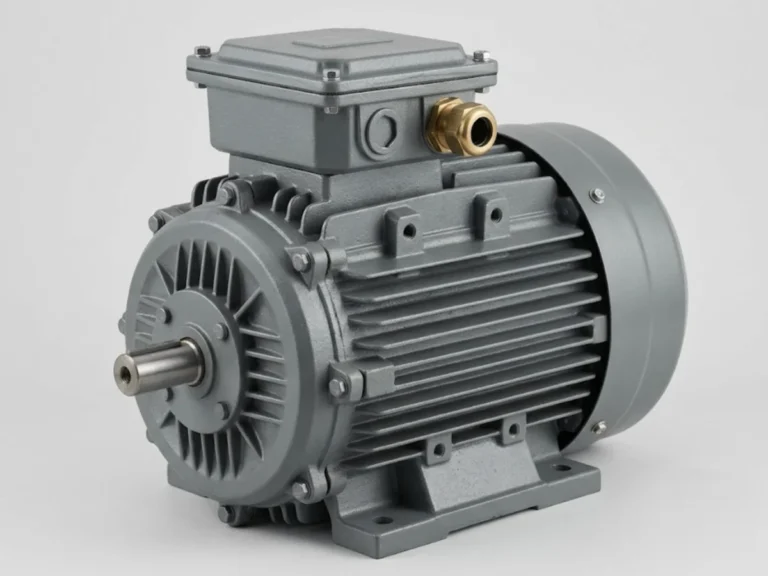
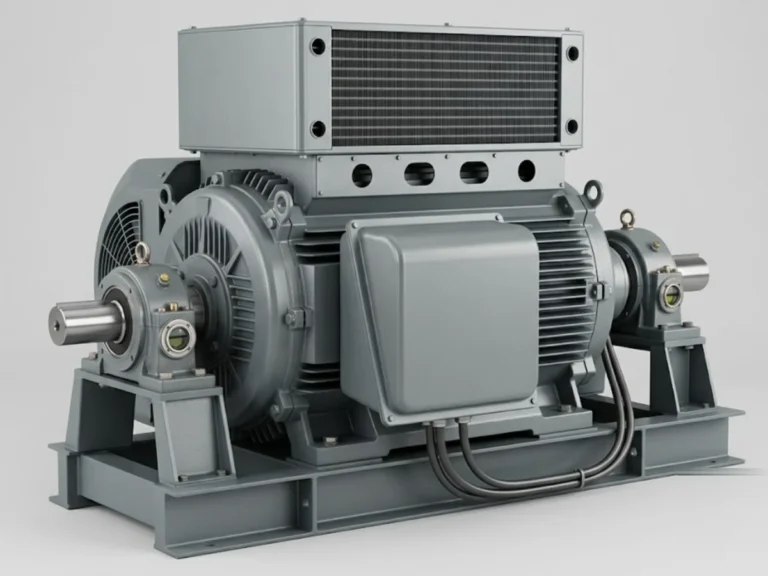
Representative image. The actual product, make and appearance depend on the supplier and your specification.

Overview

Also searched as: crane duty slip ring motor, crane duty motor, slip ring crane motor, wound rotor crane motor, hoist duty slip ring motor

Typical applications

  • EOT / overhead cranes
  • Hoists, CT and LT travel
  • Steel-plant material handling

Key features

  • High overload torque and low inertia rotor
  • Class F / H insulation, thermal protection options
  • Brake and tacho provision on request

Selection notes

Slip-ring motors suit cranes because external rotor resistance gives high starting torque with controlled current. Selection starts with the duty class, cyclic duration factor and starts per hour for each motion: hoist, cross travel, long travel.

  • Rotor resistance: the resistor bank sets starting torque and speed steps; it has to be rated for the duty, otherwise it overheats.
  • Insulation and protection: Class F or H insulation with thermal protection gives margin on frequent starts.
  • Brake and tacho: state at order whether these are needed, since they affect the shaft end and enclosure.
  • Control gear: master controllers or contactor panels must suit the rotor current. See also crane duty brake motors for squirrel-cage options.

Mistakes include undersizing slip-ring and brush gear, ignoring regular brush inspection, and using a motor with excessive inertia for a quick-starting travel drive. The low-inertia rotor in crane motors helps rapid acceleration. For non-crane slip-ring duty, see the wound open type motor. Confirm sizing with a qualified engineer and the crane manufacturer's data.

To quote, please share

  • Rated power (kW) and speed / poles
  • Supply voltage, frequency and starting method (DOL / star-delta / soft starter / VFD)
  • Mounting arrangement, frame and shaft details
  • Enclosure, ambient temperature and hazardous-area classification
  • Duty cycle (continuous / intermittent) and load type

Ratings, dimensions and certification are confirmed against your enquiry. Use Send an enquiry and our engineers will respond within 24 hours.

Frequently asked questions

Why use a slip-ring motor on a crane?

External rotor resistance gives high starting torque with limited current and allows speed steps, which suits heavy hoisting and travel. Squirrel-cage motors with VFDs are an alternative, so the choice depends on existing control gear and preference.

How often should slip rings and brushes be inspected?

Inspection frequency depends on duty and environment, and the manufacturer's manual gives intervals. Dusty steel-plant crane duty generally calls for frequent checks of brush wear, spring pressure and ring surface. Keeping brush dust out of the windings is important.

What is a crane duty slip ring motor?

A crane duty slip ring motor is a wound-rotor induction motor for cranes and hoists. It handles frequent starts, reversals and braking in intermittent duty, with the rotor connected through slip rings to external resistance.

Why are slip ring motors used on cranes?

The rotor circuit can be fitted with external resistance, which gives high starting torque with controlled starting current and allows smooth speed control. This helps cranes pick up and set down loads gently, with frequent starts and stops.

What duty is a crane duty motor rated for?

Crane duty motors are rated for intermittent duty such as S3, S4 or S5, with the cyclic duration factor chosen to suit the application. Check starts per hour and load pattern for correct selection.

What details are needed for a crane duty motor quotation?

Send the power, voltage, speed, duty type with cyclic duration factor and starts per hour, mounting (B3, B5 or B35), enclosure (IP55 or IP23), rotor voltage and current, and brake need. Price depends on rating, make and quantity, so send details for a quotation, which SKE Bharat prepares within 24 hours.

Technical specification

Motor TypeAC induction, crane duty
StandardIEC 60034, IS 3177 (crane duty)
Enclosure / ProtectionIP55 / IP23
MountingB3 foot / B5 flange / B35 foot-cum-flange
DutyS3 / S4 / S5 (CDF to application)
Voltage ClassLT: 415 V, 3-phase, 50 Hz
RotorWound (slip-ring)