The Government e-Marketplace (GeM) is the online public procurement portal used by central and state government departments, PSUs and other public bodies in India to buy goods and services. For electrical equipment such as motors, transformers, panels, cables, batteries and tools, GeM is now a normal route to purchase. This article is a general overview for buyers and suppliers; GeM’s rules, fees and procedures change over time, so confirm current terms on the portal and in your organisation’s procurement policy.
Who uses GeM and how
Buyers are government organisations: ministries, departments, PSUs, public sector banks, local bodies and some autonomous institutions. A buyer registers on the portal under the organisation and uses authorised users to raise purchases. Sellers are registered businesses, including manufacturers, traders and service providers, who list products or respond to bids. SKE Bharat is a GeM-registered vendor, and we support buyers who want to purchase electrical equipment through the portal.
Ways to buy on GeM
The portal supports several purchase routes. The details and thresholds are set by GeM and your organisation’s rules, so check the current procedure before you start.
- Direct purchase from the catalogue: the buyer finds a listed product that meets the need and places an order on the listed terms. This works for standard items with clearly defined specifications, such as common cables, tools, batteries or safety equipment.
- Bid and reverse auction: the buyer publishes a bid with specifications, quantity, delivery terms and conditions. Sellers offer prices, and a reverse auction may follow in which sellers can lower their offers. The order usually goes to the lowest eligible price among bidders who meet the technical conditions.
- Custom bid: for items with specific technical requirements that the catalogue cannot cover, the buyer prepares a custom bid with the specification attached.
Buyer tips: write a specification that gets the right product
Most problems on GeM come from vague specifications. A bid for “transformer 1 MVA” invites quotes on very different designs. For electrical equipment:
- State the rating, voltage class, phases, frequency, standards, and duty (indoor or outdoor).
- List mandatory features: for example, breaker type and breaking capacity, motor frame size and efficiency class, cable conductor and insulation.
- Mention testing and documents required: routine test certificates, type test reports where applicable, drawings, datasheets.
- State delivery location, installation or commissioning scope, and warranty requirement as per your organisation.
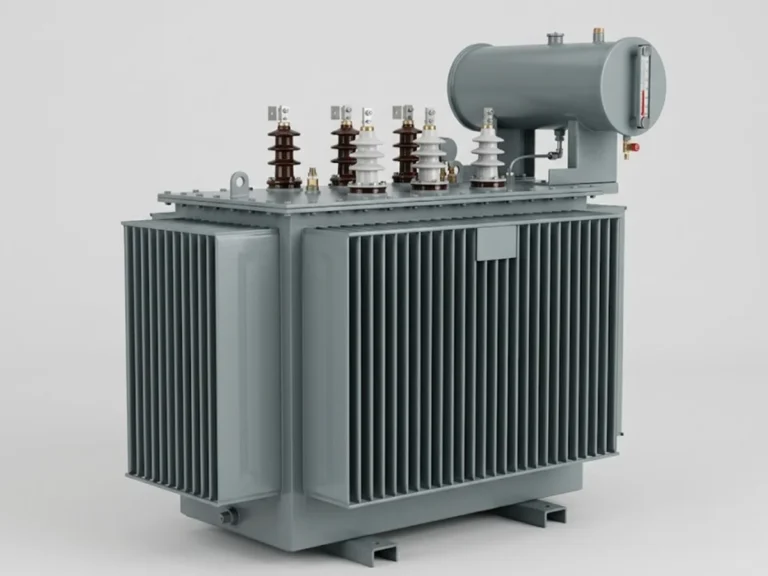
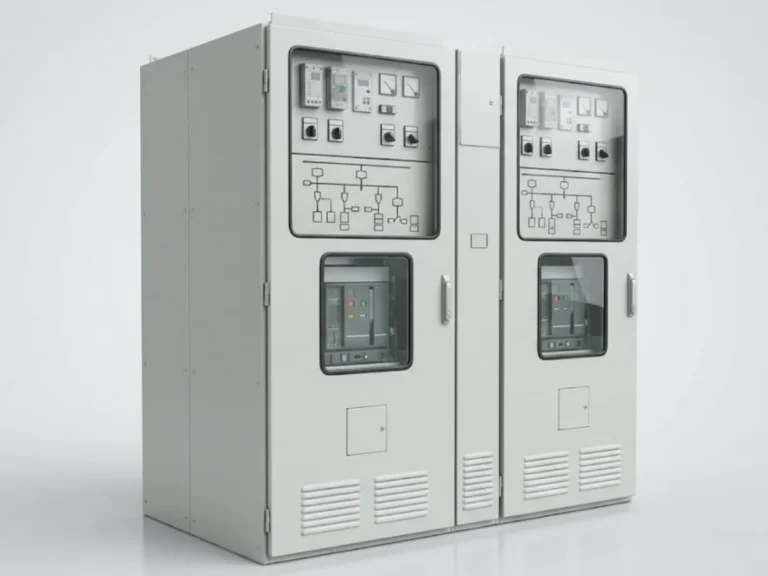
- Use our product finder to find the right category, and read transformers or switchgear panels to compare typical options before you write the specification.
A well-written bid helps every compliant seller quote like for like. The same discipline applies to any enquiry: the more precisely the need is stated, the more comparable the offers.
Supplier tips: how to respond
- Register and keep your profile current: business registration details, GST, PAN, bank details and product categories should be complete and accurate.
- Read the bid in full: note the technical specification, delivery period, testing and inspection requirements, payment terms and any pre-bid clarifications.
- Offer compliant products: upload the datasheets, certificates and test reports the bid asks for. A technically non-compliant offer is rejected regardless of price.
- Price properly: include taxes, freight, packing, insurance and installation scope as the bid defines them. A low price that leaves out a cost can become a loss on delivery.
- Be ready for the auction: if a reverse auction follows, know your floor price before it starts.
- Deliver and document: proof of delivery, inspection documents and invoices are the basis of payment.
Equipment categories commonly bought through GeM
Buyers commonly search the portal for motors, pumps, transformers, switchgear, cables, batteries, UPS, solar equipment and spare parts. Examples include AC motors, circuit breakers, and HT and LT power cables. For each, make sure the specification names the applicable Indian or international standard and any test certificates expected at inspection.
When specifying, add item-specific points: for transformers, vector group, cooling type, tap changer and losses; for motors, efficiency class and mounting; for panels, busbar rating, short-circuit rating and degree of protection; for cables, conductor, insulation and sheath; for batteries and UPS, capacity, backup time and warranty period.
Common issues to avoid
- Specifications that name a brand without allowing equivalents, or specifications so loose that unlike products are compared.
- Missing delivery site details or access constraints.
- Ignoring inspection and acceptance procedure, which can delay payment.
- Assuming rules and fees remain fixed; they are revised, so verify current rules on the GeM portal before bidding.
Documents and records to keep ready
Whether you are buying or selling, a clean paper trail makes the process smoother. Buyers should keep the approved specification, the bid document, the evaluation record and the inspection and acceptance report. Suppliers should keep product datasheets, test certificates, drawings, delivery challans, installation reports and invoices in an organised folder. For electrical equipment, routine test certificates and any type test reports referred to in the specification are often asked for at inspection, so have them available before dispatch rather than after. Check the current document requirements on the portal for each order, since they can be updated. If the bid allows clarification questions before the closing date, use them: a one-line question on a specification point is far cheaper than a rejected offer or a wrong delivery.
What to send us for a quotation
If you are a buyer preparing a bid or a supplier-partner for a GeM requirement, send the specification, quantity, delivery location, standards, test documents needed and your timeline. We answer quotation requests within 24 hours. Use request a quote or contact us.
Frequently asked questions
Who can buy on GeM?
GeM is used by central and state government departments, PSUs, public sector banks, local bodies and other public organisations that are registered as buyers. Private companies generally buy through their own procurement channels. Check the portal's current eligibility rules and your organisation's procurement policy to confirm whether and how you can purchase there.
What is the difference between a catalogue purchase and a bid on GeM?
A catalogue purchase is a direct order for a listed product on its stated terms, suited to standard items. A bid is a request published by the buyer with a specification; sellers respond with offers, sometimes followed by a reverse auction on price. Items with detailed technical requirements are usually bought through a bid or custom bid.
How should a supplier prepare to bid for electrical equipment?
Keep the seller profile and product categories current, read the whole bid and technical specification, upload datasheets and certificates, and price all taxes, freight and installation scope as defined. Know the minimum price you can accept before any reverse auction starts. Make sure you can meet the delivery period and inspection requirements before you submit.
Does SKE Bharat supply through GeM?
SKE Bharat is a GeM-registered vendor and supplies electrical and automation equipment across India to industry, PSUs and infrastructure. If you have a GeM requirement, send the specification and quantity through the quote form or contact page, and we respond to quotation requests within 24 hours.