Circuit Breakers
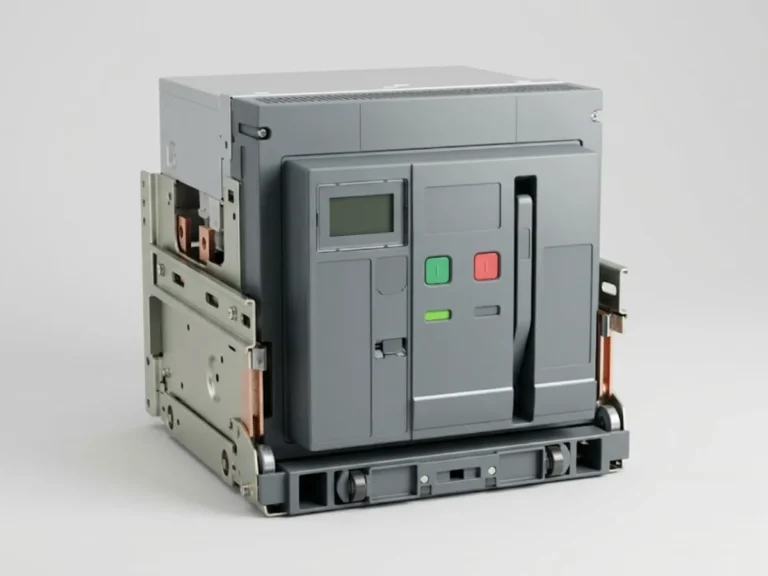
ACB (Air Circuit Breaker)
Air circuit breakers for main incomers and bus-couplers of LT switchboards at high current ratings.
- StandardIEC 60947-2
Circuit Protection
Browse the full range. Filter by category or feature, compare specifications and add items to your quote list.
Air circuit breakers for main incomers and bus-couplers of LT switchboards at high current ratings.
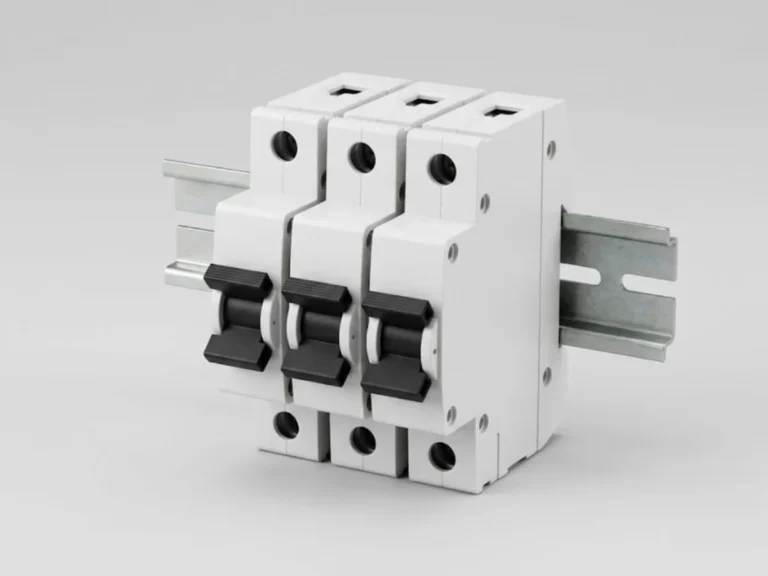
Miniature circuit breakers for overload and short-circuit protection of final circuits in distribution boards.
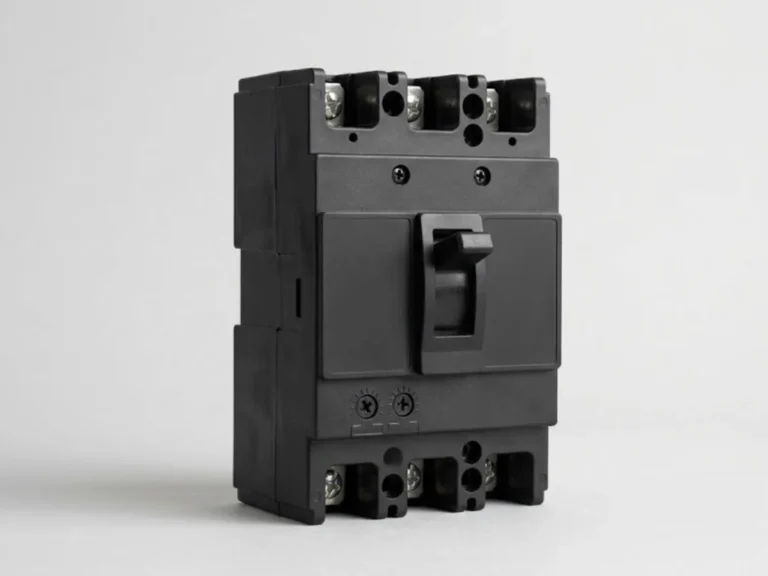
Moulded-case circuit breakers for feeder and motor-circuit protection from tens to a few thousand amperes.
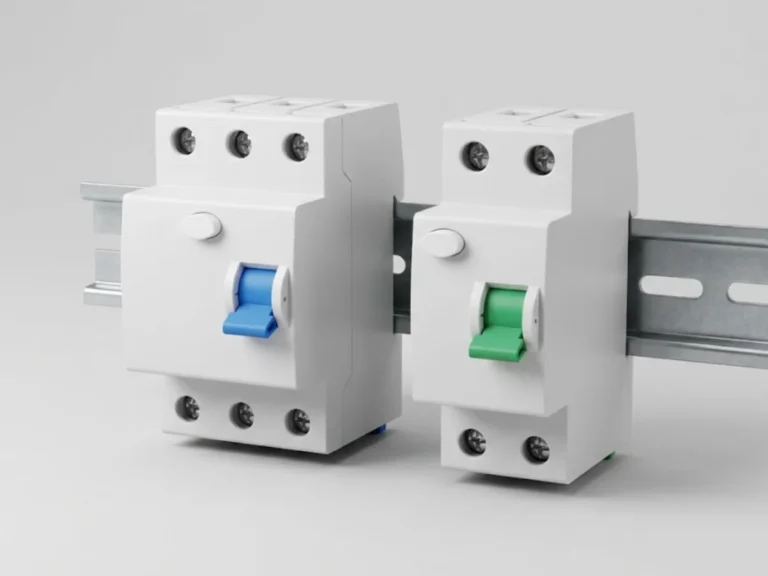
Residual-current devices that trip on earth leakage to protect people and equipment; RCBOs add overcurrent protection in the...
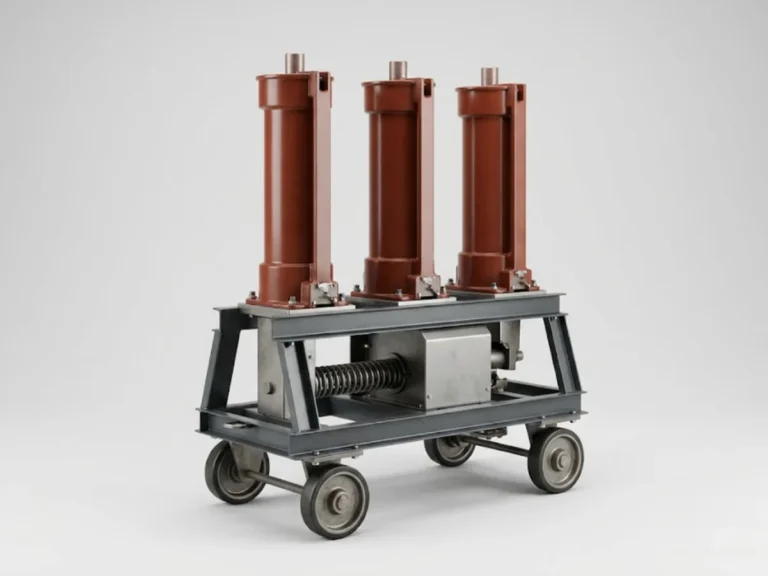
Vacuum circuit breakers for medium-voltage switchgear, switching motors, transformers and feeders.
No products match your filters. or ask our engineers.
Circuit breakers protect a circuit by interrupting overload and short-circuit current automatically. This category has VCB for medium voltage, ACB for large low-voltage incomers, MCCB for feeders, MCB for final circuits and RCCB and RCBO for earth leakage protection.
Each type fits a different level of the installation. VCBs interrupt the arc in a vacuum bottle and are the usual choice for 3.3 to 33 kV panels, with long maintenance intervals. ACBs sit at the transformer incomer and bus coupler, with high short-circuit capacity and electronic trip units. MCCBs cover feeders from tens to a few hundred amps, and MCBs protect lighting and small power circuits. RCCBs detect earth leakage and protect people, not cables, so they are used alongside an overcurrent device or as an RCBO that combines both.
How to choose:
LV breakers follow IS/IEC 60947-2; MCBs follow IS/IEC 60898-1, and RCCBs IS 12640 with IEC 61008. Pair breakers with switching and control devices for complete starter feeders.
An MCB is a compact breaker for final circuits with fixed trip settings and lower short-circuit capacity, usually mounted on a DIN rail. An MCCB handles higher current, has a higher breaking capacity and usually offers adjustable thermal and magnetic settings. MCCBs are used on feeders and motor circuits, MCBs on lighting and small power.
An MCB protects against overload and short-circuit, an RCCB protects against earth leakage only, and an RCBO does both in one device. An RCCB needs a separate overcurrent device ahead of it. Use RCBOs where each circuit needs its own earth leakage protection without nuisance tripping of the others.
A VCB is for medium voltage, typically 3.3 kV to 33 kV, and interrupts the arc in a sealed vacuum interrupter. An ACB is a low-voltage breaker, used up to 1000 V, commonly at 415 V incomers. The system voltage decides: you cannot swap one for the other.
They describe the instantaneous trip threshold as a multiple of rated current. B trips at roughly 3 to 5 times, C at 5 to 10 times, and D at 10 to 20 times. B suits resistive loads and long cables, C suits mixed loads, and D suits motors and transformers with high inrush current.
Find the prospective short-circuit current at the breaker's location from the transformer kVA, impedance and cable length, and select a breaker whose rated breaking capacity is higher. For example, a 1000 kVA transformer at 5 percent impedance gives about 28 kA at its 415 V terminals. A qualified engineer should confirm the fault level calculation.
A step-by-step method to size a 11 kV/415 V transformer for a factory or building, with a worked example, standard kVA ratings and the mistakes that…
6 min readSwitchgear, Panels & ProtectionMCB, MCCB and ACB overlap in the middle of their ranges. This guide compares them on current, fault rating, trip settings and use, and shows how…
6 min readPumps, Cables & Buying GuidesA plain overview of how GeM works for electrical equipment, for government buyers and for suppliers, with tips on specifications and bid documents.
6 min read