Switching & Control Devices
Changeover Switches
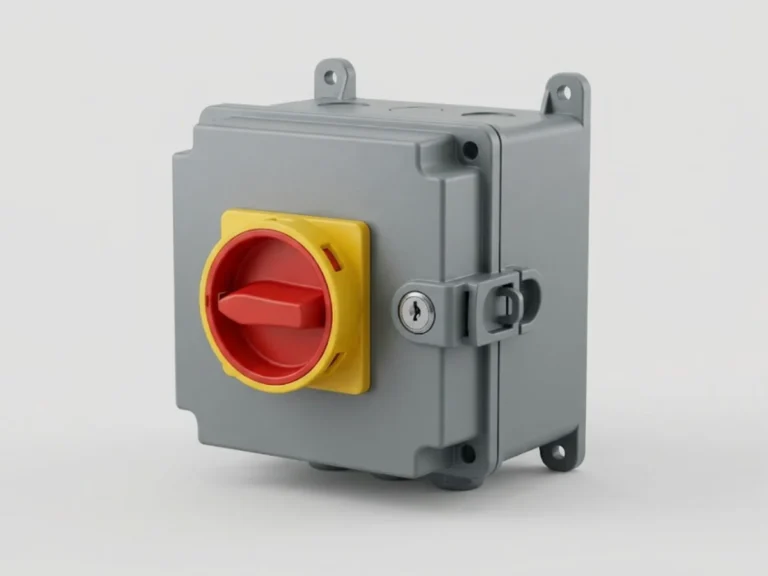
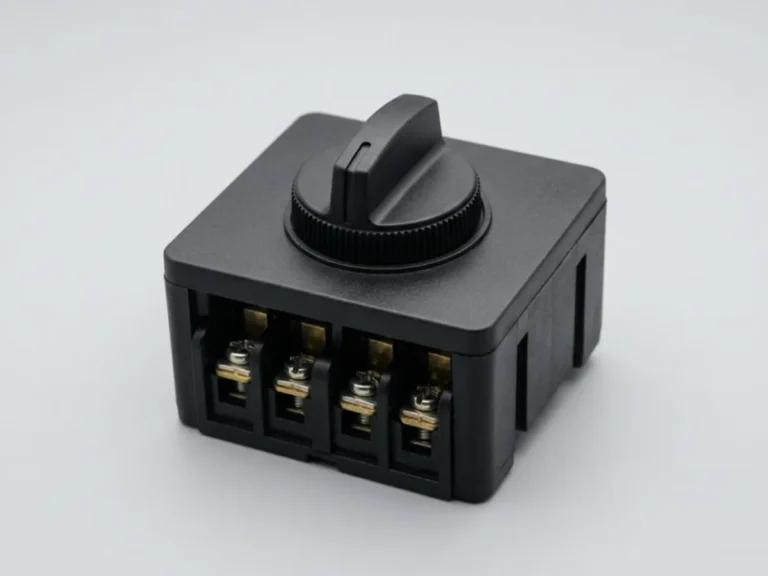
Manual and motorised changeover switches for transfer between two supplies, such as mains and generator.
- StandardIEC 60947-3, IEC 60947-6-1
Browse the full range. Filter by category or feature, compare specifications and add items to your quote list.
Manual and motorised changeover switches for transfer between two supplies, such as mains and generator.
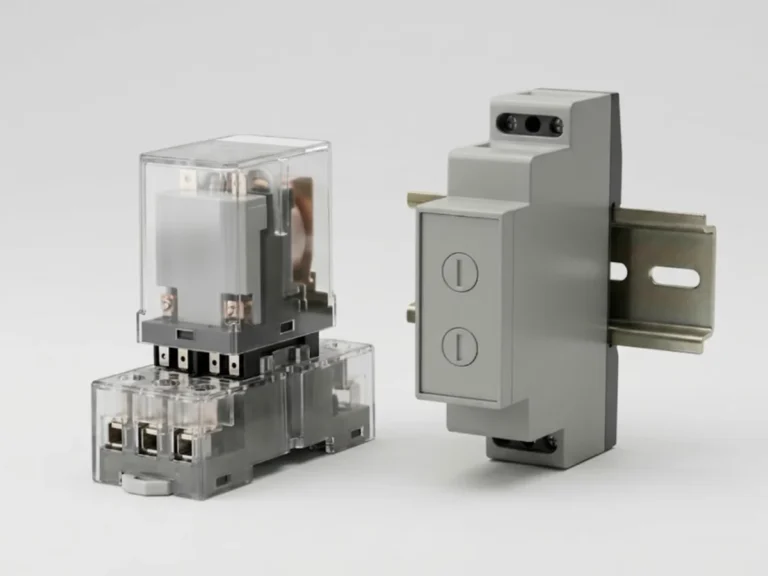
Interface relays, timers and monitoring relays for control and automation circuits.
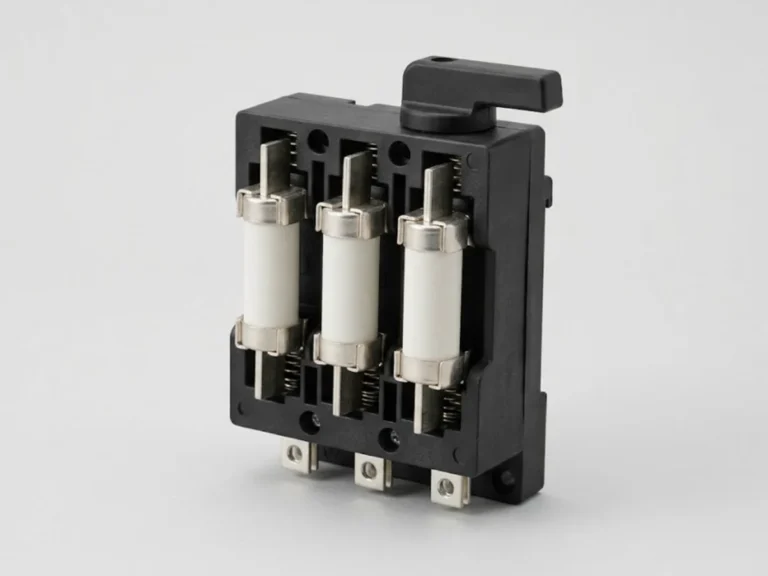
High-rupturing-capacity fuse links, fuse bases and fuse switch units for short-circuit protection.
Load-break switches and isolators for safe isolation of circuits and equipment.
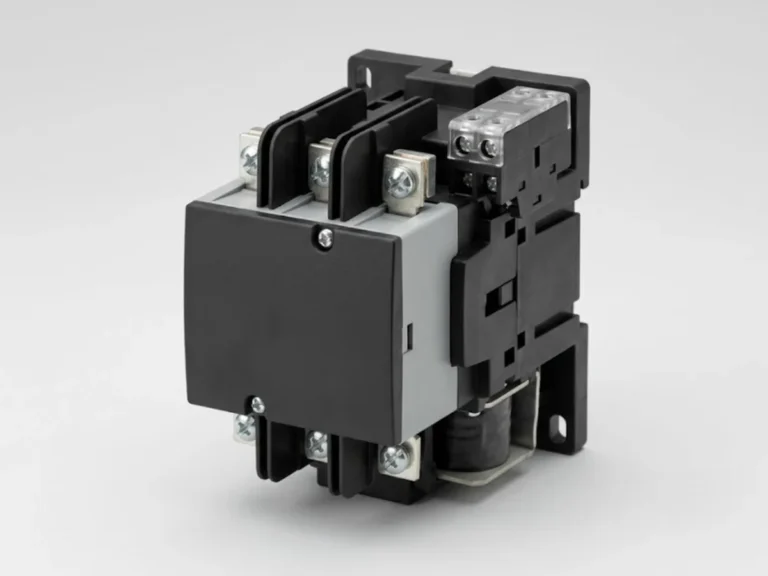
AC and DC contactors for switching motors and other loads, with auxiliary contacts and coil options.
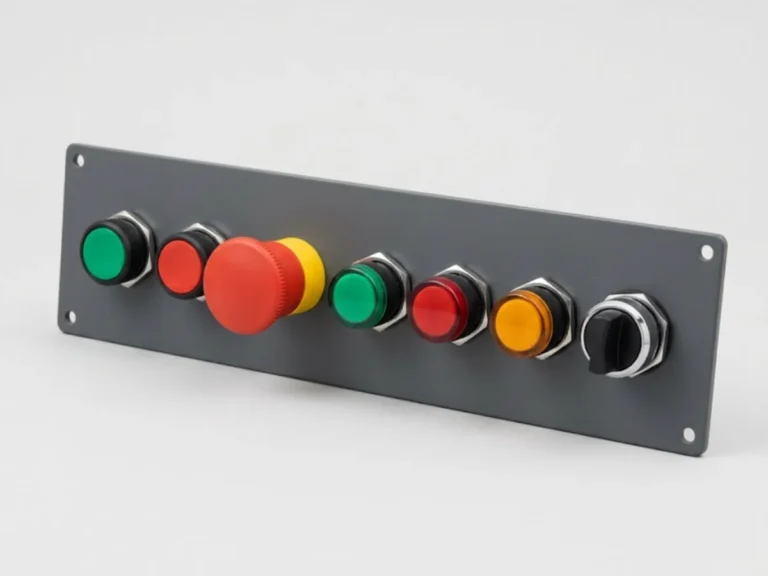
Pilot devices for panel doors and control stations: push buttons, indicator lamps, selector switches and emergency stops.
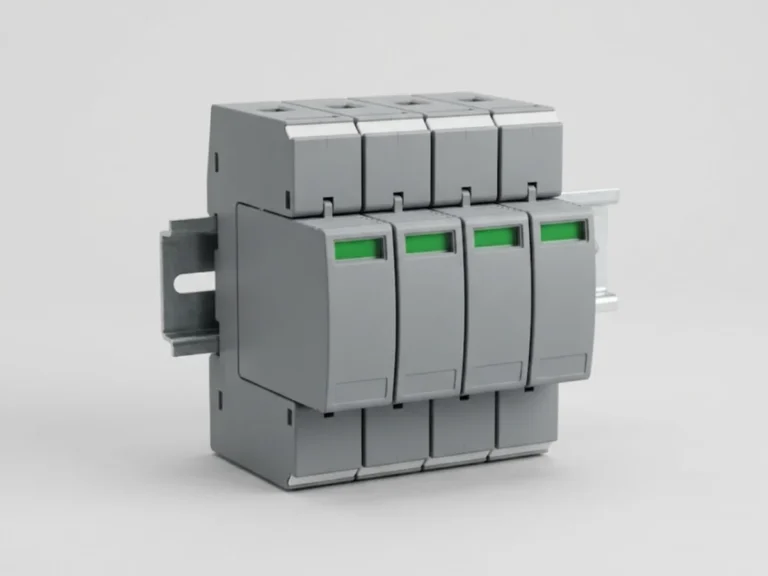
Surge protective devices that divert lightning and switching surges away from equipment.
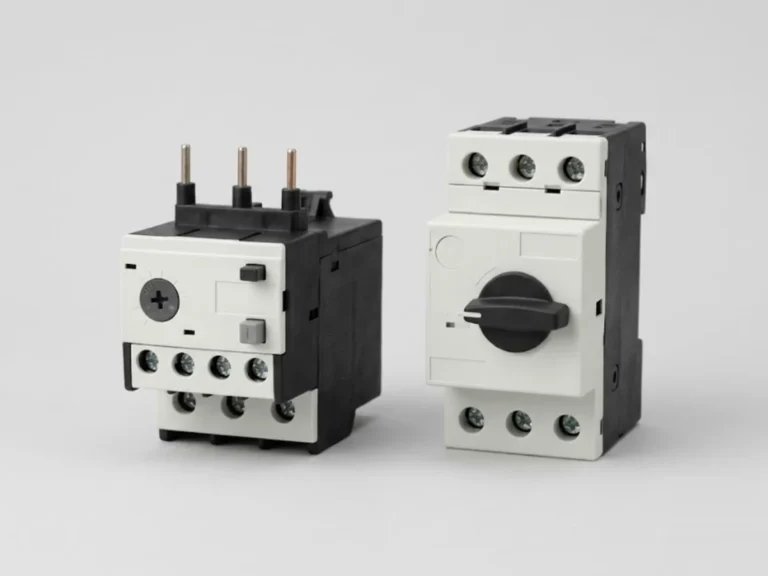
Overload relays and motor protection circuit breakers that protect motors against overload and phase loss.
No products match your filters. or ask our engineers.
These are the devices that sit between the breaker and the load: power contactors, thermal overload relays and MPCBs, isolators and switch disconnectors, HRC fuses and fuse switch units, changeover switches, control relays and timers, push buttons, indicators and surge protection devices. Together they make up a motor starter or a controlled feeder.
A common starter is a breaker or fuse for short-circuit protection, a contactor to switch the motor, and an overload relay for running protection. The contactor is chosen by its utilisation category, and for a cage motor that is usually AC-3. For crane or plugging duty, which means frequent starts, reversals and inching, the category is AC-4, and the contactor must be derated or selected up. An MPCB combines short-circuit and overload protection with manual on/off in one device, saving space on small motor feeders. HRC fuses offer high breaking capacity at low cost where fault levels are high.
When you choose, look at:
Use the motor current and cable calculator for the starting current, and see the upstream circuit breakers for the protective device.
A contactor is built to switch power circuits such as motors and heaters, with heavy main contacts, arc chutes and a coil for repeated operation. A relay is a lighter switching device used for control signals, interlocks and auxiliary functions. Never use a control relay to switch a motor directly unless its contact rating allows it.
A motor protection circuit breaker is a compact device with adjustable thermal overload and a fixed magnetic trip, designed for motor feeders and often with phase-failure sensing. An MCCB is a general feeder breaker with adjustable settings and larger ratings. For a small motor, an MPCB plus a contactor gives a complete starter.
These describe what is permitted to be damaged after a short circuit in a starter. With type 1, the contactor or relay may be damaged but there is no hazard to people. With type 2, only light welding of contacts that can be easily separated is allowed. Type 2 gives faster recovery after a fault.
An SPD limits transient overvoltage from lightning or switching, and is advised where a lightning strike risk exists, or where electronics, drives and PLCs are installed. Type 1 devices go at the service entrance, Type 2 at distribution boards, and Type 3 close to sensitive loads. Good earthing is essential for them to work.
An isolator opens a circuit without load to give a visible, safe gap for maintenance and is not made to break load current. A switch disconnector can make and break load current as well as isolate. Which one is required depends on the circuit, and a qualified engineer should confirm.