

 Batteries in association with MARC Traders
Home Inverter Batteries
Browse the full range. Filter by category or feature, compare specifications and add items to your quote list.
Product list
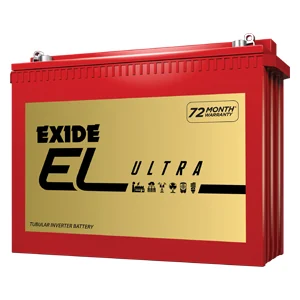
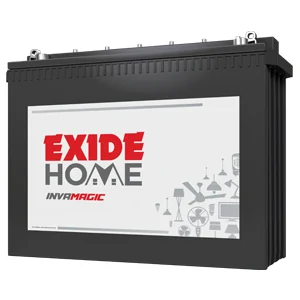
Exide Home InvaMagic - MGST / MGTT / MGJT Series
Low-maintenance tubular inverter battery with PLEX technology and fast recharge, rated for up to 800 cycles at 80%...
- BrandExide
- Product TypeHome Inverter Batteries
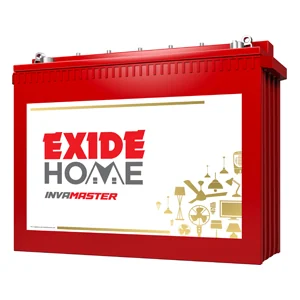
Exide Home InvaMaster - IMTT / IMST Series
Standard-range tubular inverter battery for everyday home backup, built for deep discharge with up to 1,000 cycles at...
- BrandExide
- Product TypeHome Inverter Batteries
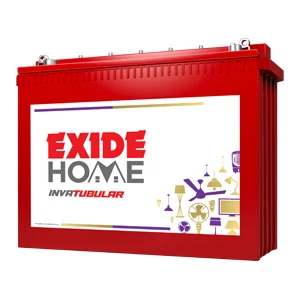
Exide Home InvaTubular - IT Series
Premium tubular range with thicker plates and extra electrolyte per Ah, rated for up to 1,200 cycles at...
- BrandExide
- Product TypeHome Inverter Batteries
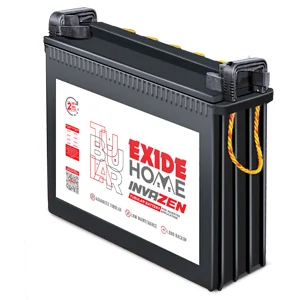
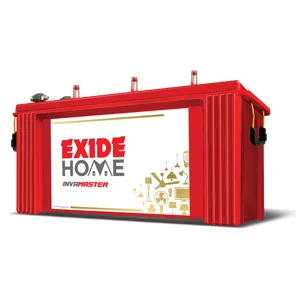
Exide InvaMaster Short Tubular - IMST
Compact short-container versions of the InvaMaster deep-discharge tubular battery, for places where a tall battery will not fit.
- BrandExide
- Product TypeHome Inverter Batteries
No products match your filters. or ask our engineers.
Home Inverter Batteries from SKE Bharat
These are lead-acid batteries made for home inverters and small commercial backup. The listing includes Exide InvaMaster, InvaTubular, InvaMagic, InvaZen and the PowerBox, plus the EL Ultra. They serve homes, apartments, shops, clinics and small offices that face regular power cuts.
The main choice is between tubular and flat-plate batteries. Tubular positive plates tolerate repeated deep discharges, so they last longer where outages are long or frequent. Flat-plate batteries cost less and suit areas with short, occasional cuts. Within tubular, short-tubular designs use a compact container that fits in standard inverter trolleys, and tall-tubular designs give more electrolyte reserve and a longer interval between topping up with distilled water.
How to pick:
- Work out the load in watts and the hours of backup you need during a typical outage.
- Check the inverter DC input voltage: 12 V, 24 V or 36 V. The battery bank must match, so a 24 V system uses two 12 V batteries in series.
- For example, a 500 W load for 3 hours at 24 V, using 50 percent usable capacity and 85 percent inverter efficiency, needs about 3.5 kWh of battery, which is roughly two 12 V 150 Ah batteries.
- Do not mix old and new batteries in one bank, and keep ventilation, tight terminals and water levels in order.
Try the battery backup calculator for your own load, and see matching home inverters and UPS to pair with the battery.
Frequently asked questions
What is the difference between tubular and flat plate inverter batteries?
Tubular batteries have positive plates made of lead-alloy spines inside fabric tubes, which resist shedding of active material during deep discharge and so give longer cycle life. Flat plate batteries have pasted grids, are cheaper and have shorter life under heavy cycling. For areas with long or daily power cuts, tubular is generally the better choice.
How many batteries do I need for my inverter?
Check the inverter's DC voltage: 12 V needs one battery, 24 V needs two in series, 36 V three. For more backup time, add parallel strings of identical batteries only if the inverter manual allows it. The battery Ah and the load decide the backup time, so use the backup calculator before buying.
How often should I top up an inverter battery?
Flooded tubular batteries need distilled water added when the electrolyte level falls near the minimum mark. The interval depends on usage, charging voltage and temperature, and can range from a few weeks to a few months. Use only distilled water, check levels regularly, and never add acid. Follow the user manual for the model.
Can I use a car battery with a home inverter?
It is not advised. Starter batteries are built for short, high-current bursts and are damaged by repeated deep discharge, so their life in inverter service is short. Use deep-cycle batteries designed for inverter duty, either tubular or good flat-plate types, and match the capacity to the inverter.
Why does my battery give less backup than expected?
Common causes are age, a partly charged battery because of short charging periods, sulphation, low electrolyte level, loose connections, or a load higher than assumed. Capacity also falls at higher discharge rates. Measure the actual load, check the charger output, and have a technician test each battery.
Guides for this range
Battery Maintenance: How to Extend Inverter Battery Life
Battery life is mostly decided by habits, not luck. A checklist of the routine checks, charging settings and storage practice that keep inverter and industrial batteries…
6 min readBatteries, Inverters & UPSHow Long Will My Battery Back Up My Load? Worked Example
A step-by-step worked example showing how to estimate backup time from battery Ah, voltage, load and inverter efficiency, and why the answer is shorter than the…
6 min readBatteries, Inverters & UPSHow to Size an Inverter and Battery for Home or Shop
A practical method to add up your loads, pick the inverter VA rating and battery Ah, and avoid the usual mistakes with fridges, pumps and starting…
6 min read