Home Inverters & UPS
Exide Home GQP Series
DSP-based pure sine wave home UPS ('Grid Quality Power') with a 100% copper transformer and 3-stage intelligent ASIC...
- BrandExide
- Product TypeHome Inverters & UPS
Exide
 Inverters & UPS in association with MARC Traders
Browse the full range. Filter by category or feature, compare specifications and add items to your quote list.
DSP-based pure sine wave home UPS ('Grid Quality Power') with a 100% copper transformer and 3-stage intelligent ASIC...
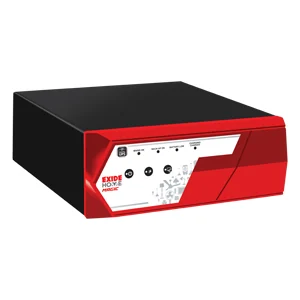
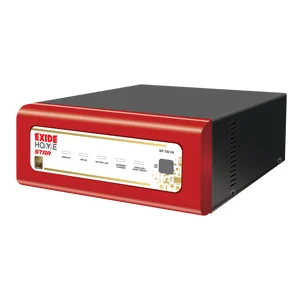
DSP and microcontroller-based home UPS with intelligent ASIC charging, fan-assisted cooling and under-10 ms changeover
Microcontroller-based pure sine wave home UPS with a wide 90-300 V AC input range for low-voltage areas.
DSP-based higher-capacity UPS for offices, shops and motor loads, 2 to 12 kVA with 24 V to 192...
Compact pure sine wave home UPS (inverter) in 650 VA and 850 VA ratings for homes and small...
Inverter/UPS aimed at running both IT and home loads, 1500 VA 12 V pure sine wave, with LED...
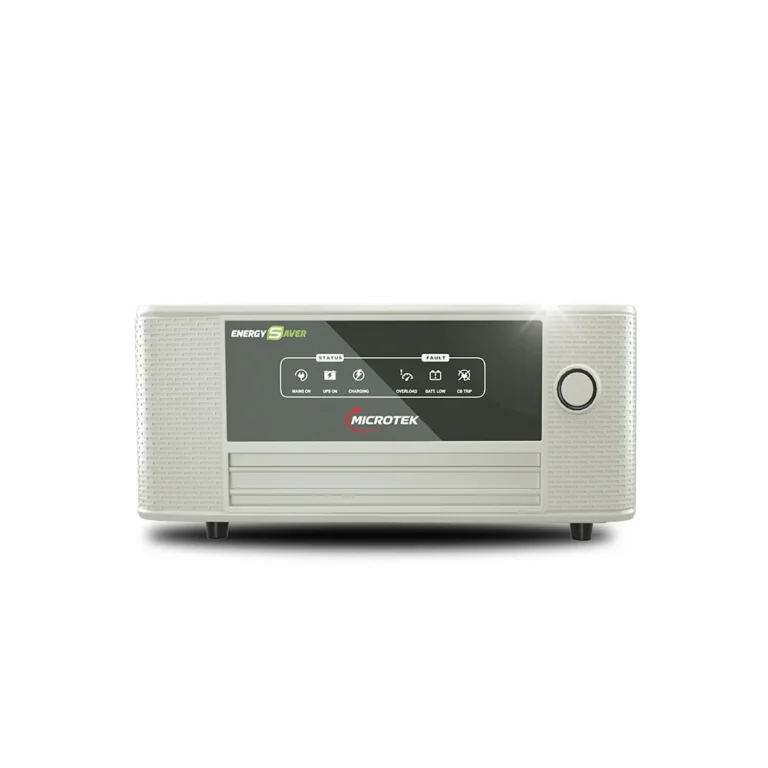
Home inverter range with energy-saving technology, offered in Advanced Digital Wave and Pure Sine Wave versions (12 V...
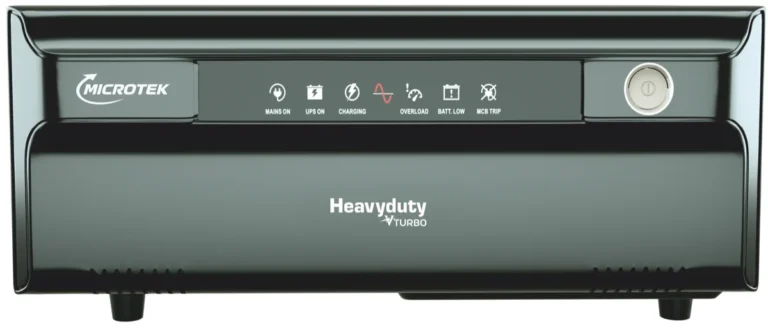
Higher-capacity home inverters (12 V and 24 V) for heavier household loads, in Pure Sine Wave and Digital...
IGBT-based high-grade Jumbo UPS at the top of the Jumbo range (96 V system).
Entry-level home inverter range in Advanced Digital Wave and Pure Sine Wave versions.
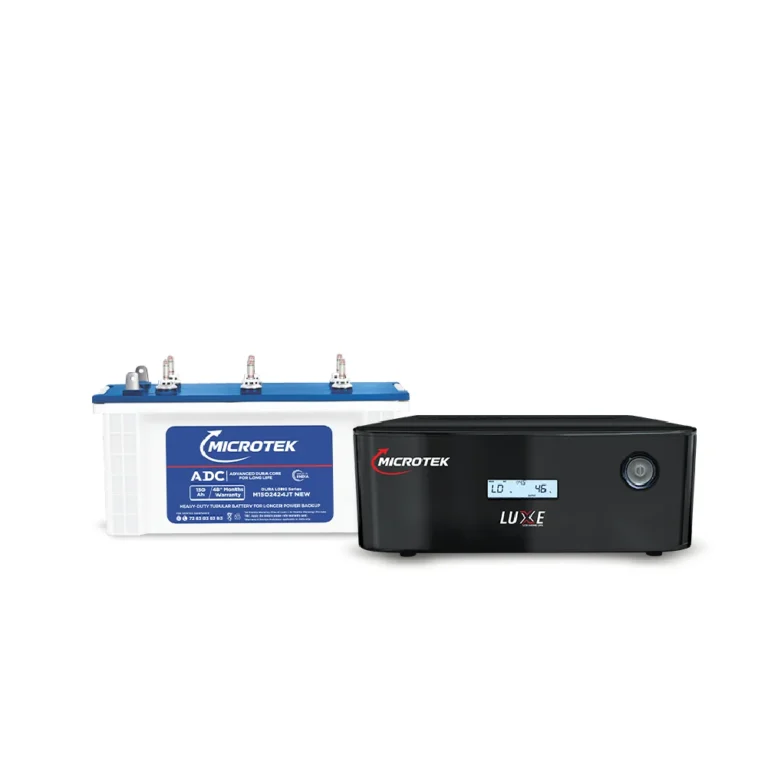
Luxe inverter bundled with a Microtek tubular battery
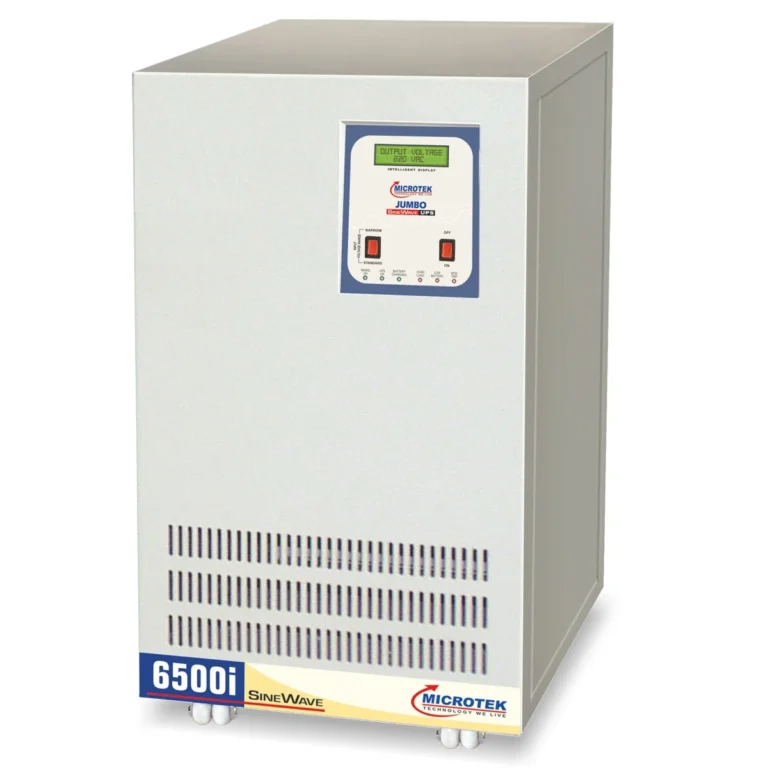
High-capacity pure sine wave Jumbo UPS (24 V to 72 V systems) for heavy home and commercial loads...
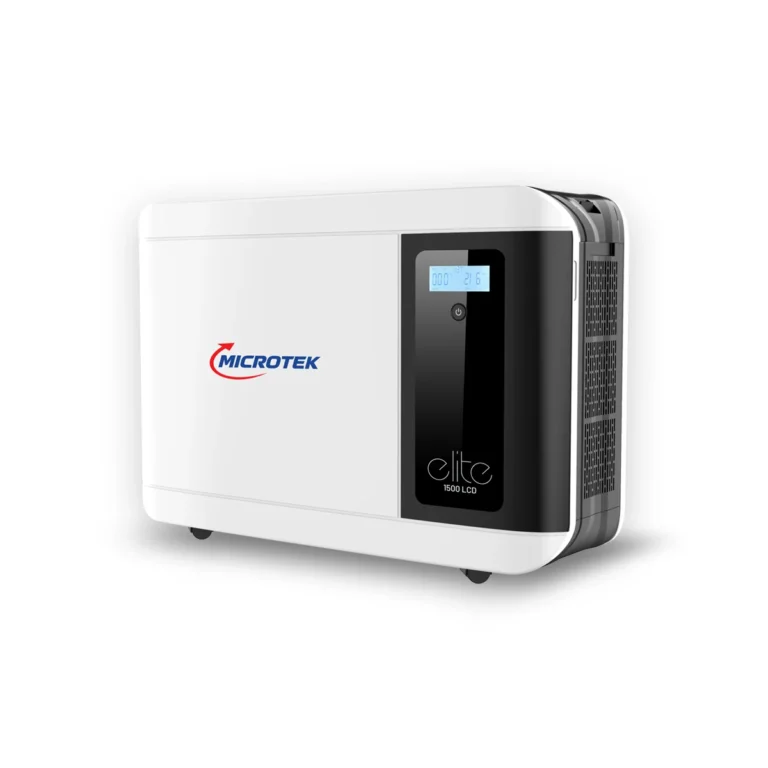
Compact Microtek home inverter/UPS range in 12 V and 24 V pure sine wave versions, with LCD display,...
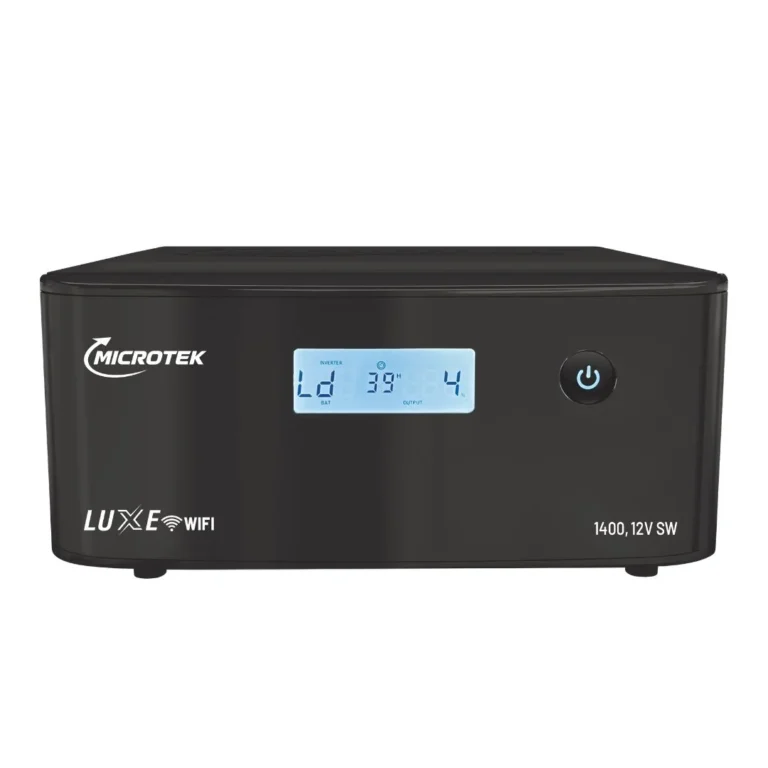
Pure sine wave inverter with WiFi connectivity for monitoring; listed as the 1400 (12 V, 1100 VA) inverter...
Pure sine wave home UPS/inverter range (12 V and 24 V) positioned for a mix of home and...
New-generation high-capacity pure sine wave Sumo UPS (24 V to 72 V systems) for commercial and heavy loads.
Popular Microtek home inverter range offered in both Pure Sine Wave and Advanced Digital Wave versions, 12 V...
Newest high-power home inverter series in 12 V and 24 V with Pure Sine Wave (SW) and Pure...
Conventional home pure-sine-wave UPS inverters that run on an external battery; listed on the website under Home Solutions...
Residential pure sine wave inverters from 0.6 to 2.5 kVA that run on 12 V or 24 V...
No products match your filters. or ask our engineers.
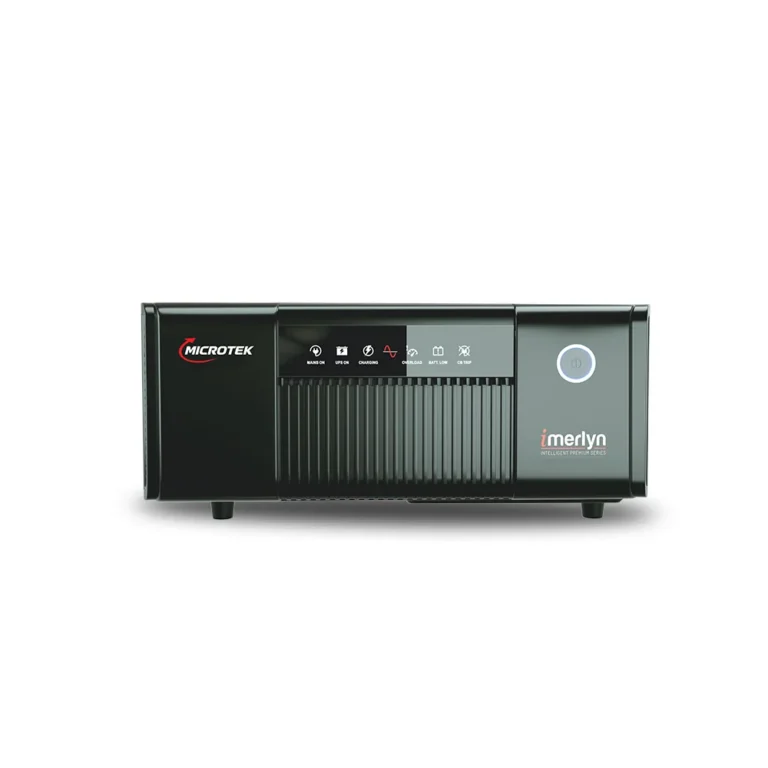
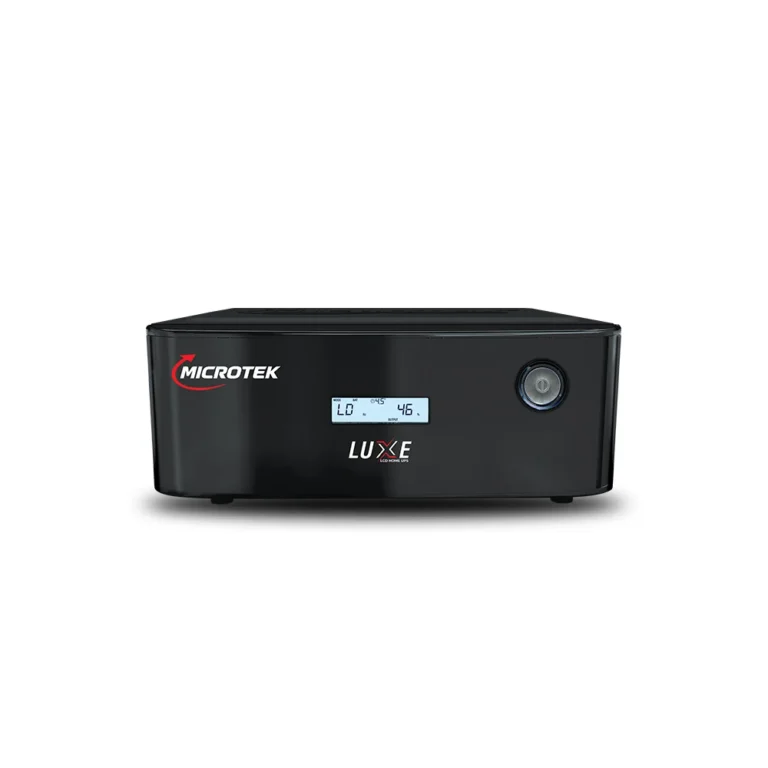
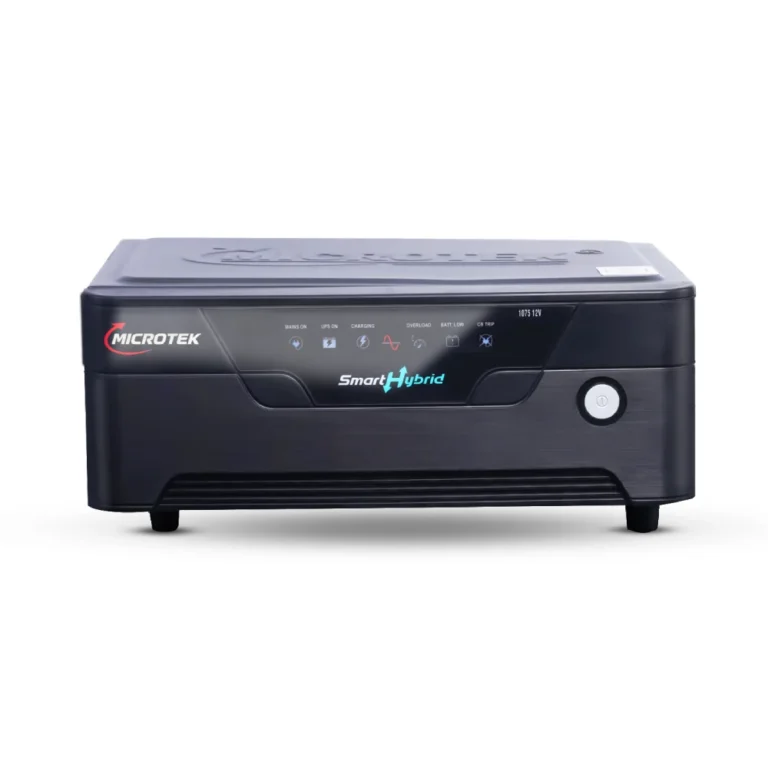
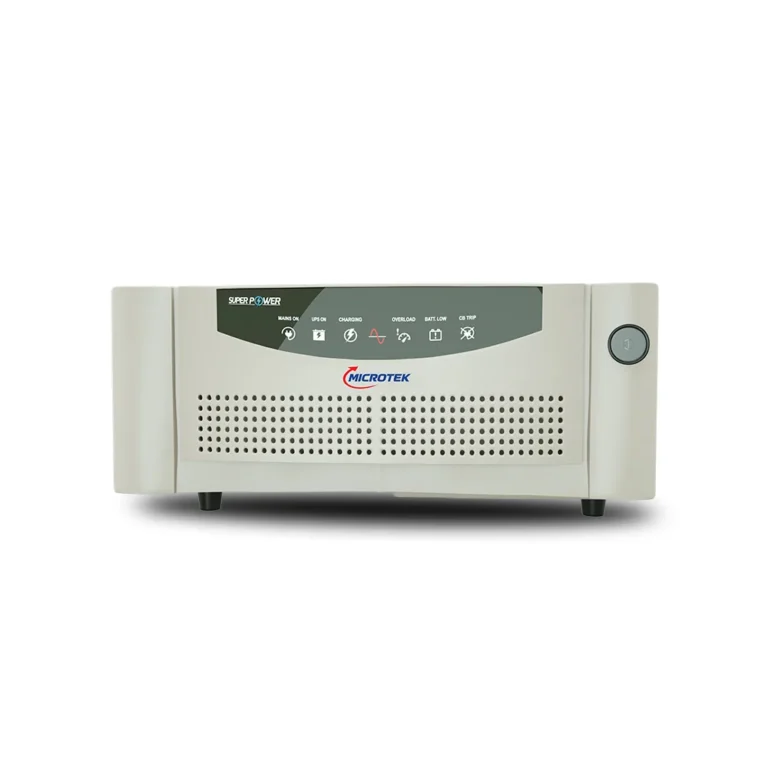
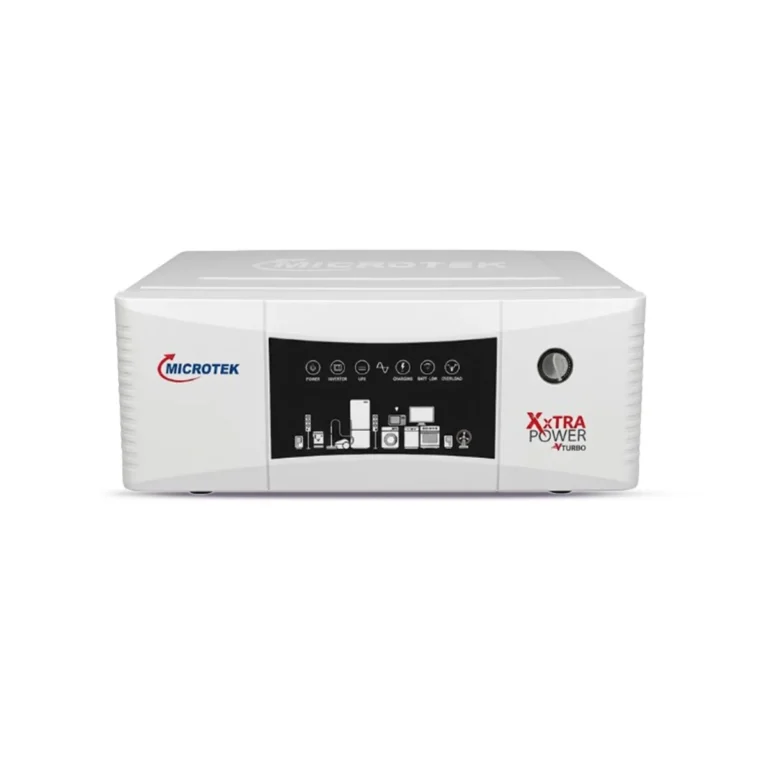
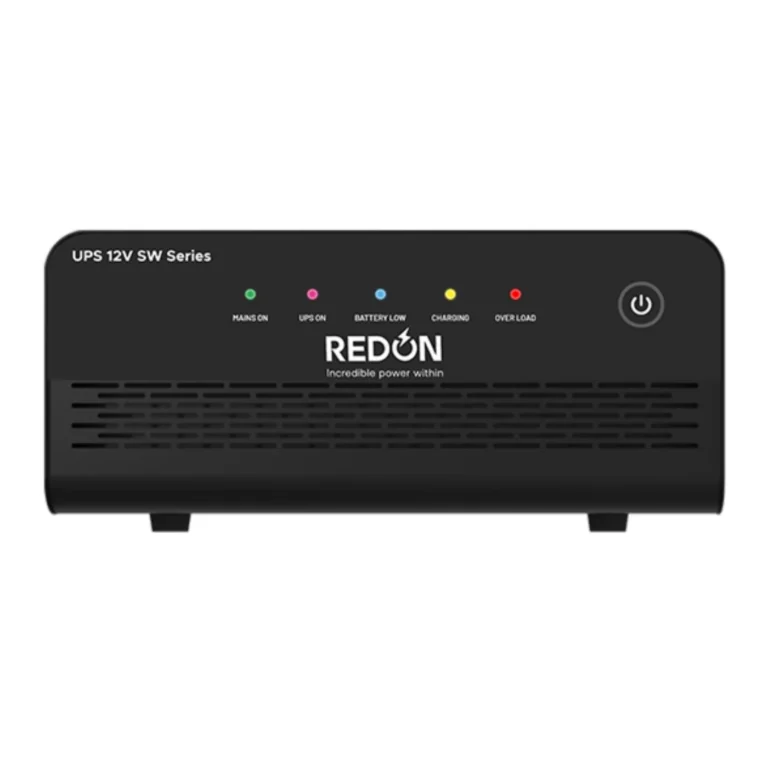
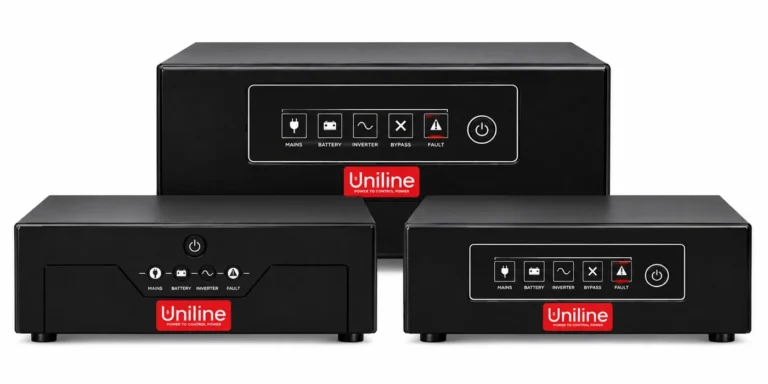
These are inverters and UPS for homes, apartments, shops and small offices. The range includes Microtek models such as Luxe WiFi, Jumbo Home UPS, Sumo, iMerlyn and combo packs, Exide Inverterz Xtatic, Home Magic and Home Star series, Uniline pure sine wave inverters and Redon home inverters.
Start with the connected load. List the fans, lights, TV, router, refrigerator and any pump or AC that must run during an outage, and add the watts. A 570 W essential load needs roughly 710 VA at 0.8 power factor, so a 900 VA to 1100 VA inverter keeps loading below 80 percent. Inverters of 800 to 1500 VA usually run on 12 V or 24 V batteries; larger units use 36 V or 48 V banks, which reduce current and cable heating. A refrigerator or a pump motor draws several times its running current at start, so leave extra margin.
Selection points:
Pick a battery from home inverter batteries and calculate the backup time with the battery backup calculator. For critical loads, compare with online UPS.
List the essential appliances and total their wattage, then divide by 0.8 to get VA and add margin so the load stays under 80 percent of the rating. Typical homes with fans, lights and a TV need around 900 to 1100 VA, and homes with a refrigerator or pump need more. Start-up surge on motors needs extra margin.
A small window or split AC can be run by a large enough inverter and battery bank, but compressor start-up draws several times the running current, so the inverter must be sized for that surge. The battery also drains quickly because ACs use over a kilowatt. Most homes run an AC only on a high-capacity inverter or solar system.
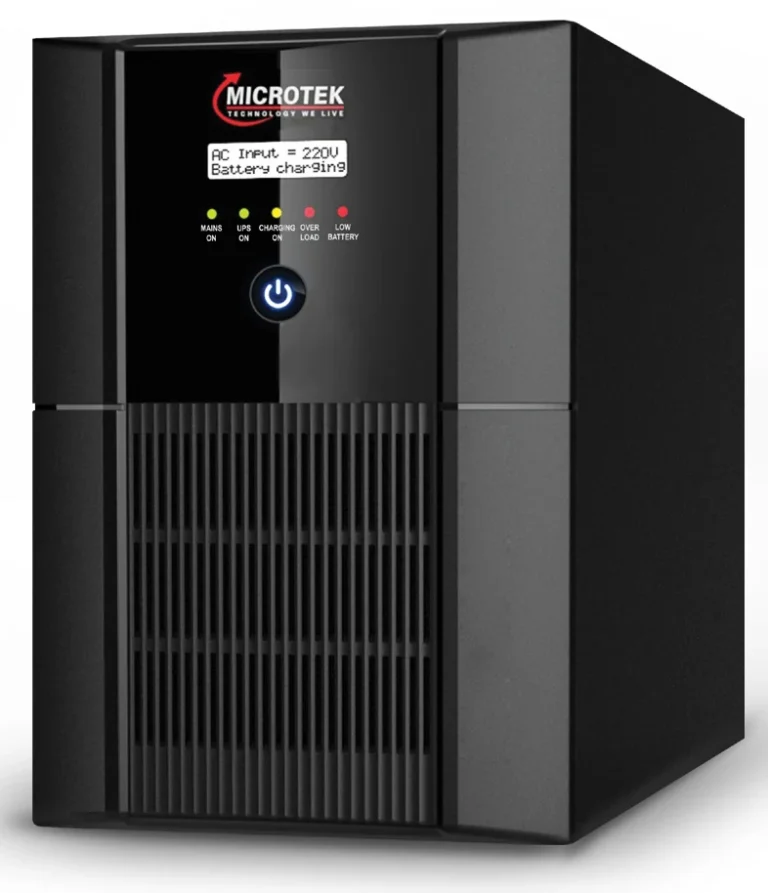
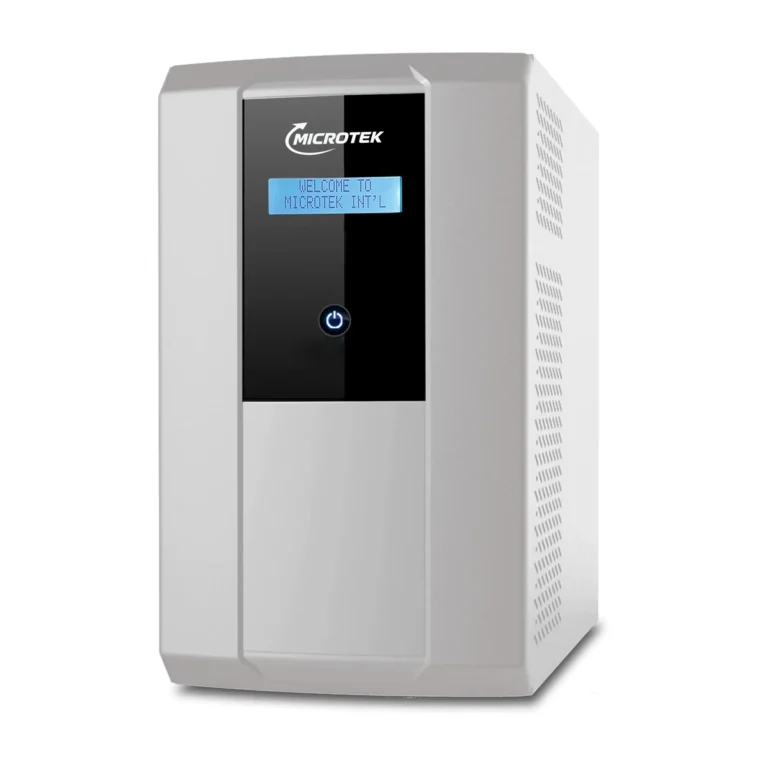
A home UPS is built for computers and electronics, with a shorter transfer time and cleaner output, usually in smaller VA ratings. A home inverter is built for household loads such as fans, lights and a refrigerator, with a larger battery bank. Many products now sit in between, so check the transfer time.
Pure sine wave matches grid power and works with all loads, quietly and efficiently. Quasi or modified sine wave is cheaper but can cause buzzing in fans, heating in motors and trouble with sensitive electronics. Square wave is obsolete. For modern homes, pure sine wave is recommended.
A combo pack sells the inverter with a matching battery, and often a trolley, as one package, so the battery voltage, capacity and charging current are matched. It simplifies buying and installation. Check the battery type and Ah rating included, as it decides how long the backup lasts for your load.
The shape of an inverter's output waveform decides whether fans hum, fridges run hot and computers stay up. Learn the three waveforms and which loads need…
6 min readBatteries, Inverters & UPSA step-by-step worked example showing how to estimate backup time from battery Ah, voltage, load and inverter efficiency, and why the answer is shorter than the…
6 min readBatteries, Inverters & UPSIn India the two words are often used for the same box, but they are built for different jobs. Learn the real difference in switch-over time,…
6 min read