In a refinery, paint shop, solvent store, pharma plant or coal handling area, an ordinary motor is a potential ignition source. Sparks at the terminals, a hot surface or an internal arc can ignite a flammable gas or dust cloud. A flameproof motor, marked Ex d, is built so that if an explosion happens inside the enclosure, it is contained and cooled before it can ignite the atmosphere outside. This guide explains what Ex d means in practice and how to specify one correctly.
What “flameproof” actually means
The protection concept is defined in IEC 60079-1 (Indian equivalents follow the IS/IEC 60079 series). The enclosure of an Ex d motor does not keep gas out. Gas can enter through the shaft gap and joints, and an internal ignition is expected as a possibility. What the design guarantees is that:
- The enclosure is strong enough to withstand the explosion pressure without damage.
- The machined joints, called flame paths, are long and narrow enough to cool the escaping hot gas below the ignition temperature of the surrounding atmosphere.
- The outer surface temperature stays below the ignition temperature of the gas in use.
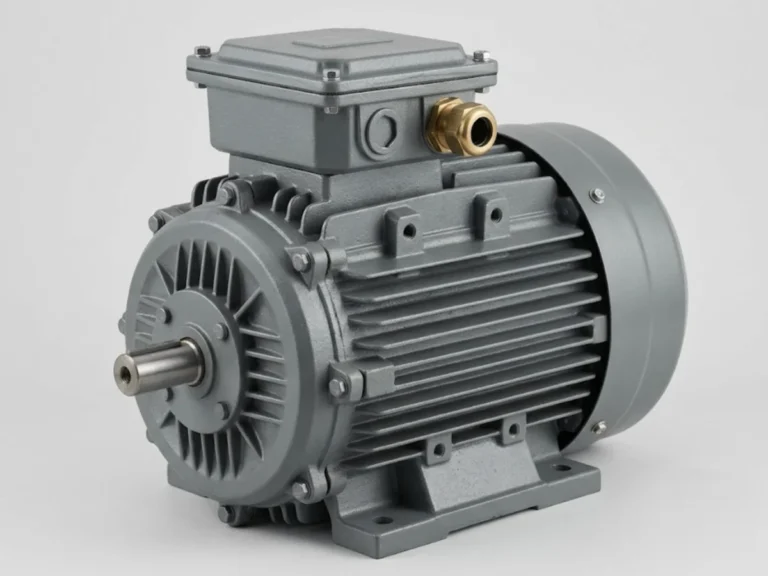
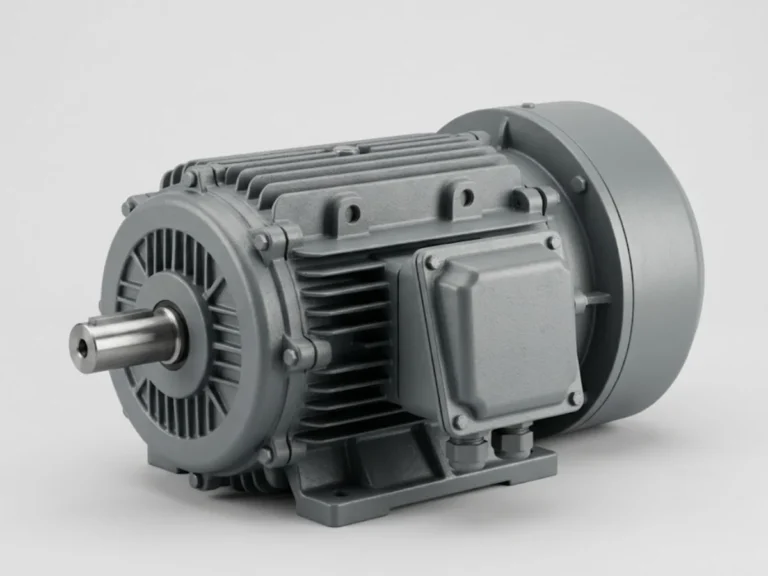
That is why flameproof motors are heavy cast iron or fabricated steel, with thick walls, wide machined flanges and bolts of specified grade. It is also why scratches, paint, or a missing bolt on a flame path can quietly defeat the protection.
Reading an Ex d marking
A typical marking looks like Ex db IIB T4 Gb. Each part tells you something.
- Ex d / Ex db: flameproof enclosure. The extra letter shows the equipment protection level.
- II: surface industry equipment (Group I is mining with firedamp).
- IIA, IIB or IIC: gas group. IIA includes propane and petrol vapour, IIB includes ethylene, and IIC includes hydrogen and acetylene. A motor certified for IIC is also acceptable for IIB and IIA, but not the other way round.
- T1 to T6: temperature class, the maximum surface temperature: T1 450 degrees C, T2 300, T3 200, T4 135, T5 100 and T6 85 degrees C. The class must be below the auto-ignition temperature of the gas.
- Gb: equipment protection level suitable for Zone 1 (and Zone 2).
Zones, gas groups and temperature class: how to choose
The plant’s hazardous area classification drawing is the starting point. It divides areas into zones:
| Zone | Meaning | Can Ex d motor be used? |
|---|---|---|
| Zone 0 | Explosive gas atmosphere present continuously or for long periods | No, not permitted for motors |
| Zone 1 | Likely to occur in normal operation | Yes, Ex d is a standard choice |
| Zone 2 | Not likely in normal operation, and brief if it occurs | Yes; non-sparking motors may also be allowed |
Then identify the gas or vapour and its group and auto-ignition temperature. As a quick example, a solvent store handling toluene or acetone vapours is typically IIA; a hydrogen-handling area is IIC and needs a motor certified to that group. The motor’s temperature class, T3 or T4 for most plants, must be lower than the lowest auto-ignition temperature in the area. If you do not have the area classification, ask your safety officer; it should not be guessed.
Dust atmospheres, such as grain, coal dust or aluminium powder, use a separate marking system (Ex t, or dust-ignition proof). A gas-group flameproof motor is not automatically suitable for dust, so confirm the certification.
Ex d versus other protection types
- Ex e (increased safety): prevents sparks and hot spots rather than containing an explosion. Common for Zone 1 cage motors where the terminal box is Ex e; usually lighter and cheaper but needs protection against stalled-rotor overheating.
- Ex nA (non-sparking): only for Zone 2. See our non-sparking motors.
- Ex p (pressurised): used for very large motors where an enclosure is purged with clean air.
Flameproof construction is preferred for smaller to mid-size motors up to a few hundred kW and for reliability in rough handling. You can see the available flameproof motors and, for hoists and process machinery that need holding, the flameproof motor with brake. The brake motors and AC motor categories show related types.
Installation and maintenance rules that protect the certification
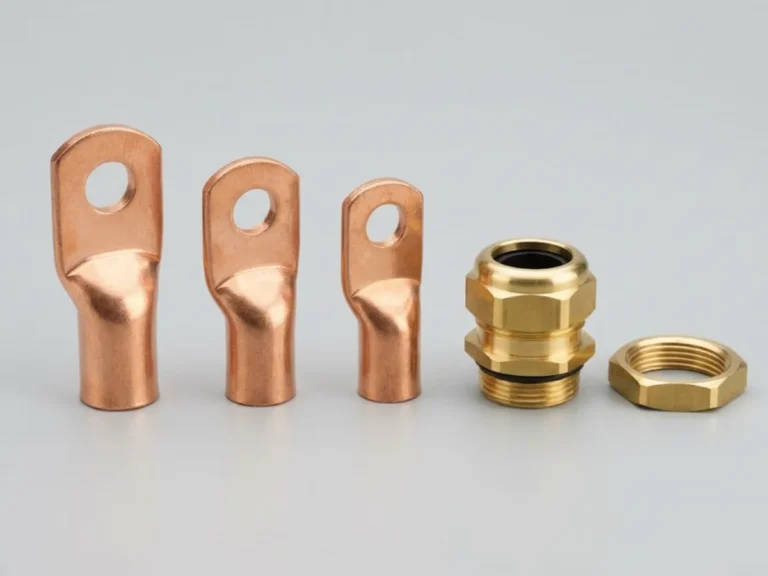
- Use certified glands and plugs. The cable entry must be a gland or stopping box certified for the same protection; unused entries need certified blanking plugs. See cable lugs and glands.
- Do not paint over or damage flame paths. A thin film of approved non-setting grease is acceptable on flanges; a coat of paint, hammer marks or corrosion is not.
- Use all the fasteners of the original grade and length.
- Do not open the motor energised. The classic rule is to isolate and wait the time stated on the label before opening.
- Rewinding and repair must be done by a workshop competent in flameproof repair, with the flame-path dimensions checked. A normal motor rewind can change clearances and void the certificate.
- Earthing and bonding must be maintained on both the frame and the terminal box.
- Protection: thermistors or overload protection tripping the motor before the surface temperature class is exceeded. When a VFD is used, the certificate usually has to state the motor is approved for inverter supply.
In India, hazardous area equipment in petroleum, chemical and mining installations is also subject to statutory approvals and inspection by the relevant authority. Confirm what certificate and test-house approval your site requires before you order.
What to check before you order
- Zone, gas group and temperature class from the area classification.
- Whether the motor will run on a VFD or soft starter, and any brake requirement.
- Required kW, poles, voltage, frame and mounting (see motor frame sizes and mounting).
- Certificates and test documents required by the site.
- Cable gland size and type for the terminal box.
This article is general guidance. Hazardous area selection is safety-critical, so confirm the zone, gas group and certificate requirements with a qualified engineer and the competent authority before purchase.
What to send us for a quotation: kW, poles and voltage, mounting and frame, the gas or vapour and zone classification, required gas group and temperature class, certificate requirements, whether a brake or VFD is used, and quantity. Use the request a quote page or contact us; we respond within 24 hours.
Frequently asked questions
What is the difference between a flameproof and an explosion-proof motor?
In India and under IEC practice the correct term is flameproof, marked Ex d. 'Explosion proof' is the older North American term and is often used loosely. Both describe an enclosure that withstands an internal explosion and prevents it igniting the outside atmosphere. Always specify by the Ex marking, gas group and temperature class, not by the informal name.
Can a flameproof motor be used in Zone 0?
No. Zone 0 has an explosive gas atmosphere present continuously or for long periods, and motors are not permitted there. Flameproof motors are used in Zone 1 and Zone 2. If a motor must work close to a Zone 0 vessel, install it outside the zone and use a shaft arrangement or remote drive, as advised by your safety engineer.
Can I run a flameproof motor on a VFD?
Often yes, but only if the motor certificate allows inverter supply. A VFD changes the heating and current waveform, so the temperature class has to be verified for that operation. Embedded thermistors with a trip relay are usually required. Ask for a motor certified for VFD use and share the drive details at quotation stage.
Can an ordinary workshop rewind a flameproof motor?
It is not advised. After a rewind the flame paths, shaft clearances and enclosure condition must remain within certified limits. A workshop without flameproof repair experience can alter clearances or damage joints, which cancels the certification. Use a repairer competent in flameproof equipment and request a repair record or retest where the site requires it.