Solar Inverters & PCUs
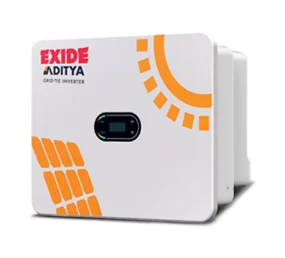
Exide Aditya Grid-Tie Solar Inverters - GTI
On-grid solar string inverters for residential, commercial and industrial rooftop plants; single phase 2-5 kW and three phase...
- BrandExide
- Product TypeSolar Inverters & PCUs
Exide
 Inverters & UPS in association with MARC Traders
Browse the full range. Filter by category or feature, compare specifications and add items to your quote list.
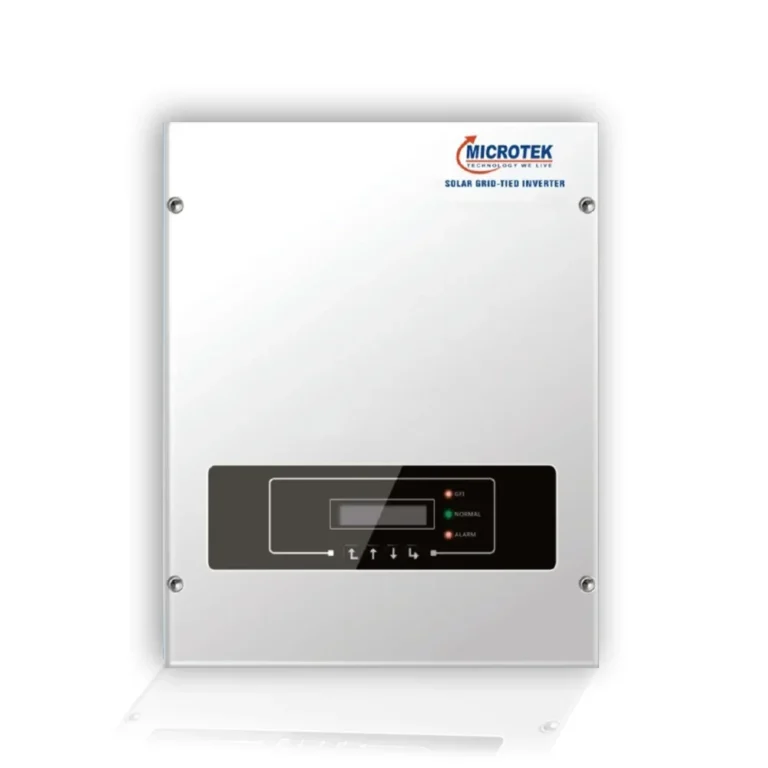
On-grid solar string inverters for residential, commercial and industrial rooftop plants; single phase 2-5 kW and three phase...
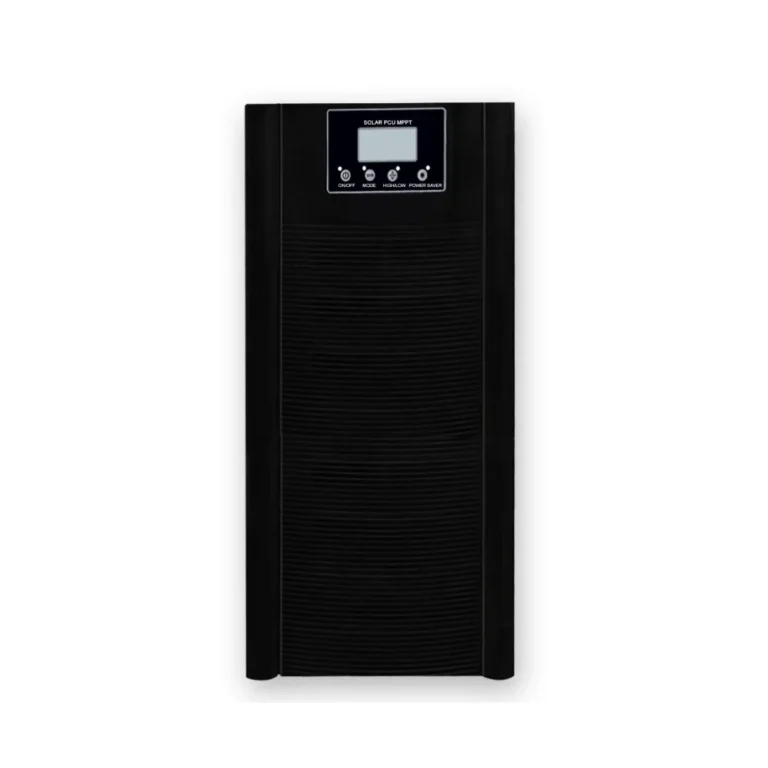
Off-grid MPPT solar power conditioning unit with priority power sharing so solar is used first and grid use...
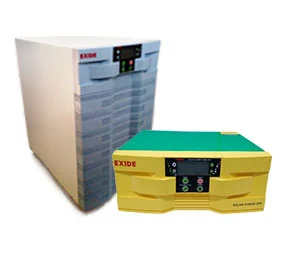
Pure sine wave solar hybrid UPS / PCU with built-in PWM solar charge controller and grid/solar/battery priority settings,...
Grid-tied solar inverters (1 kW and 5 kW) with MPPT, WiFi/RS485 monitoring.
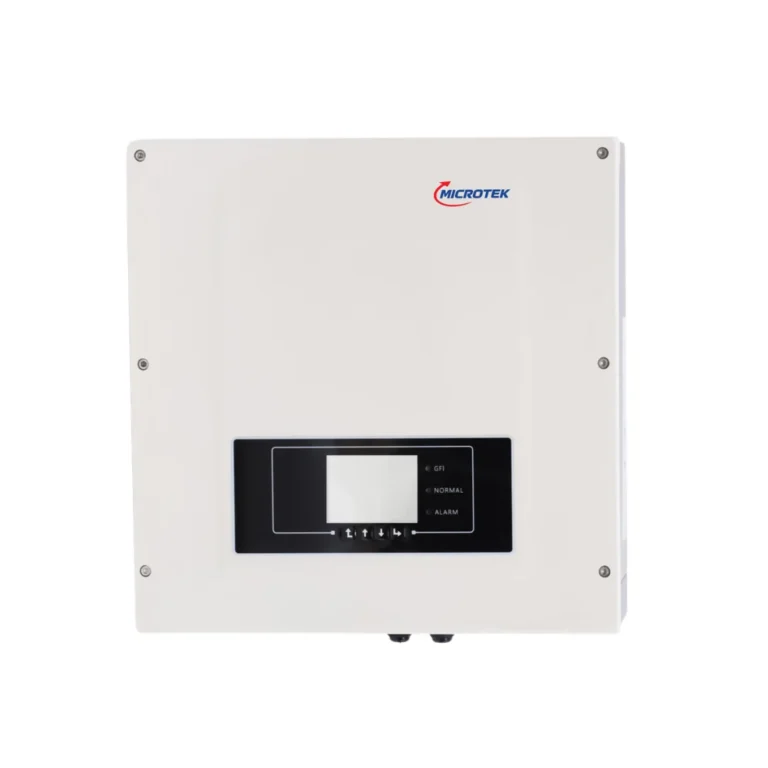
Three-phase grid-tied solar inverters from 8.8 kW to 250 kW.
MPPT-type solar power conditioning units from 3.5 kVA up to 10 kVA class (48 V to 120 V...
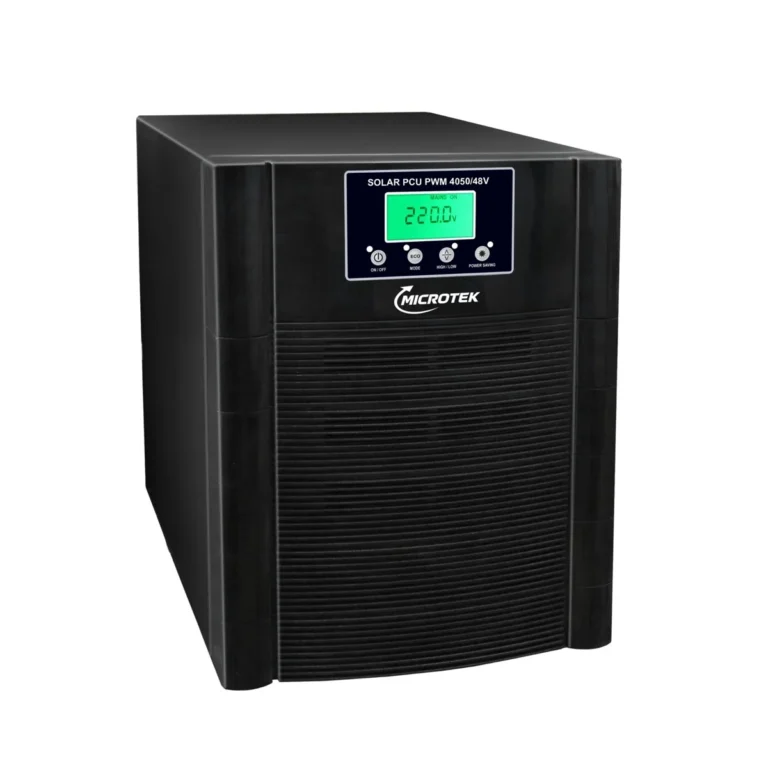
Higher-end PWM solar power conditioning units in 24 V and 48 V.
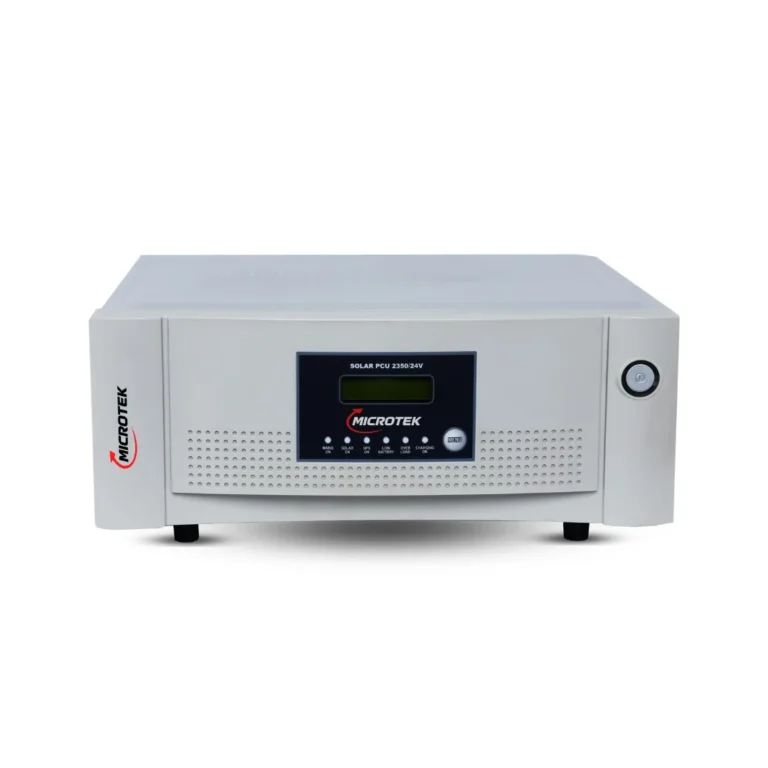
PWM solar PCUs in 12 V, 24 V and 48 V systems that combine inverter, charger and solar...
Pure-sine-wave solar PCUs with MPPT charge control that manage solar, battery and grid power for homes and small...
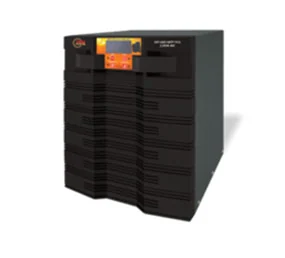
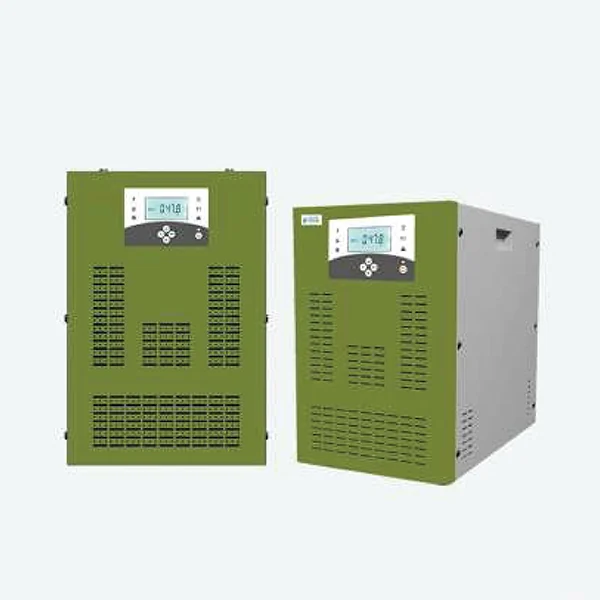
Off-grid single-phase solar power conditioning unit with MPPT charge controller and grid charger, 7.5 kVA at 96 V...
No products match your filters. or ask our engineers.
This category covers the power electronics of a solar system: grid-tie inverters, off-grid solar PCUs and hybrid inverters. The listing includes Microtek grid-tied inverters in single-phase and three-phase versions, Microtek PWM and MPPT PCUs, Uniline Solaron MPPT PCU, Redon hybrid solar inverters and Exide Aditya grid-tie and MPPT PCU models.
The type depends on whether the system has a grid and a battery. A grid-tie inverter feeds solar power into the building or the grid and has no battery, so it stops when the grid fails, as anti-islanding protection requires. A solar PCU is an off-grid inverter with a built-in solar charge controller that charges a battery bank. A hybrid inverter does both, using solar, battery and grid together, with a priority you set. PWM controllers are simpler and cheaper, while MPPT controllers harvest more energy by tracking the array's maximum power point, especially in cold or partly cloudy conditions.
Key checks:
Estimate the array and inverter size with the solar calculator. Batteries are under solar storage batteries, and the DC and AC distribution equipment is under solar products.
A grid-tie inverter works only with the grid and has no battery; it shuts down when the grid fails. An off-grid inverter or PCU runs from solar and batteries without the grid. A hybrid inverter works with solar, batteries and grid together, supplying backup during outages and optionally exporting surplus. Choose by whether you need battery backup.
A PWM controller connects the array to the battery directly through a switching stage, so the array operates at battery voltage and some power is lost. An MPPT controller converts the array voltage to the battery voltage while tracking the maximum power point, harvesting more energy, particularly with higher-voltage arrays or in cooler weather. MPPT costs more.
Anti-islanding protection forces it to shut down when the grid goes away, so that it does not feed power into a line that utility staff are working on. Without a battery and hybrid inverter, solar will not power the building during an outage. A hybrid inverter or a separate backup arrangement is needed.
Match the inverter's AC rating to the array size, usually in the range of the array kWp, and check that the string voltage stays inside the MPPT window at both cold and hot temperatures. A slightly higher DC array size relative to the inverter AC rating is common. The solar calculator gives a start, and the designer should confirm.
Usually yes. In India, grid-connected rooftop systems need approval and metering arrangements from the DISCOM, often under net metering or similar rules, which differ by state. The inverter must meet the grid code and safety requirements. Check your DISCOM's current procedure before ordering.
Net metering rules for rooftop solar differ by state and DISCOM; here is a checklist of what to confirm before you buy equipment or apply.
6 min readSolar & Energy EfficiencyEstimate solar system size from your electricity bill, daytime load, roof area and sanctioned load, with worked examples for a shop, factory and institution.
6 min readSolar & Energy EfficiencyOn-grid, off-grid and hybrid solar systems differ in batteries, backup and grid dependence; this guide shows which fits your site and what to check.
6 min read