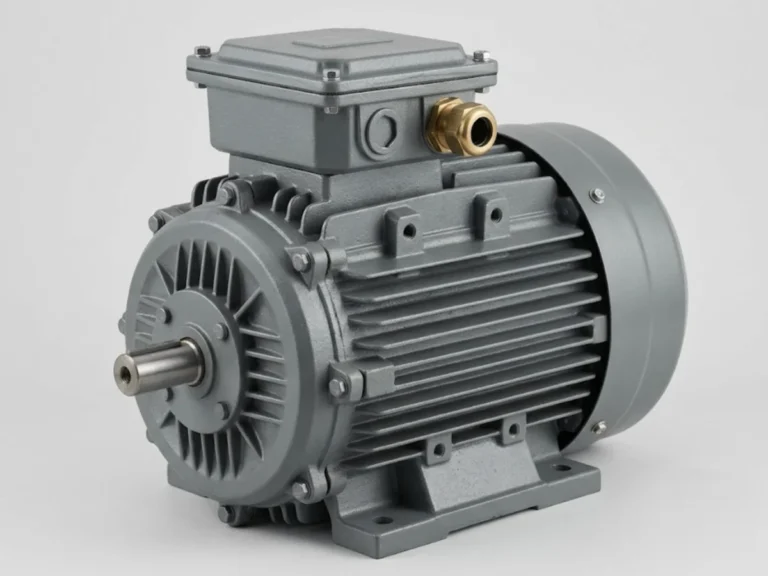
Overview
Also searched as: slip ring motor TEFC, totally enclosed slip ring motor, wound rotor motor TEFC, closed type slip ring motor, enclosed wound rotor induction motor
Selection notes
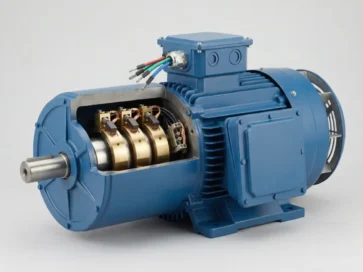
This is a slip-ring motor in a totally enclosed housing. Choose it when you need the high starting torque and low inrush of a wound-rotor design but the site is dusty or damp, so brush gear needs protection.
- Rotor starter: the external resistance determines starting torque and speed steps. A liquid or metallic resistor starter must be rated for the thermal duty and the inertia of the load.
- Enclosure and cooling: totally enclosed construction runs hotter than open types for the same frame, so check the rating in your ambient.
- Brush gear: brushes still need periodic inspection; confirm access arrangements.
- Alternatives: soft starters are another way to limit inrush for cage motors; see closed cage motors.
Typical mistakes are bypassing resistance too early, which causes high current and torque jerk, and leaving the slip-ring housing open to dust. On site, check insulation resistance of the rotor circuit and the brush lift or short-circuiting device if fitted. For cleaner locations the open variant, the wound open type motor, offers better cooling. Confirm duty with a qualified engineer.
Frequently asked questions
When should I pick a wound rotor motor over a squirrel-cage motor?
When the load has high inertia or needs high starting torque with limited current, for example hoists, mills and some conveyors, and when soft starters or VFDs are not preferred. Modern drives can reduce the need, so compare options.
What does the rotor resistance starter do?
It adds resistance to the rotor circuit at start, which raises starting torque and lowers current, then is gradually cut out as the motor accelerates. Setting the steps correctly affects smoothness and heating. Incorrect steps cause jerks or overheated resistors.
What is a wound close type motor?
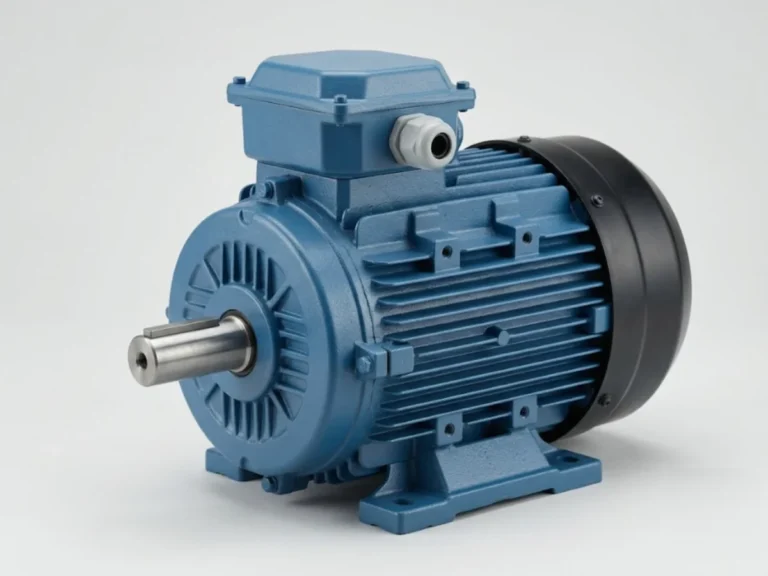
It is a slip ring, or wound rotor, induction motor in a totally enclosed fan cooled (TEFC) casing with IP55 protection. The closed enclosure keeps out dust and moisture, so it suits dusty or damp heavy-duty places.
What is the difference between a slip ring motor and a squirrel cage motor?
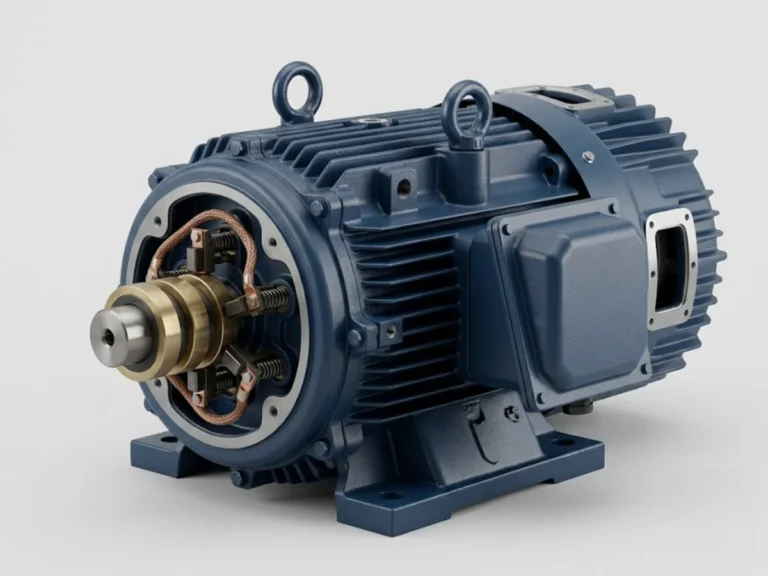
A slip ring motor has a wound rotor connected to external resistance through slip rings, giving high starting torque with low starting current and speed adjustment. A squirrel cage motor has a simple shorted rotor and is cheaper to maintain.
What is the difference between wound close type and wound open type motors?
Both have slip ring rotors. The close type is totally enclosed, IP55, for dusty or damp areas. The open type is drip-proof, IP23, and cools better but needs cleaner surroundings.
What details are needed for a wound close type motor quotation?
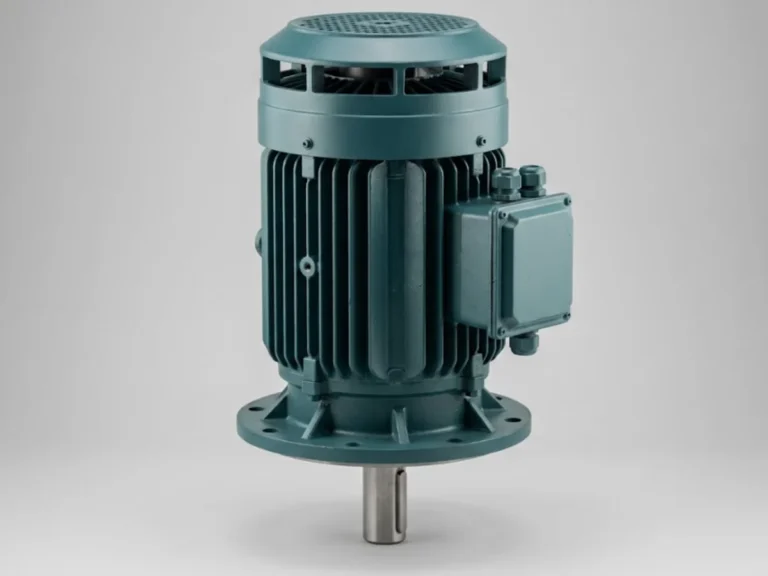
Send the power, voltage, speed or poles, rotor voltage and current, starting torque needed, mounting (B3, B5 or B35), duty (S1 or S3) and ambient conditions. Price depends on rating, make and quantity, so send details for a quotation, which SKE Bharat prepares within 24 hours.