Battery Chargers & DC Power Supplies
Battery Chargers & DC Power Supplies
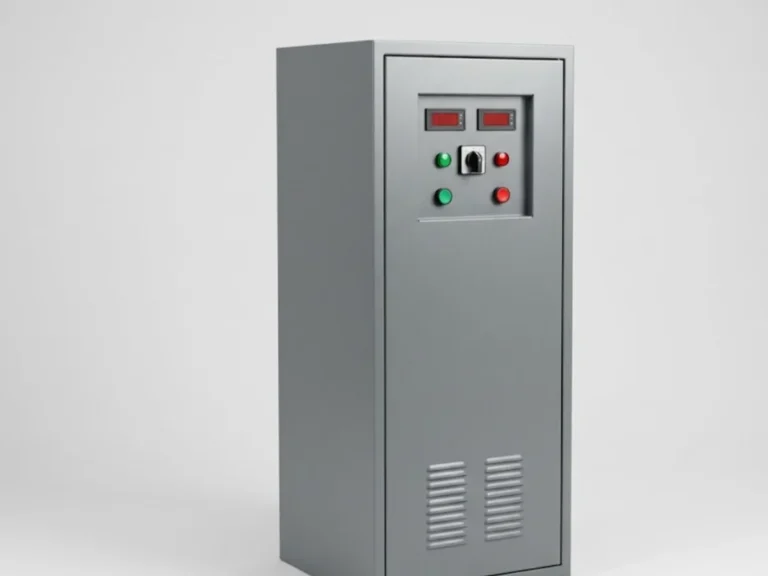
Float-and-boost chargers and DC power supplies for stationary battery banks.
On request- StandardIEC 62040-3 (UPS), IEC 61204 (power supplies)
 Batteries in association with MARC Traders
Download specification sheet (PDF)
Nickel-cadmium batteries for harsh environments and long, dependable standby service.
Every field is optional - tell us what you know and we will confirm the rest in the quotation.
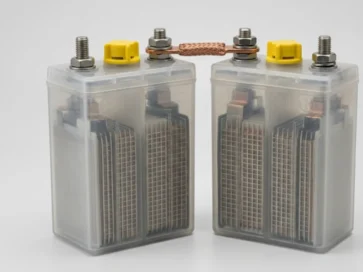
Representative image. The actual product, make and appearance depend on the supplier and your specification.
Also searched as: nickel cadmium battery, Ni-Cd cells for standby, NiCd battery bank, nickel cadmium battery for substation, Ni-Cd battery for switchgear DC supply
Ni-Cd cells are chosen for duty and environment, so the discharge rate class matters most. Vented pocket-plate cells are generally offered in low, medium and high discharge-rate versions: low-rate for long, steady discharges such as DC control supply, and high-rate for short, heavy loads such as engine starting or breaker closing. Match the type to the load profile in your duty cycle.
Common errors are sizing on Ah alone without temperature or ageing allowance, and mixing cell types on one rack. Ask for the manufacturer's capacity tables at the required discharge time. A matching battery charger and rack should be specified together.
Ratings, dimensions and certification are confirmed against your enquiry. Use Send an enquiry and our engineers will respond within 24 hours.
They indicate the discharge-rate design of the cell: low, medium or high. Low-rate cells suit long, light discharges and high-rate cells suit short, heavy currents. Pick the one that matches your duty cycle rather than choosing by capacity alone.
Ni-Cd tolerates wide temperature swings, deep discharges and long standby periods, and is often preferred where reliability matters more than first cost. VRLA is cheaper and needs less handling. The decision depends on temperature, expected life and maintenance capability at the site.
A Ni-Cd battery is a rechargeable battery that uses nickel and cadmium as its active materials. In industry it is used for heavy-duty standby and starting duty where harsh conditions and long, dependable service are needed.
Ni-Cd cells have a different chemistry and cell voltage and are suited to harsh environments and long standby service. Lead-acid cells are more common in UPS and inverter use. They need different charging settings, so the charger must match the battery type.
Select by the capacity in Ah, the discharge rate or duty cycle, the number of cells for the DC voltage needed, the operating temperature and the charging system. The cell maker's sizing data should be used for the final selection.
Send the DC voltage, Ah capacity, discharge duty, number of cells, site temperature and the charger available. Mention make or model preference if any. SKE Bharat will prepare a quotation from these details.
| Product Type | Ni-Cd battery |
|---|---|
| Standard | IEC 62259, IEC 60623 |
| Selection Basis | Cell capacity (Ah), discharge rate, number of cells, temperature, charging system |
| Typical Use | Heavy-duty standby and starting duty |
Float-and-boost chargers and DC power supplies for stationary battery banks.
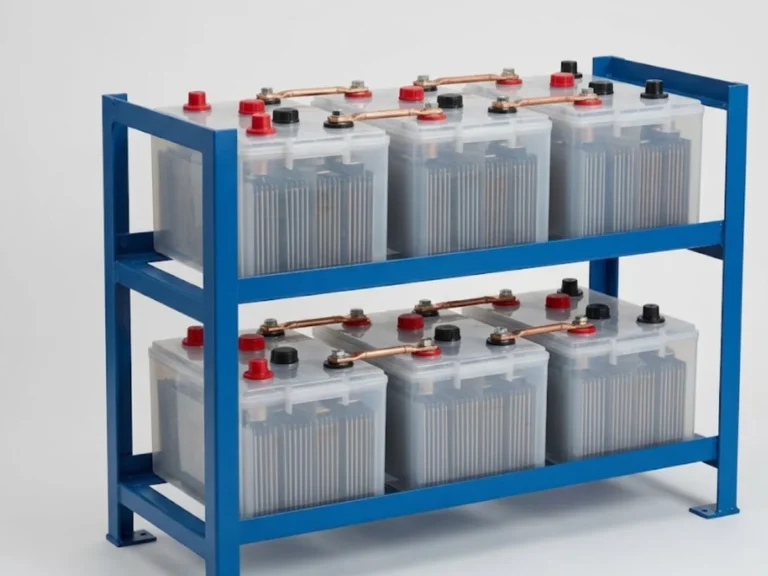
On requestRacks, stands and interconnecting cables for battery banks.
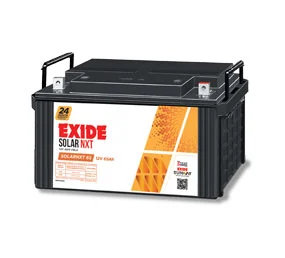
On requestSealed, maintenance-free AGM VRLA solar batteries (12 V monoblocs and 2 V cells) built for cyclic duty and...
On requestBattery life is mostly decided by habits, not luck. A checklist of the routine checks, charging settings and storage practice that keep inverter and industrial batteries…
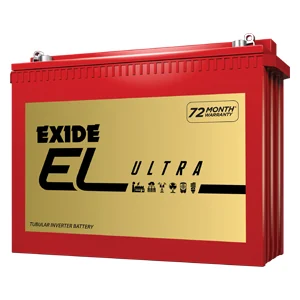
6 min readBatteries, Inverters & UPSHow tall tubular, flat plate and SMF batteries differ in construction, life, upkeep and cost, and which one fits your inverter and the power cuts you…
6 min read