DC Motors from SKE Bharat
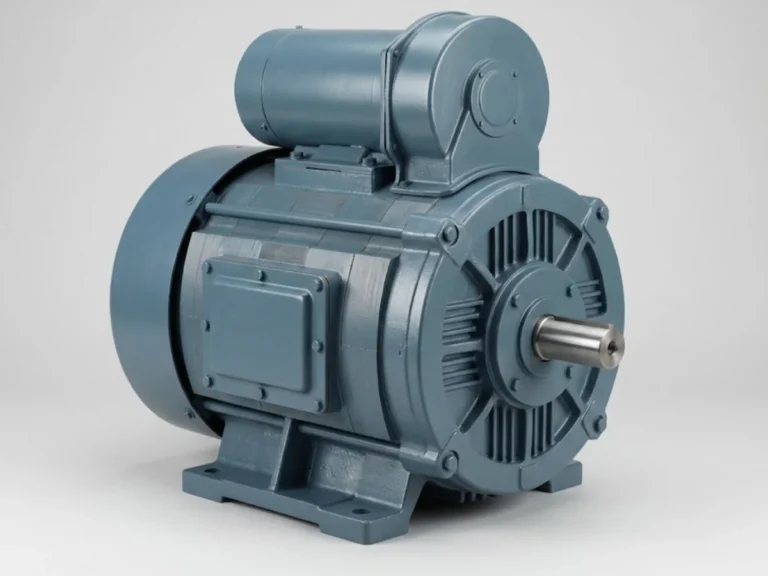
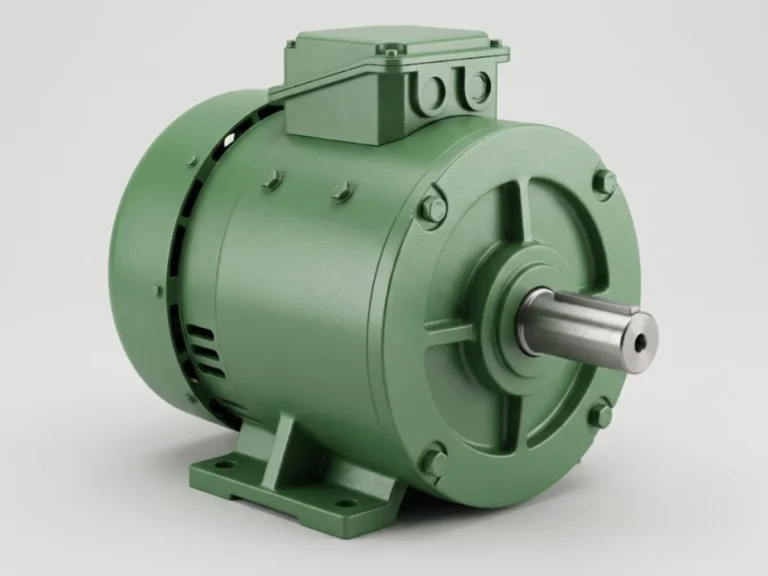
DC motors remain in service wherever smooth, high-torque speed control from standstill is needed or an existing DC drive line is being kept running. This category lists solid yoke DC motors, laminated yoke DC motors and mill duty DC motors, used on rolling mills, paper machines, winders, extruders, cranes and test rigs.
The yoke construction is the main difference. A solid yoke (cast or fabricated steel) is robust and economical, and works well with generator-fed or well-filtered supplies. A laminated yoke is built from stacked steel sheets, so it responds faster and tolerates the ripple current of a thyristor drive with less heating, which is why it is preferred on modern controlled-rectifier drives. Mill duty machines are built for heavy overload, frequent reversals and dirty, hot environments.
Points to check when selecting:
- Armature voltage and field voltage, and whether the supply is a thyristor converter (state the converter type and form factor).
- Rated speed, base speed and the maximum speed with field weakening.
- Duty cycle and overload torque, particularly peak current during acceleration or reversing.
- Cooling method, such as self-ventilated or forced ventilation by a separate blower, and the enclosure for dust or water.
- Whether tacho or encoder feedback is needed for the drive.
The motor is only half the system, so look at the matching DC drives as well, and compare with AC motors if you are weighing a retrofit to VFD control.
Frequently asked questions
What is the difference between solid yoke and laminated yoke DC motors?
A solid yoke is a single steel frame that carries the field flux, which is sturdy and cost-effective on smooth DC supplies. A laminated yoke is made of thin insulated steel sheets, which cuts eddy-current loss and lets the motor respond faster on the pulsating output of thyristor drives. For modern converter-fed duty, laminated construction is generally preferred.
Why are DC motors still used in rolling mills?
DC motors give high torque at low speed with straightforward speed control and quick reversal, which suits mill stands, and many plants already have DC drive lines and spares. Replacing the whole line with AC and VFD is possible but involves new drives, cabling and control, so it is decided case by case on cost and downtime.
How do I select a DC motor?
Give the armature and field voltage, kW, base and top speed, duty cycle and overload torque, cooling method, mounting and the drive type. Check that the converter current rating covers peak current, not only rated current. If you are replacing an existing machine, send its nameplate and frame details so the foundation and shaft match.
What maintenance does a DC motor need?
The commutator and carbon brushes wear with use, so brush length, spring pressure and commutator surface should be checked at regular intervals, along with bearing lubrication and cleanliness of the ventilation path. Dust from brushes should be kept out of the windings. Intervals depend on duty and environment, so follow the manufacturer's manual.
Can I replace a DC motor and drive with an AC motor and VFD?
Often yes. An AC induction motor with a vector-control VFD can match speed range and torque response on many applications and has no brush maintenance. The retrofit needs a motor with suitable frame and shaft, a drive rated for the load, and attention to control wiring and feedback. Have a qualified engineer review the load before changing over.