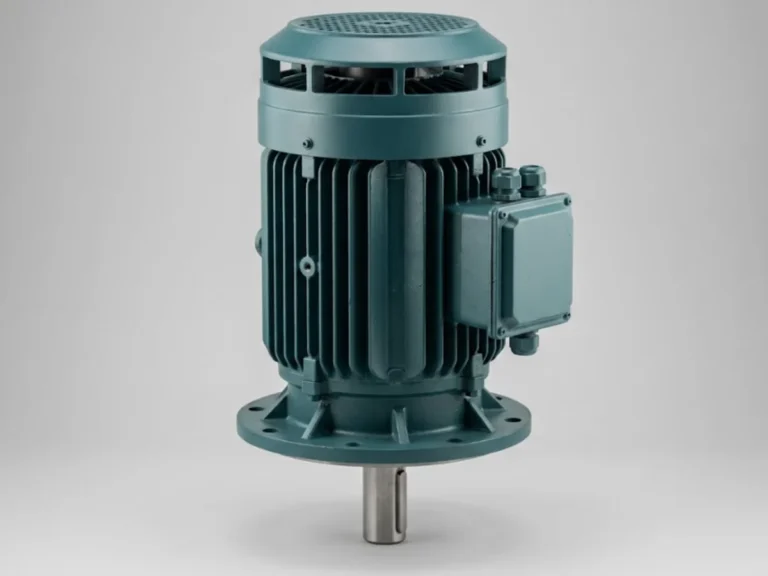
Overview
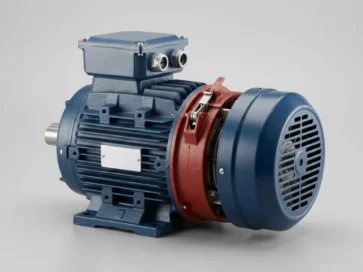
Also searched as: crane duty motor, EOT crane motor, hoist motor, brake motor, crane duty motor with brake
Selection notes
For cranes the motor is selected on duty class, not continuous kW. Specify the hoist or travel function, the duty (for example S3 or S4 with a cyclic duration factor), starts per hour and the load including the weight of the hook block.
- Brake torque: it should hold the rated load with a margin; hoist brakes usually need a higher margin than travel brakes. Confirm the figure with a qualified engineer.
- Brake wear: choose adjustable or easily replaceable linings and monitor the air gap.
- Speed control: for smoother lifting, pair with a variable frequency drive and check that the motor is suited to inverter feeding.
- Protection: thermal sensors are advisable for frequent starting.
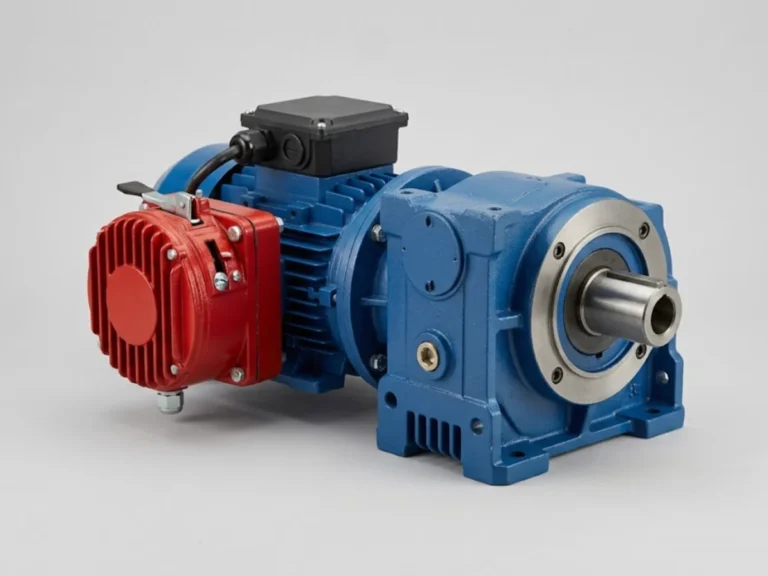
Common mistakes are using a general-purpose motor for hoisting, ignoring the heat produced by repeated starts, and using an incorrect brake release supply. For heavy-duty slip-ring service see crane duty slip-ring motors, and for geared output the gear motor with brake. Check brake release and lowering behaviour during commissioning.
Frequently asked questions
What does S3 duty mean for a crane motor?
S3 is intermittent periodic duty: running periods alternate with rest, and the cyclic duration factor shows the running share. Crane motors are rated for such duty, because frequent starting heats the windings more than steady running.
Why does the brake apply automatically when power fails?
Springs press the brake shoes or disc closed, and an electromagnet pulls them open when energised. Loss of power therefore sets the brake, holding the load. This is the normal fail-safe principle for hoists and travel drives.
What is a crane duty motor?
It is a motor built for the intermittent duty of cranes and hoists, with frequent starting, stopping and reversing, high starting torque and overload peaks. Duty is described by classes such as S3, S4 and S5, and a brake holds the load.
Which motor is used in cranes?
Crane duty motors with a squirrel cage or slip ring rotor are used. Slip ring motors give smooth control of heavy hoists, and cage motors with a variable frequency drive are also common.
What does the duty cycle of a crane motor mean?
The duty cycle is the proportion of each cycle during which the motor is on load, together with the number of starts per hour. A crane motor's rating is valid only for the duty class and duty cycle stated.
What should I send for a crane duty motor quotation?
Send the kW at the required duty cycle, starts per hour, speed, rotor type, brake voltage and type, mounting and the crane or hoist application. Quotations are prepared within 24 hours.