Pumps & Valves
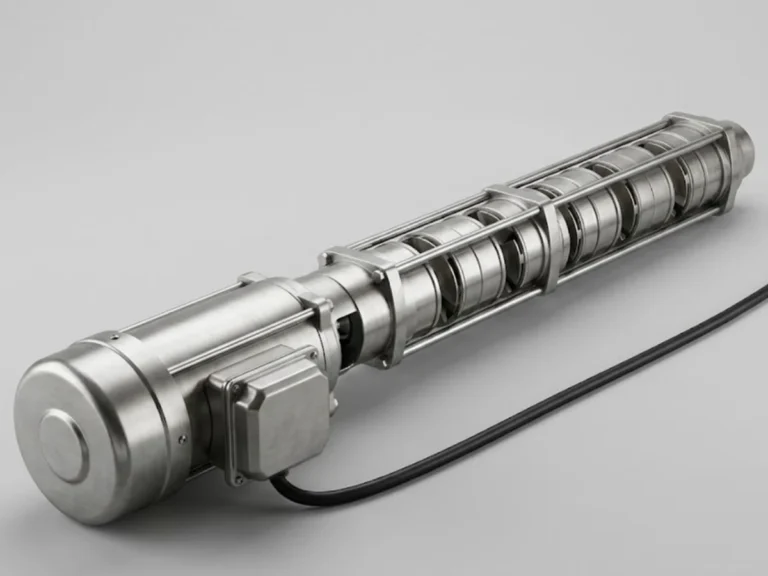
Borewell Submersible Pump
Multistage submersible pumps built to run inside narrow borewells for deep-water lifting.
On request- StandardIS 8034 (submersible pumpsets)
Submersible
Download specification sheet (PDF)
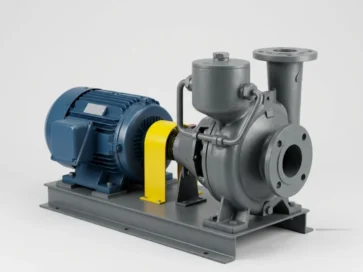
Self-priming pumps with a non-clog impeller for liquids containing solids and fibres.
Every field is optional - tell us what you know and we will confirm the rest in the quotation.
Representative image. The actual product, make and appearance depend on the supplier and your specification.
Also searched as: self priming non clog pump, non clog self priming sewage pump, self priming sewage pump, self priming trash pump, self priming pump for sludge
A self-priming pump can lift liquid from a level below it without being filled by hand each time, provided its casing holds enough liquid to re-prime. That makes it handy for tanker emptying, dewatering and sump duties, but only if the priming conditions are met.
The non-clog impeller passes fibres and solids, but check the maximum solid size against your liquid. If the pump can be installed below or within the liquid, a submersible such as the NS submersible sewage pump avoids priming altogether. For other solids duties see the SHL non-clog pump, and for the isolation and non-return valves.
Ratings, dimensions and certification are confirmed against your enquiry. Use Send an enquiry and our engineers will respond within 24 hours.
The most common causes are air leaks in the suction line, an empty casing at the first start, too high a suction lift or a worn seal. Check flanges and the foot or non-return arrangement first.
It depends on suction lift and on the volume of air in the suction line. A long or large-bore suction pipe takes longer to evacuate. A short, tight suction line is best. If the pump has been drained, check the casing is full before each start, as that reserve is what lets it prime.
Its non-clog impeller is meant for liquids with solids and fibres, but you should give the largest solid size and the nature of the liquid. We will confirm the model against your duty. Screen upstream for rags and large debris; the larger the solid, the more the passage size matters.
It is a centrifugal pump that can lift liquid from below its own level without being primed by hand each time, and its impeller has wide passages so solids and fibres pass without blocking. It is used for sewage, sludge and trade effluent.
A non-self-priming pump needs its suction line and casing filled with liquid before starting, or it should sit below the liquid level. A self-priming pump retains liquid in the casing and clears air itself, so it can restart on suction lift.
Common causes are an air leak in the suction line or a loose joint, too little liquid left in the casing for priming, a blocked suction or strainer, a worn impeller or seal, and wrong rotation. Check these before opening the pump.
Send the flow, total head, suction lift, nature of liquid and size of solids, delivery pipe size and power supply. SKE Bharat prepares the quotation within 24 hours of receiving these details and your make preference.
| Pump Type | Self-priming, non-clog |
|---|---|
| Standard | To specification |
| Typical Service | Sewage, sludge, trade effluent |
| Orientation | Horizontal |
| Drive | Electric motor (coupled or monoblock) |
Multistage submersible pumps built to run inside narrow borewells for deep-water lifting.
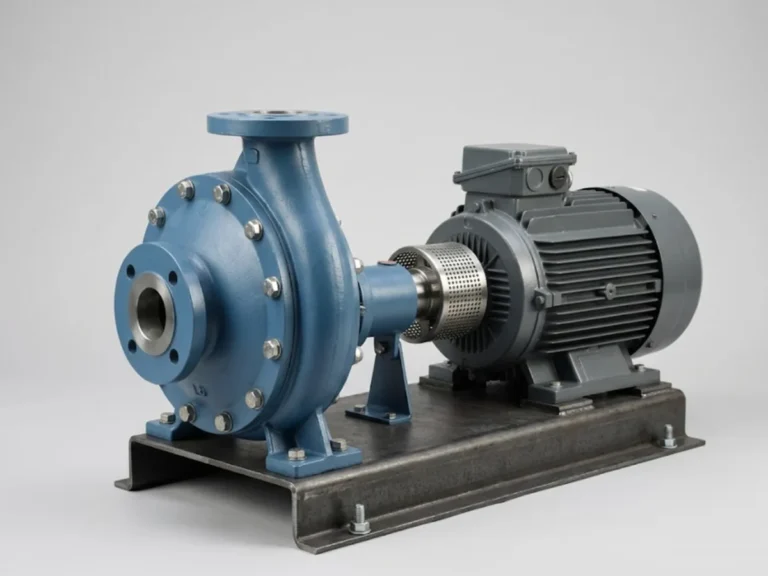
On requestGeneral-purpose centrifugal pumps for transferring clean water and light liquids in industry and buildings.
On requestPumps in chemical-resistant materials for transferring acids, alkalis, solvents and other aggressive liquids.
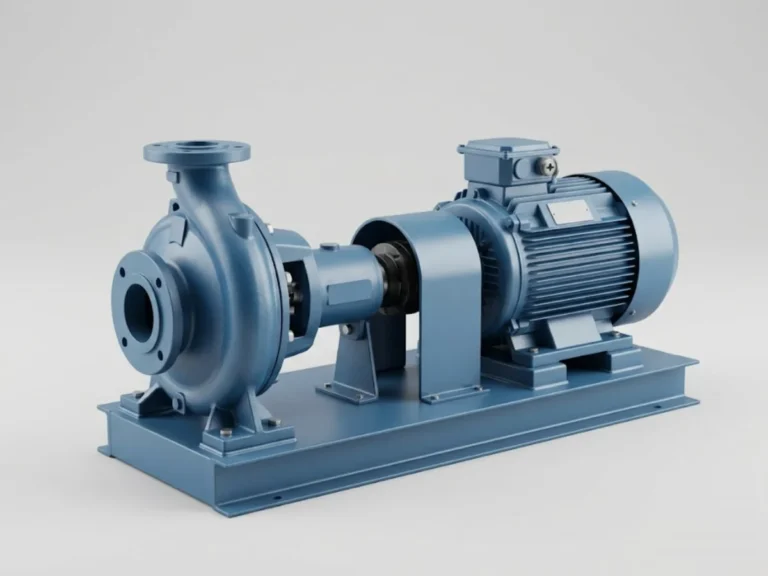
On requestEnd-suction centrifugal pumps of the CE series for water supply and process duties.
On requestHow gate, globe and non-return valves differ, where each belongs on a pump line, and how to choose size, rating and type to avoid water hammer…
7 min readPumps, Cables & Buying GuidesA practical method to select a centrifugal pump: define flow and total head, check NPSH, pick materials and seals, then size the motor.
7 min read