Sensors & Power Supplies
DIN-Rail Power Supplies (SMPS)
24 V DC and other DIN-rail switch-mode power supplies for control panels and automation.
On request- StandardIEC 61204-3, IEC 62368-1
Automation
Download specification sheet (PDF)
Sensors that detect presence, position and limits for machine and conveyor automation.
Every field is optional - tell us what you know and we will confirm the rest in the quotation.
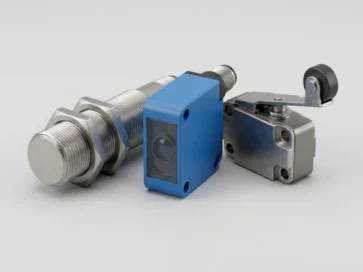
Representative image. The actual product, make and appearance depend on the supplier and your specification.
Also searched as: proximity sensor, inductive proximity switch, photoelectric sensor, limit switch, PNP NPN sensor, capacitive proximity sensor
Pick the sensing principle from the target. Inductive sensors detect metal only; capacitive sensors detect most materials including liquids and plastics; photoelectric sensors detect objects at longer range and come as through-beam, retro-reflective or diffuse types. Mechanical limit switches are robust and simple where physical contact is acceptable.
Mistakes include using diffuse photoelectric sensors on shiny or dark targets without testing, and routing sensor cables beside motor cables. Limit switches need a robust actuator and correct overtravel. See PLCs for the input side and remote I/O modules for distributed signals.
Ratings, dimensions and certification are confirmed against your enquiry. Use Send an enquiry and our engineers will respond within 24 hours.
A PNP sensor switches the positive supply to the load (sourcing), while an NPN sensor switches the negative side (sinking). The PLC input card must be compatible with the type; mixing them gives no signal even though the sensor LED may light.
Inductive sensors are rated with a steel target, and non-ferrous metals like aluminium or copper reduce the sensing distance. Use the correction factor in the datasheet, mount the sensor closer, or select a sensor with a factor-1 characteristic.
A proximity sensor detects the presence of an object without touching it. An inductive type detects metal objects, and a capacitive type can also detect other materials. It gives an output signal to a PLC or controller when the object is in range.
A proximity switch senses an object near it without contact. A photoelectric sensor uses light to detect objects, often at a longer distance. A limit switch is a mechanical switch operated by physical contact, used to detect position or travel limits.
They are the two types of transistor output on a sensor. A PNP output switches the positive supply to the load and an NPN output switches the negative side. The type must match the input of the PLC or controller.
Send the sensing type and distance, output type (PNP, NPN or relay), supply voltage, housing and thread size, IP rating, connection style and quantity. SKE Bharat will prepare a quotation from these details.
| Product Type | Sensor / limit switch |
|---|---|
| Standard | IEC 60947-5-2 (proximity), IEC 60947-5-1 (limit switches) |
| Selection Basis | Sensing type and range, output (PNP / NPN / relay), supply, housing and thread size, IP rating |
| Typical Use | Presence and position detection |
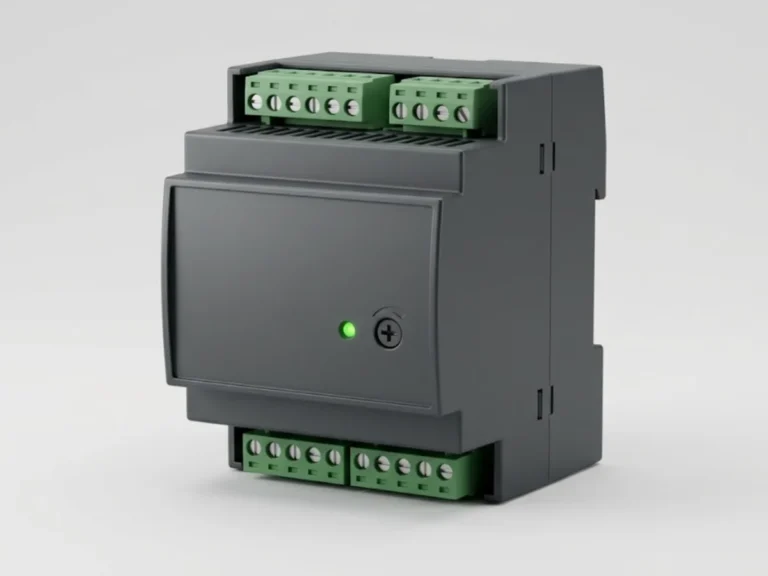
24 V DC and other DIN-rail switch-mode power supplies for control panels and automation.
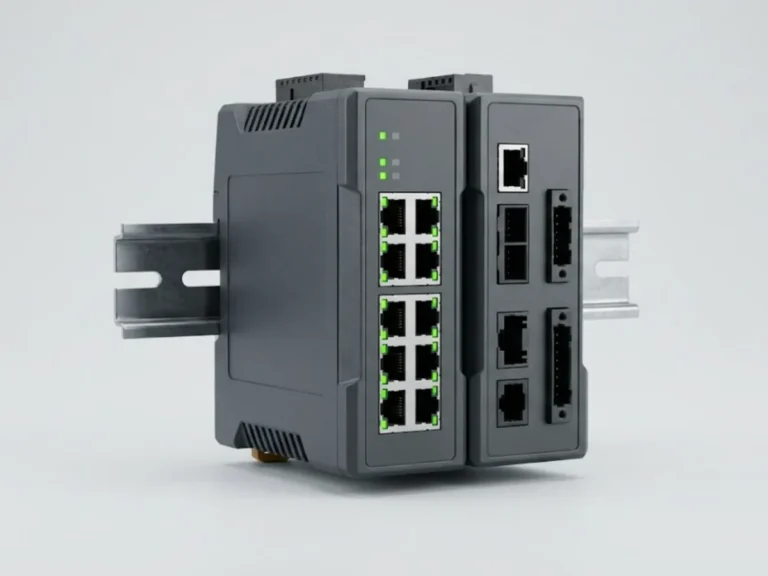
On requestIndustrial network switches and protocol gateways for plant communication.
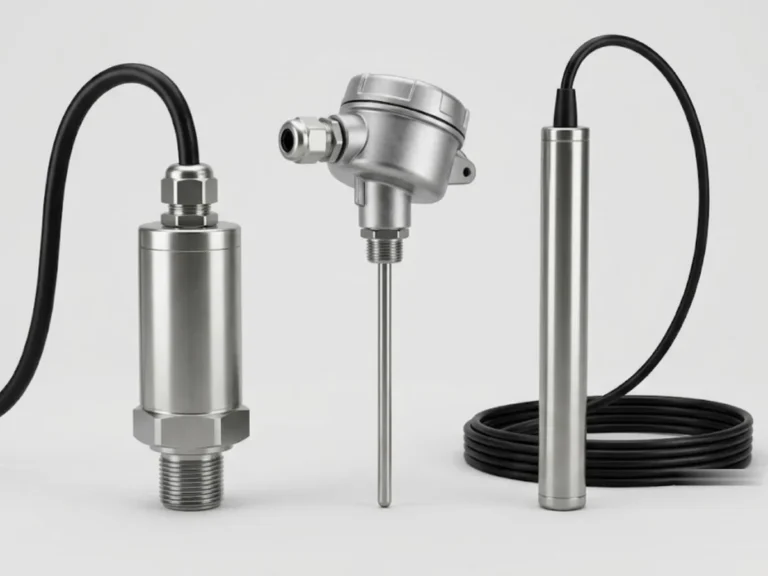
On requestField transmitters that convert process variables to 4-20 mA or digital signals.
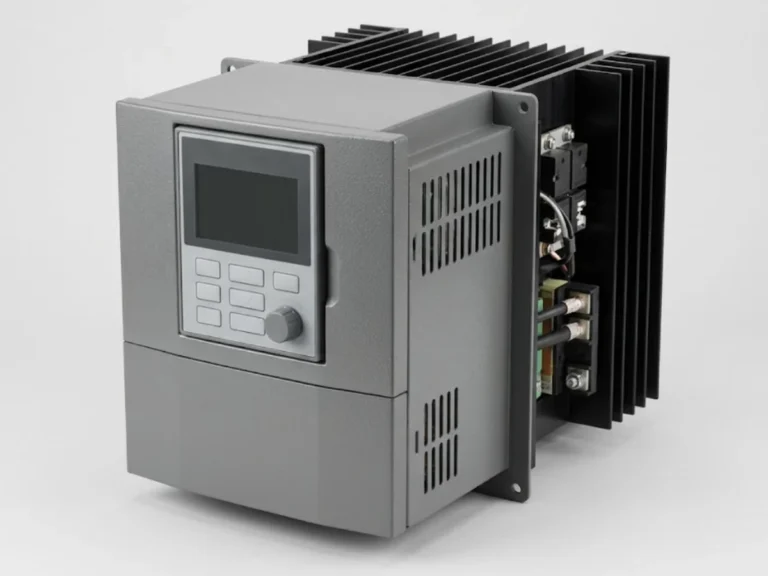
On requestThyristor DC drives for speed control of DC motors in rolling mills, cranes and process lines.
On request