Cable Lugs & Glands
Cable Lugs & Glands
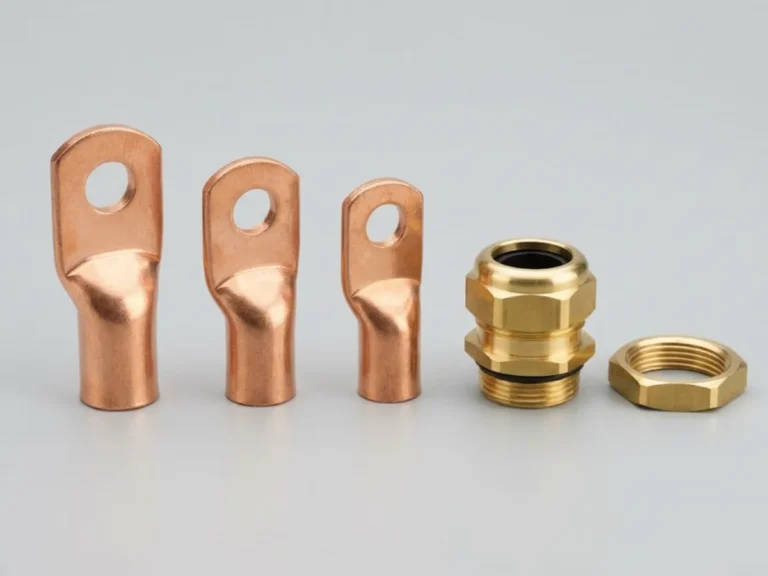
Crimp lugs and cable glands for terminating power and control cables.
On request- StandardIS 8309 (lugs), IEC 62444 (glands)
Download specification sheet (PDF)
Twisted-pair and triad cables with screening for low-level instrument signals and process control loops.
Every field is optional - tell us what you know and we will confirm the rest in the quotation.
Representative image. The actual product, make and appearance depend on the supplier and your specification.
Also searched as: instrument cable, screened twisted pair cable, instrumentation cable pair triad, overall screened instrumentation cable, analog signal cable, 4-20 mA signal cable
Pairs and triads carry analogue signals, thermocouple and RTD wiring, so choose by signal type and noise environment. Individually screened pairs prevent crosstalk between pairs; the overall screen protects the whole cable from external noise. Specify the number of pairs or triads and the conductor size, often 0.5 to 1.5 mm squared, in line with loop resistance limits.
Typical mistakes include earthing screens at both ends, running pairs beside power cables and using a multi-pair cable where signals of different types share pairs. Thermocouple signals need matching extension or compensating cable. See control cables for non-screened wiring and transmitters for the field devices.
Ratings, dimensions and certification are confirmed against your enquiry. Use Send an enquiry and our engineers will respond within 24 hours.
Normally at one end only, usually in the control room or marshalling cabinet, to avoid earth loop currents. The field end of the screen is insulated. Follow the project's earthing philosophy and confirm with your instrumentation engineer.
A pair has two twisted conductors for a two-wire signal such as a 4-20 mA loop. A triad has three twisted conductors for three-wire devices, such as some RTDs, where lead resistance compensation is needed. Select by the instrument connection.
An instrumentation cable carries low level signals between field instruments and a control system. It uses twisted pairs or triads, usually with a screen, to reduce electrical noise picked up from nearby power cables.
Instrumentation cable carries low level analog or digital signals and uses twisted, screened pairs to reduce interference. Control cable is a multicore cable for control and interlock wiring at higher voltage and current, and is usually not screened.
Choose the number of pairs or triads, conductor size, whether individual and overall screens are needed, and armoured or unarmoured construction. The signal type and the route near power cables decide the screening.
Send the number of pairs or triads, conductor size, screening needed, armour requirement, standard such as BS 5308 if required, length and make preference. Quotations are prepared from the details you send, so share your requirement and SKE Bharat will respond within 24 hours.
| Cable Type | Instrumentation cable, screened pairs/triads |
|---|---|
| Standard | BS 5308 / IEC 60227 (typical) |
| Conductor | Copper |
| Insulation | PVC |
| Voltage Grade | Up to 300 / 500 V |
| Typical Use | Analog and digital instrument signals |
Crimp lugs and cable glands for terminating power and control cables.
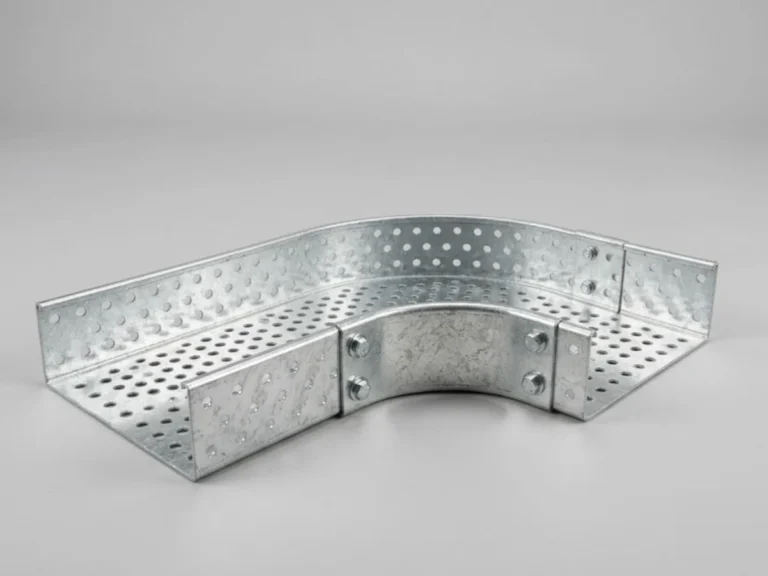
On requestPerforated, ladder and wire-mesh trays with bends, tees and supports.
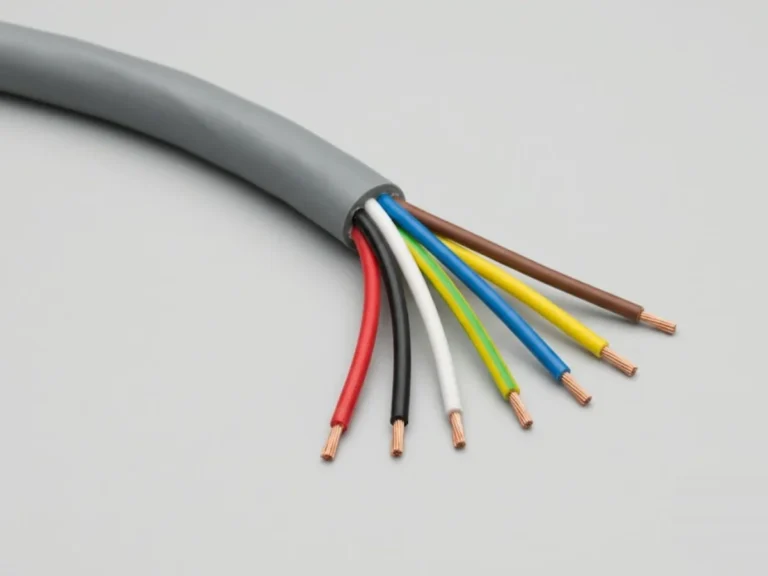
On requestMulticore cables for control, interlock and signal wiring between panels, drives and field devices.
On requestEarthing electrodes, strips, earth pits and accessories for earthing and lightning protection.
On request