Instrument Transformers & Protection
Current Transformers (CT)
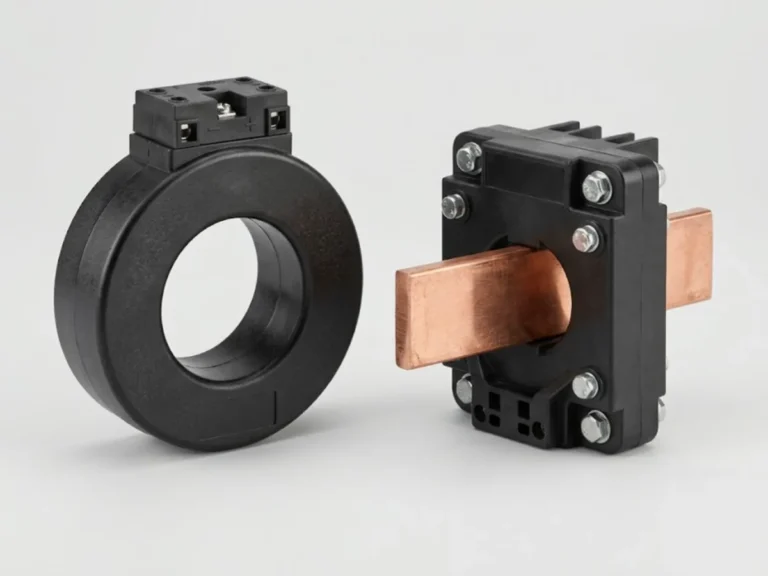
Current transformers that step down primary current for meters and protection relays.
On request- StandardIS 2705 / IEC 61869-2
Circuit Protection
Download specification sheet (PDF)
Voltage transformers for metering and protection at medium and high voltage.
Every field is optional - tell us what you know and we will confirm the rest in the quotation.
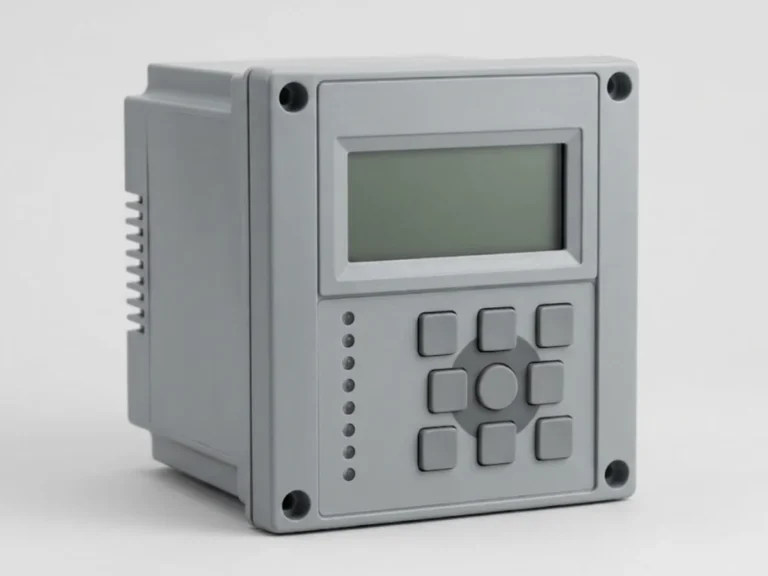
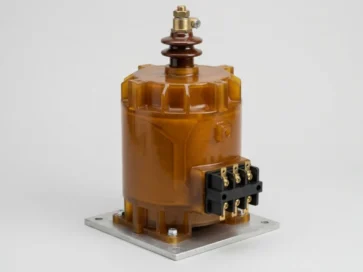
Representative image. The actual product, make and appearance depend on the supplier and your specification.
Also searched as: PT, potential transformer, voltage transformer, VT for metering, medium voltage potential transformer, instrument potential transformer
Write the ratio exactly, for example 11000/110 V, and state the connection: single-phase units used as a star group, two units in open-delta, or a three-phase unit. The primary voltage must be at least the system maximum voltage, and the insulation level must match the switchgear it sits in.
Never short-circuit the secondary of a voltage transformer, as that draws a large fault current and damages the unit. Check polarity marks and earth the secondary neutral as required. For the metering that connects to it, see multifunction meters and the instrument transformers and protection range.
Ratings, dimensions and certification are confirmed against your enquiry. Use Send an enquiry and our engineers will respond within 24 hours.
It depends on the meter and who bills. Revenue-grade energy metering usually asks for a tighter class than panel indication. Confirm the requirement with your DISCOM or consultant, then state the class, burden and ratio together when requesting a quotation.
A voltage transformer behaves like a small power transformer, with a low-impedance winding that draws a very high current if its secondary is shorted. That can overheat the winding and burn it out. Protect secondaries with proper fuses or MCBs as the scheme requires.
A potential transformer, also called a voltage transformer, steps down a high system voltage to a lower, standard secondary voltage. This is then fed to meters and protection relays, which isolates them from the high voltage circuit.
A CT is connected in series and reduces the line current to a small secondary value. A PT is connected across the supply and reduces the voltage. Metering and protection circuits normally use both together.
Choose the primary and secondary voltage, the burden in VA, the accuracy class, single or three-phase construction, and indoor or outdoor mounting. The burden should cover all meters and relays connected to the secondary.
Send the primary and secondary voltage ratio, burden in VA, accuracy class, single or three-phase, indoor or outdoor use and quantity. SKE Bharat will prepare a quotation from these details.
| Product Type | Voltage transformer |
|---|---|
| Standard | IS 3156 / IEC 61869-3 |
| Selection Basis | Primary / secondary voltage, burden (VA), accuracy class, single or three-phase, indoor / outdoor |
| Typical Use | Voltage signals for metering and protection |
Current transformers that step down primary current for meters and protection relays.
On requestNumerical and electromechanical protection relays for feeders, motors, generators and transformers.
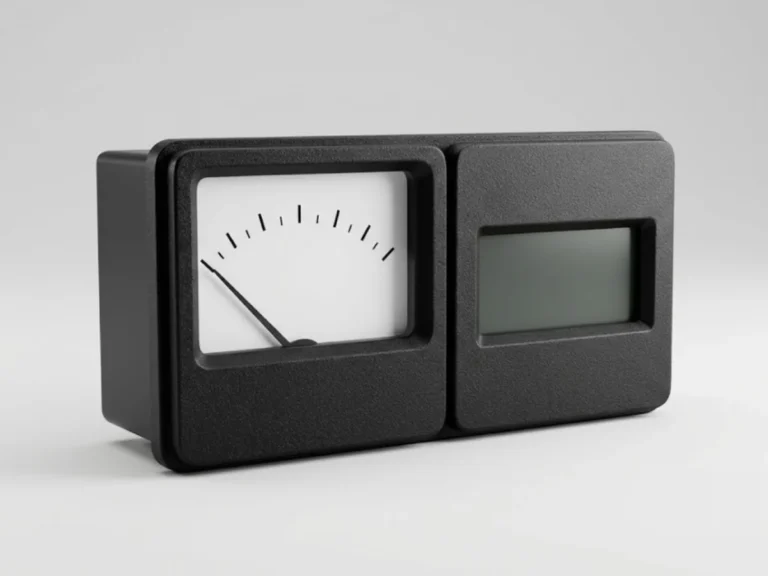
On requestAmmeters, voltmeters, frequency meters and other panel indicators.
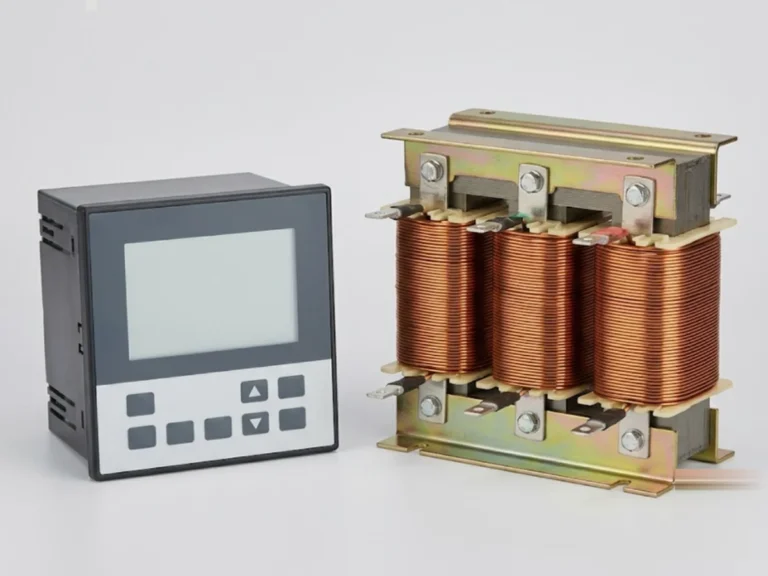
On requestAutomatic power-factor controllers and detuning reactors used in APFC panels.
On requestA practical overview of overcurrent, earth fault and motor protection relays: what each function does, how IDMT curves and grading work, and what to specify when…
7 min readTransformers & Power QualityPlain-language guide to current and potential transformers: ratio, burden, accuracy class for metering and protection, 1 A versus 5 A secondaries, and the mistakes that cause…
7 min read