Overview
Also searched as: cast resin transformer, cast resin dry type transformer, epoxy resin transformer, resin encapsulated transformer
Selection notes
Cast resin transformers are chosen for safety and for harsh air, so the environment and fire class lead the specification, ahead of price. List the kVA, voltages, vector group, tap range and the room conditions.
- Environmental and fire classes: IEC 60076-11 describes climatic (C) and environmental (E) classes plus fire behaviour (F). Ask which class the unit is built to for your site, such as humid, coastal or polluted.
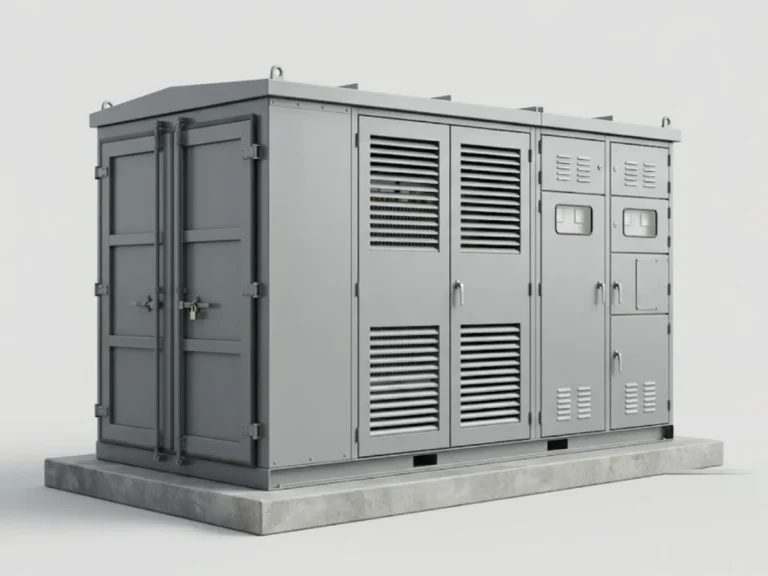
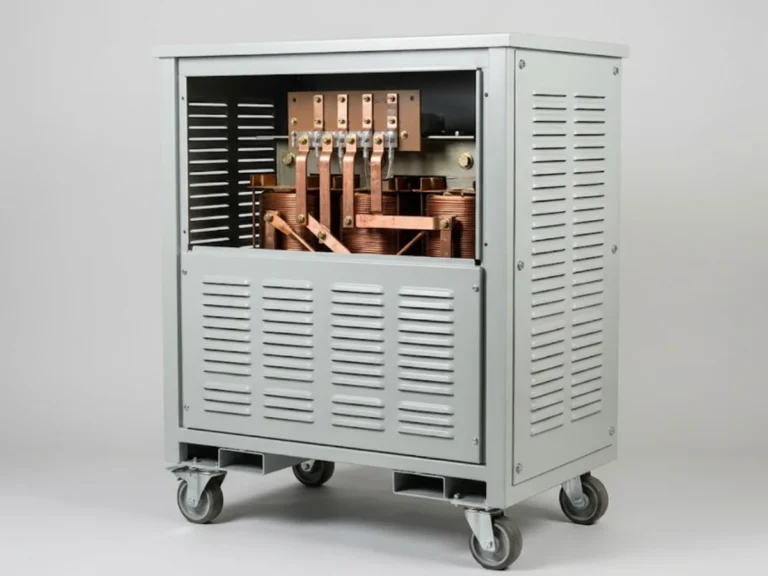
- Enclosure and cooling: natural air cooling is common, with fans to raise short-term rating; check how the enclosure affects the rating.
- Protection: winding temperature sensors should trip or alarm; ask about the relay.
- Lightning and switching surges: if fed by a vacuum breaker, discuss surge protection for the winding.
A frequent mistake is placing it in a closed room with poor airflow. Also keep clearances from walls for cooling and for safety. Compare with VPI transformers when the site is clean and dry, and check the upstream switchgear panels for suitable protection. Confirm ratings with the maker.
Frequently asked questions
How is a cast resin transformer different from an oil-filled one?
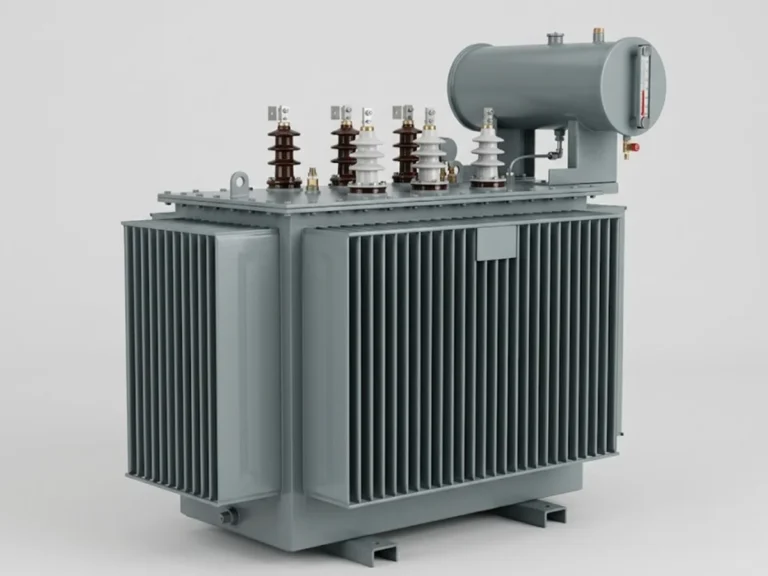
Windings are encapsulated in epoxy resin and cooled by air, so there is no oil to leak or burn. That suits buildings, hospitals and metros where fire safety matters. Oil-filled units generally cost less at large ratings and suit outdoor use.
What do climatic, environmental and fire classes mean?
IEC 60076-11 sets test classes for how a dry transformer performs in temperature changes and humidity or pollution, and how it behaves in fire. Higher classes suit tougher sites. Ask for the class you need rather than assuming the standard one.
What is a cast resin transformer?
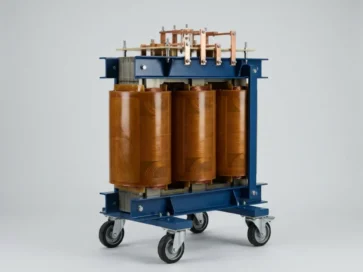
A cast resin transformer is an air-cooled dry type transformer whose windings are encapsulated in epoxy resin. It uses no oil, so it suits indoor locations that are humid or dusty or where fire safety is important.
What is the difference between a cast resin and an oil type transformer?
An oil type transformer uses insulating oil, which needs oil handling and fire precautions. A cast resin transformer has no oil and lowers fire risk, so it is commonly installed indoors close to the load.
What are the advantages and limits of a cast resin transformer?
Advantages are no oil, low fire risk and low maintenance. It needs adequate ventilation and winding temperature monitoring, and oil type units are generally used for the higher voltage and larger ratings.
How is a cast resin transformer maintained?
Keep it clean and dust free, check that ventilation is clear, tighten connections, check temperature sensors and protection settings, and do periodic insulation resistance tests, at intervals recommended by the maker. Switch off and isolate the transformer before any cleaning or inspection work.