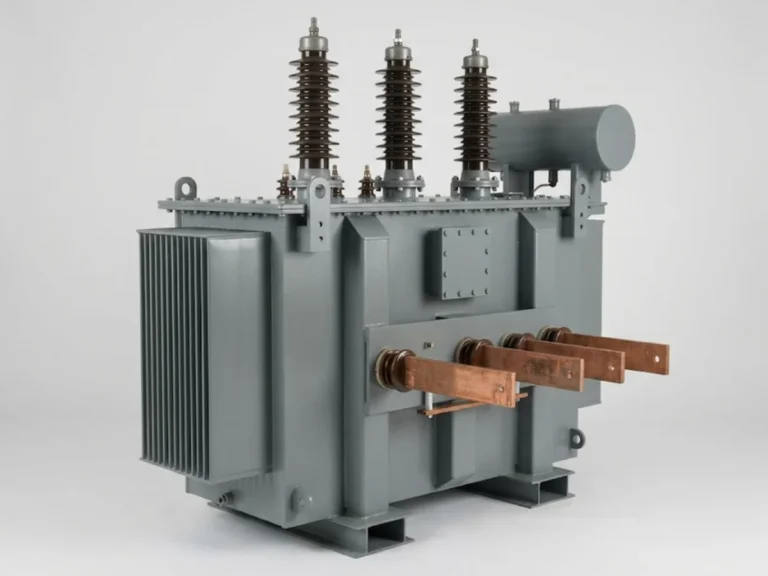
Overview
Also searched as: air cooled transformer, dry type distribution transformer, oil free transformer, dry transformer, dry type power transformer
Selection notes
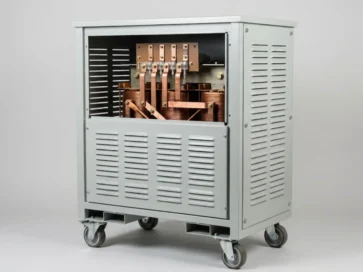
Dry type means air-cooled windings with no oil, which suits indoor sites where fire risk and spill control matter. Choose by kVA, voltage ratio, vector group and tapping, then by cooling and enclosure.
- Construction: dry units are made as VPI or cast resin; see VPI transformers and resin cast transformers for the difference.
- Cooling: natural air (AN) suits steady load; forced air (AF) raises short-term capacity but needs fan supply and monitoring.
- Temperature protection: winding sensors and a temperature relay protect against overheating and should give both an alarm and a trip signal in critical areas.
- Harmonics: data centres and drive-heavy plants may need a transformer designed for non-linear loads.
Mistakes include squeezing the unit into a room without airflow, forgetting noise considerations in occupied buildings, and failing to check cable entry. Give enough clearance for inspection and heat. Compare with an oil immersed transformer if the unit is outdoors or very large. A qualified engineer should confirm ratings and room design.
Frequently asked questions
Is a dry type transformer better than an oil-filled one?
Not universally. Dry types reduce fire risk and avoid oil handling, so they suit buildings and indoor substations. Oil-filled units are often more economical at large ratings and outdoors. The best choice depends on location, rating and safety rules.
How do I size a dry type transformer for a data centre?
Total the real load, add margin for growth, and consider harmonic content from power supplies and UPS. Ask for a unit designed for non-linear loads if harmonics are significant. Provide load details so the capacity and cooling can be checked.
What is a dry type transformer?
A dry type transformer has air-cooled windings and uses no oil. Because there is no oil to burn or leak, it lowers fire risk and is chosen for indoor locations such as commercial buildings, hospitals and plants.
What is the difference between a dry type and an oil immersed transformer?
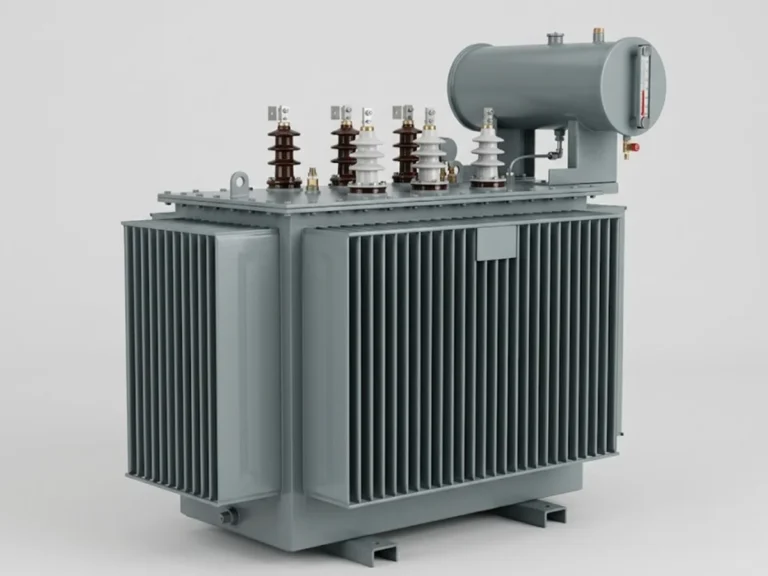
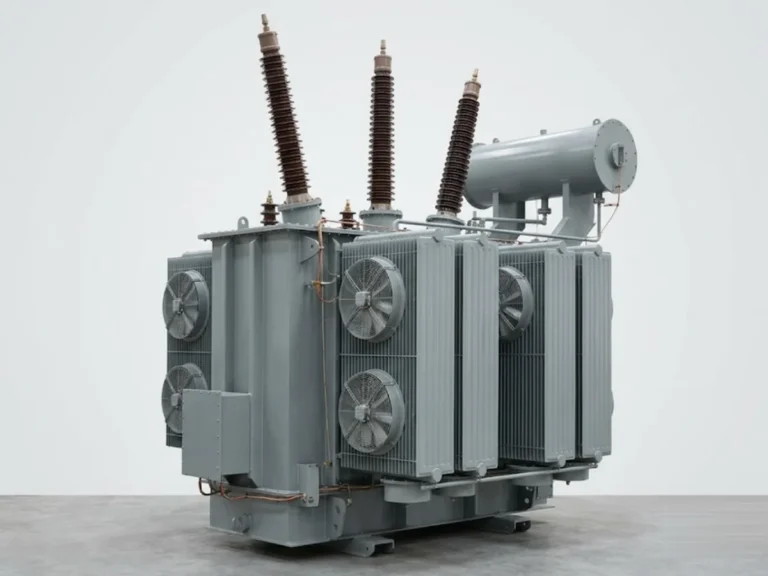
An oil immersed transformer uses insulating oil for cooling and insulation, so it needs oil handling and fire precautions and is usually installed outdoors. A dry type uses air, is preferred indoors for fire safety, and has no oil to maintain.
What is the difference between a dry type and a cast resin transformer?
Cast resin is a kind of dry type transformer in which the windings are encapsulated in epoxy resin. Other dry types have windings insulated with varnish and open to air. Cast resin is preferred where moisture or dust is present.
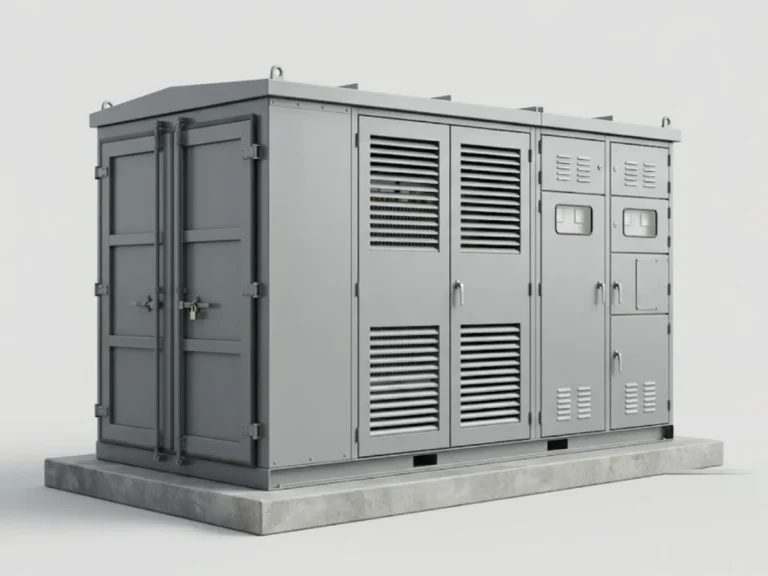
Can a dry type transformer be used outdoors?
Dry type transformers are normally installed indoors. Outdoor use needs a suitable enclosure with an adequate protection degree and proper ventilation, so state the location when you send your enquiry.