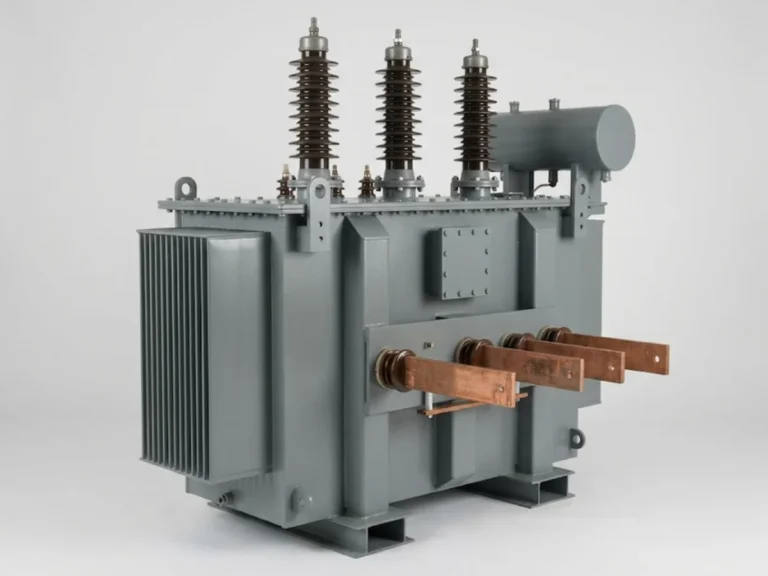
Overview
Also searched as: extra high voltage transformer, EHV power transformer, 132 kV transformer, 220 kV power transformer, transmission substation transformer
Selection notes
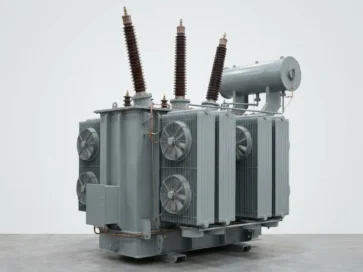
EHV transformers are one-off engineered items, so the specification is usually driven by a system study and utility requirements. Define the voltage ratio, MVA, impedance, vector group, tapping range and whether it is a generator step-up or transmission unit.
- Cooling stages: multi-stage oil and air cooling raises capacity as load increases; the rating at each stage must be stated.
- Insulation levels: lightning impulse and switching impulse levels follow the system voltage and surge protection scheme.
- OLTC and regulation: the tapping range should match expected grid voltage variation.
- Testing: agree which tests are required and the witnessing arrangements in the order.
Mistakes include late changes in impedance after protection and switchgear ratings are fixed, ignoring transport dimensions and weight on roads and bridges, and a foundation and oil pit not matched to the final design. Auxiliary requirements like cooler control cubicles and marshalling boxes should be detailed early. Compare with the smaller power transformer class if your voltage is lower. All design decisions should be confirmed with a qualified engineer and the utility.
Frequently asked questions
What decides the impedance of an EHV transformer?
System studies set it, balancing fault current limits, voltage regulation and parallel operation needs. A higher value reduces fault current but increases voltage drop. It must be agreed with the utility and protection designers before manufacture.
When should EHV transformer details be fixed?
Details such as ratings, impedance, accessories and tests should be frozen before the order is placed, because changes later disturb design and production. Also plan transport route, foundation and oil handling well ahead; our team can discuss typical documentation needs.
What is an EHV transformer?
An EHV transformer is an extra-high-voltage power transformer used in transmission substations and large generating stations. Here it means oil-immersed power transformers at 132 kV and above, normally with on-load tap changers and forced cooling options.
What is the difference between HV and EHV?
HV and EHV are voltage classes. EHV covers the higher transmission voltages, in this range 132 kV and above, while HV is the lower class used for primary distribution. Exact limits vary slightly between standards and utilities.
How is a power transformer different from a distribution transformer?
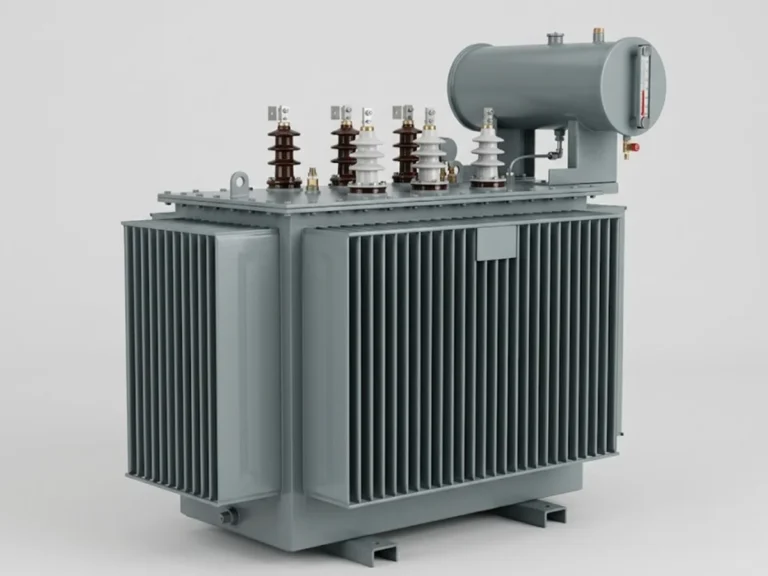
A power transformer works at higher voltages in transmission networks and generating stations and runs near full load. A distribution transformer steps voltage down for end users and runs with variable load. EHV transformers belong to the power transformer group.
What details are needed for an EHV transformer quotation?
Send the MVA rating, voltage ratio, vector group, cooling type (ONAN, ONAF or OFAF), tap changer range, impedance, standard and site conditions. Price depends on rating, make and quantity, so send details for a quotation, which SKE Bharat prepares within 24 hours.