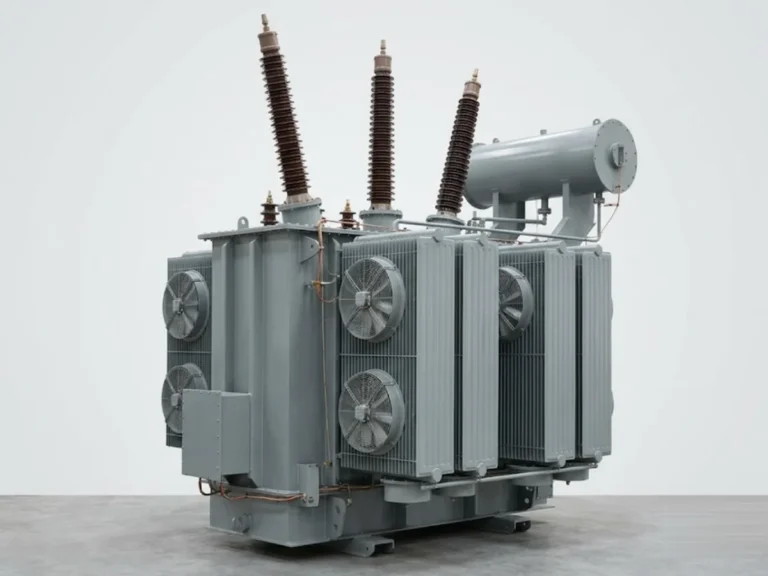
Overview
Also searched as: oil filled transformer, oil cooled transformer, ONAN transformer, mineral oil transformer, hermetically sealed transformer
Selection notes
Oil-immersed transformers suit outdoor and large-rating applications, and selection is about construction type, cooling and fittings. Begin with kVA, voltages, vector group, impedance and tap range, plus the site's ambient and altitude.
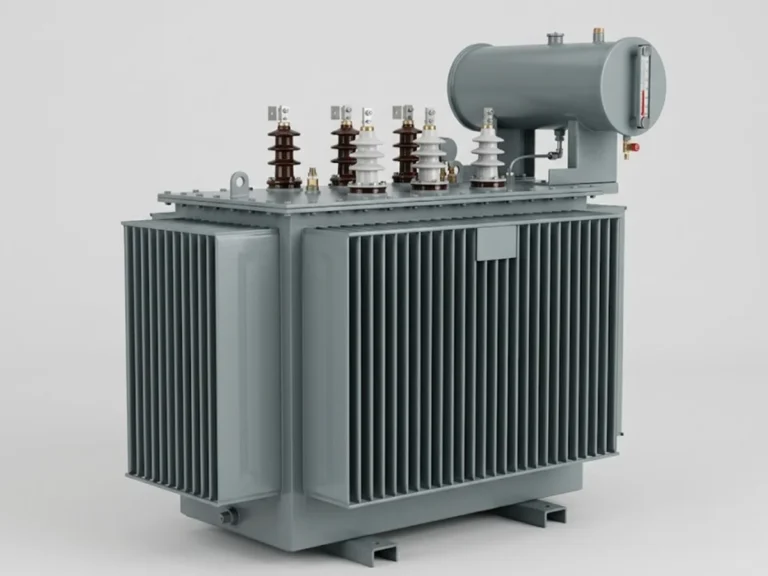
- Breathing arrangement: a conservator type allows oil expansion through a breather, while a hermetically sealed unit has no air contact and needs less oil maintenance.
- Insulating oil: mineral oil is conventional; alternative fluids may suit fire-sensitive sites. State your preference.
- Protection: Buchholz relay, oil temperature indicator (OTI) and winding temperature indicator (WTI) are the usual fittings; larger sizes add pressure relief.
- Losses: low-loss designs reduce running cost over the life of the unit.
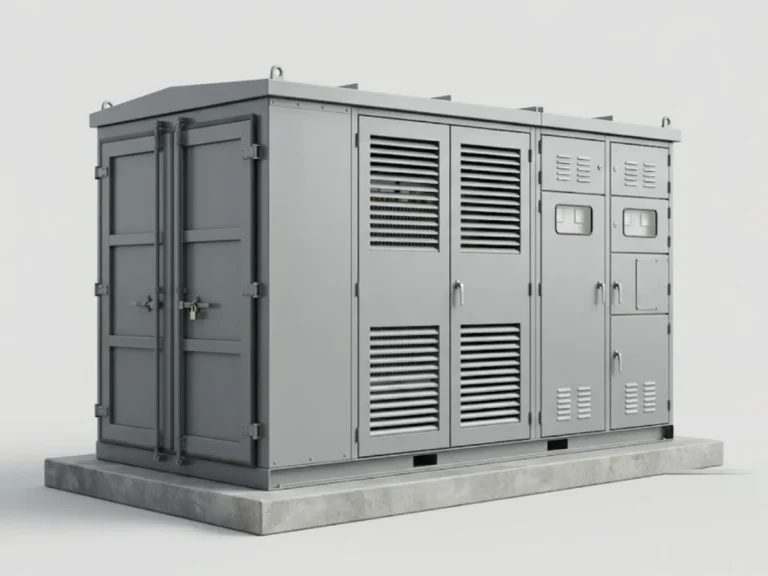
Mistakes include forgetting oil containment and a fire barrier, and installing in an area without airflow. On site, check oil level, silica gel colour and bushing condition at regular intervals. For utility-style step-down duty, see distribution transformers; for the larger substation class see power transformers. A qualified engineer should confirm the specification.
Frequently asked questions
Should I choose a conservator or hermetically sealed transformer?
Conservator units allow oil to expand through a breather and are common at larger ratings, but need breather upkeep. Sealed units avoid air contact and need less routine maintenance, and are common in smaller ratings. The choice depends on rating and site practice.
What does Buchholz protection do?
A Buchholz relay sits in the pipe between tank and conservator and detects gas collection or a sudden oil surge caused by internal faults. It gives an alarm for slow gas build-up and a trip for severe faults, so it is the usual protection on conservator transformers.
What is an oil immersed transformer and how does it work?
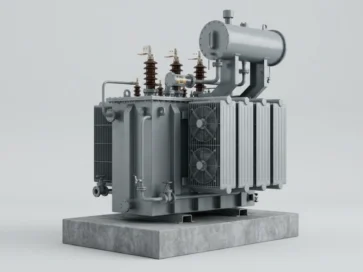
In an oil immersed transformer the core and windings sit in a tank of insulating oil. The oil insulates the windings and carries heat to the tank walls and radiators, where it is released to the air, in the natural cooling method called ONAN.
What are the main parts of an oil immersed transformer?
Depending on rating and design, the main parts are the core and windings, tank, radiators, bushings, tap changer, conservator, breather, oil level gauge and protective devices such as a Buchholz relay or temperature indicators.
What is a hermetically sealed oil immersed transformer?
It has a completely sealed tank with no conservator. Changes in oil volume with temperature are absorbed by flexible corrugated tank walls, so the oil has little contact with outside air.
What is the difference between an oil immersed and a dry type transformer?
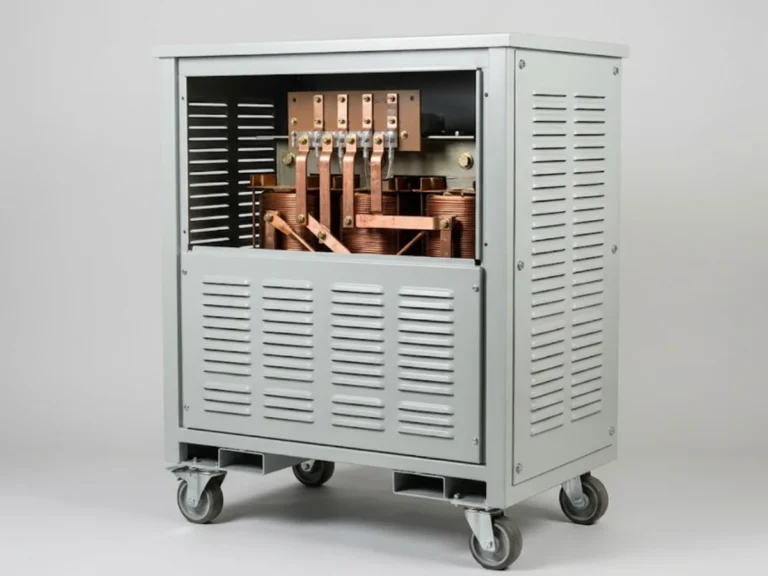
Oil immersed units use oil for insulation and cooling and need oil handling and fire precautions, while dry type units use air and no oil. Dry type is preferred indoors for fire safety, and oil immersed is common for outdoor and larger ratings.